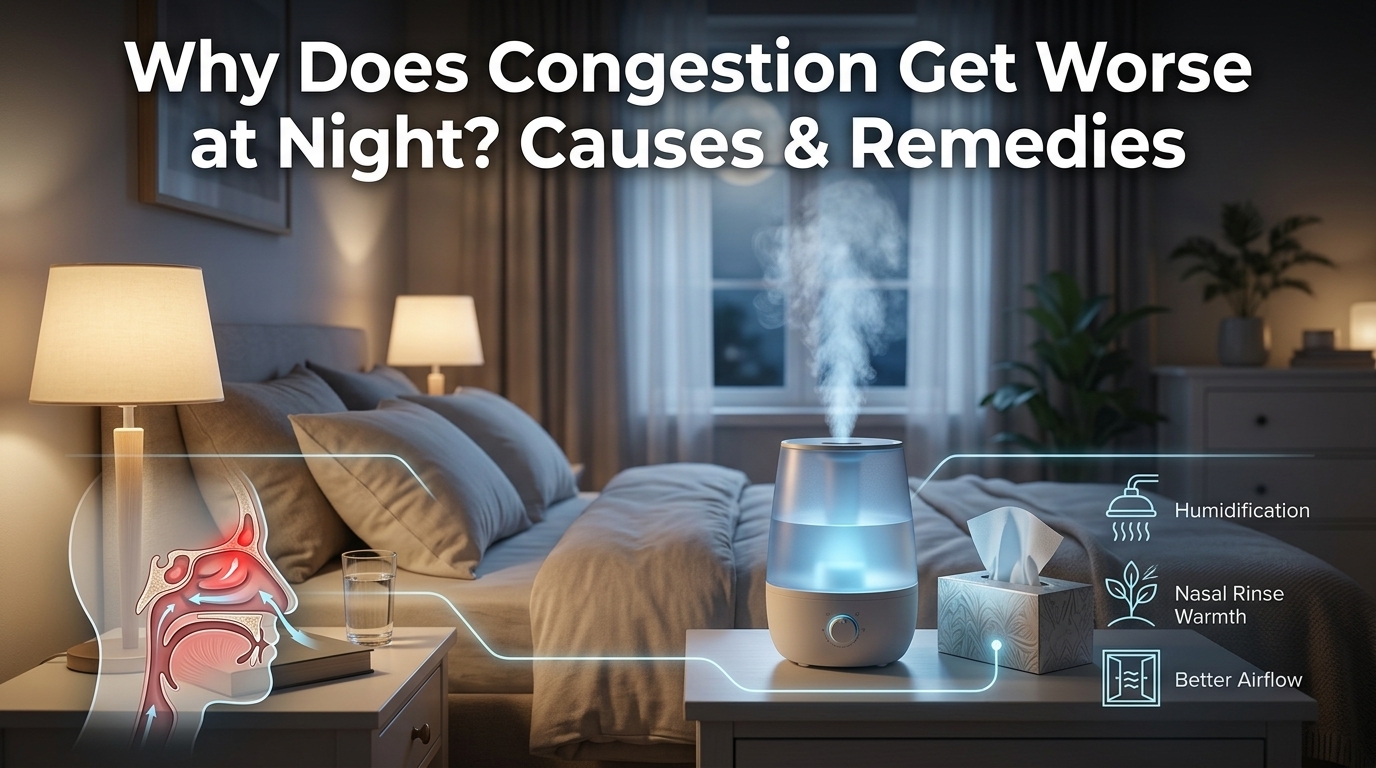
In the absence of illness or anatomical obstruction, breathing through the nasal passage is as simple and natural a process as one could imagine. Nevertheless, millions of people cannot achieve such a feat of natural and comfortable breathing. The procedure that may address a case such as this,deviated septum surgery,is a surgery used to repair a deviation in the partition of the nose,called a septum,that results in impaired quality of life or uncomfortable physical symptoms.
Though many people have some amount of deviation in the septa of their noses without ill effects, those who suffer a deviated septum with severity may well consider surgical intervention to resolve the condition.
The following article offers an introduction to this widely practiced procedure, detailing whom it helps and what it generally entails as part of our health guides. The below material was compiled with you in mind to aid the discussion you may wish to have with an Ear Nose and Throat Specialist on the subject, regardless of whether the study is for your own use or that of a loved one.
What Is a Deviated Septum?
Nasal septum also called nasal septum Deviation is a partition of bone and cartilage that sits between your two nasal passages in the center of your nose. A “straight” septum has the deviation within a close tolerance of the mid-line of the nose and an equal area available to each nasal airway. When the nasal septum shifts one side or the other, it may make one or both of your nasal airways narrow or fully obstruct.
Many deviated septums are present from birth, while others result from an injury to the nose.
If a deviated septum causes a nasal airway obstruction, that the is the only reason to make the decision to repair. Most individuals do not suffer any consequences from the nasal septum being off set to the side and it is not even apparent or realized that it is deviated until it is seen by a ENT or during a standard ENT physical.
Why This Topic Matters
One of the most frequent causes of unilateral and bilateral nasal blockage is deviation of nasal septum. Since clinical features are the same in allergic rhinitis, sinusitis, and hypertrophy of nasal turbinates, patients suffer for a long time with this illness not knowing about its actual cause. Correct determination of disease symptoms and signs will help adjust the further course of the treatment because treatment by medication alone won’t fix the deviating septum. In some situations surgery would be required to treat the problem.
Understanding the Role of the Nasal Septum
The septum does more than simply separate your nose into two air passages. It helps maintain the shape and stability of the nose while supporting efficient airflow.
When the septum is properly aligned, it allows air to move smoothly through both nostrils. This balanced airflow helps:
- Warm incoming air before it reaches the lungs.
- Filter dust and airborne particles.
- Maintain moisture inside the nasal passages.
- Support the normal function of the sinus drainage pathways.
- Contribute to a healthy sense of smell.
A significant deviation can disrupt these functions, leading to both immediate symptoms and long-term complications if left untreated.
What Causes a Deviated Septum?
The septum does more than simply separate your nose into two air passages. Understanding the cause helps doctors determine the most appropriate treatment approach.
Congenital Development
Some people are born with a deviated septum. The deviation may develop during fetal growth or occur during childbirth. Symptoms may not become noticeable until adolescence or adulthood as the face continues to develop.
Nasal Injury
Trauma is another common cause. A broken nose from sports, falls, vehicle accidents, or other impacts can permanently shift the septum if it doesn’t heal in its normal position.
Even relatively minor injuries during childhood may contribute to a noticeable deviation later in life.
Age-Related Changes
Natural aging can gradually alter the supporting tissues inside the nose. While aging doesn’t directly cause a deviated septum, it may make an existing deviation more noticeable by changing the structure and flexibility of nasal tissues.
Signs and Symptoms of a Deviated Septum
Symptoms vary depending on how severe the deviation is. Some people experience only mild congestion, while others have persistent breathing difficulties that interfere with daily life.
Common symptoms include:
Difficulty Breathing Through One Side of the Nose
Many people notice one nostril consistently feels more blocked than the other. The blockage may switch sides due to the normal nasal cycle but often remains worse on the side narrowed by the deviation.
Chronic Nasal Congestion
Unlike congestion caused by a cold, structural blockage often persists for months or years without complete relief.
Frequent Sinus Infections
Restricted airflow and impaired sinus drainage can increase the likelihood of recurrent sinus infections in some individuals.
Nosebleeds
Dryness caused by altered airflow may irritate the lining of the nose, making nosebleeds more frequent.
Snoring and Poor Sleep
A narrowed nasal passage can contribute to noisy breathing during sleep. While a deviated septum alone doesn’t always cause sleep apnea, it may worsen existing sleep-related breathing problems.
Facial Pressure
Some individuals report ongoing facial discomfort or pressure, particularly if poor sinus drainage leads to repeated inflammation.
Headaches
Although headaches have many possible causes, chronic nasal obstruction and associated sinus issues may contribute to facial or head discomfort in certain cases.
Reduced Sense of Smell
Air carrying odor molecules may not effectively reach the smell receptors if nasal airflow is significantly restricted.
When Should You See a Doctor?
Occasional nasal congestion is common, especially during allergy season or respiratory infections. However, ongoing symptoms deserve medical evaluation.
Consider scheduling an appointment with an ENT specialist if you have any of these symptoms:
- Persistent difficulty breathing through your nose.
- Frequent sinus infections despite treatment.
- Regular nosebleeds without an obvious cause.
- Chronic snoring accompanied by poor sleep quality.
- Nasal blockage lasting several months.
- Symptoms that don’t improve with allergy medications or nasal sprays.
Prompt evaluation helps determine whether symptoms stem from a structural issue, allergies, chronic inflammation, or another condition.
How a Deviated Septum Is Diagnosed
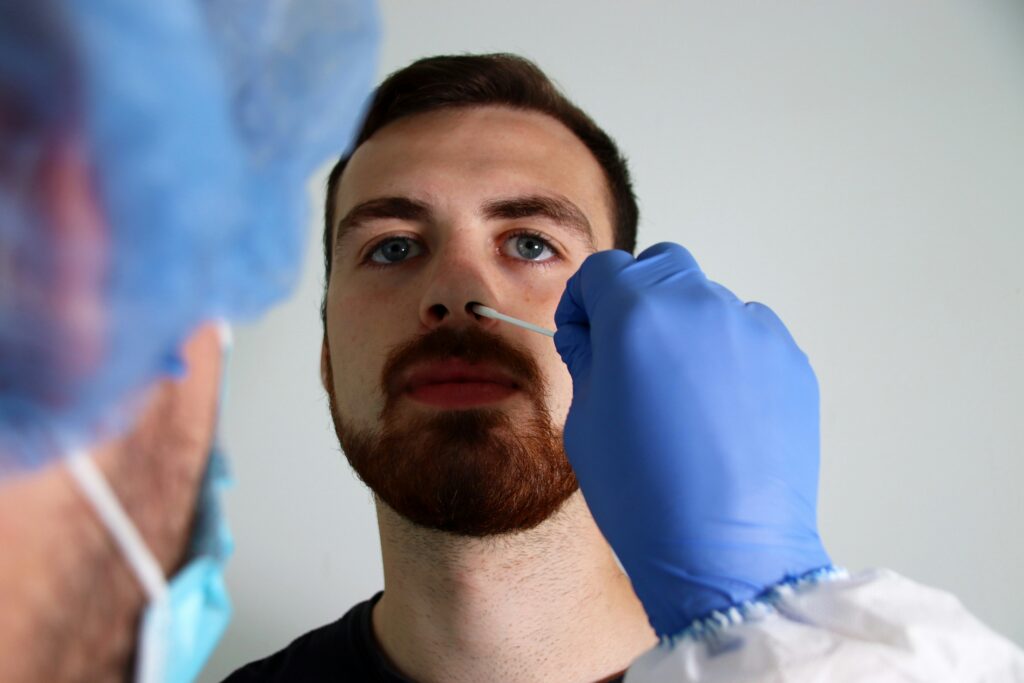
Diagnosing a deviated septum involves more than simply looking inside the nose. ENT specialists combine medical history, symptom evaluation, and physical examination to determine whether the deviation is responsible for a patient’s concerns.
Medical History
Your doctor may ask questions such as:
- How long have you had difficulty breathing?
- Is one side consistently worse?
- Have you experienced previous nasal injuries?
- Do allergy medications help?
- Do you snore or have sleep problems?
- How often do you develop sinus infections?
These answers help distinguish structural obstruction from other nasal conditions.
Physical Examination
The doctor typically uses a bright light and specialized tools to examine the inside of your nose and nasal passages.
This examination allows the doctor to assess:
- The position of the septum.
- The degree of narrowing.
- Signs of inflammation.
- Swollen nasal tissues.
- Polyps or other abnormalities.
Nasal Endoscopy
In many cases, an ENT specialist performs nasal endoscopy.
Your doctor may use a thin, flexible tube with a small camera to get a detailed view of parts of your nasal passages that can’t be seen during a routine exam.
A nasal endoscopy may reveal conditions such as chronic inflammation, nasal polyps, or enlarged turbinates that can worsen your symptoms.
Imaging Studies
CT scans are not routinely required for every patient with a deviated septum. However, they may be recommended if chronic sinus disease, previous nasal surgery, facial trauma, or complex anatomical problems are suspected.
Can a Deviated Septum Be Treated Without Surgery?
Not everyone with a deviated septum has to get surgery performed to rectify it. The mode of treatment is usually decided by the extent of the deviated septum. If you have these symptoms more as a result of inflammation and less as a result of the septum not being in the right position, your doctor might treat you with the following options: nasal irrigation; topical corticosteroids; antihistamines (if you have allergies); and, when needed, decongestants.
These medications will work on reducing nasal swelling and inflammation, but will not improve your deviation in the slightest.
If all else fails, and you keep developing symptoms or find that your medical treatment isn’t working, the only solution could be to have your surgeon perform an operation on your nose. The symptoms often subside with the surgery itself, and the results are long-lasting.
When Is Deviated Septum Surgery Recommended?
Surgery is usually considered only after a thorough evaluation confirms that the septal deviation is the primary cause of symptoms.
An ENT specialist may recommend deviated septum surgery if you have:
- Persistent nasal obstruction that affects everyday breathing.
- Ongoing symptoms despite appropriate medical treatment.
- Recurrent sinus infections related to poor nasal drainage.
- Frequent nosebleeds caused by abnormal airflow.
- Structural blockage interfering with sleep.
- A significant deviation identified during examination that matches your symptoms.
The decision is individualized. A mildly deviated septum seen on examination does not automatically require surgery. Instead, doctors weigh the severity of symptoms, physical findings, and the expected improvement in quality of life before recommending an operation.
How Deviated Septum Surgery Works
Septoplasty Medical Procedure The medical name given to repairing a deviated septum is the septoplasty procedure. In most cases, the goal of the procedure is to make the septum straighter so that air flows more easily through the nasal passages. The goal of surgery is also to minimize the removal of cartilage and surrounding tissues.
Septoplasty vs Rhinoplasty and Septorhinoplasty Septoplasty is not rhinoplasty, a procedure aimed at cosmetically altering the nose’s shape.
A septorhinoplasty, a combination septoplasty and rhinoplasty, may be performed when a patient is not only concerned about nasal obstruction but also about cosmetic alterations to the nose. Be aware that the surgical incisions for septoplasty, today, are now made within the nostrils and so are non-visible once complete. The surgical approaches are less invasive than they were previously.
Who Is a Good Candidate for Deviated Septum Surgery?
Not everyone with a crooked septum needs surgery. ENT specialists recommend septoplasty when symptoms clearly correlate with the structural abnormality and conservative treatments have not provided sufficient relief.
Surgery may be an option if you:
- Have chronic difficulty breathing through your nose.
- Experience repeated sinus infections related to poor drainage.
- Have frequent nosebleeds caused by septal deviation.
- Struggle with sleep because of nasal obstruction.
- Have persistent symptoms despite medications such as nasal steroid sprays or allergy treatments.
- Are in generally good health and able to undergo surgery safely.
Surgery is often postponed during an active nasal infection or uncontrolled medical condition until those issues are addressed.
Preparing for Deviated Septum Surgery
Preparation helps reduce surgical risks and improves recovery.
Before surgery, your ENT surgeon will review your medical history, perform a physical examination, and discuss your goals and expectations. Depending on your health, additional testing may be recommended.
Your surgeon may advise you to:
- Stop smoking several weeks before surgery, as smoking slows healing.
- Avoid medications that increase bleeding, such as aspirin or certain anti-inflammatory drugs, if medically appropriate.
- Inform the medical team about all prescription medications, supplements, and herbal products you take.
- Arrange transportation home since you typically cannot drive after anesthesia.
- Follow fasting instructions if general anesthesia will be used.
Patients should also discuss allergies, previous surgeries, bleeding disorders, or any chronic medical conditions before the procedure.
What Happens During Deviated Septum Surgery?
Although each case is unique, septoplasty generally follows a similar sequence.
Step 1: Anesthesia
Septoplasty may be performed under:
- General anesthesia, where you are fully asleep.
- Local anesthesia with sedation, depending on the complexity of the procedure and surgeon preference.
The choice depends on several factors, including patient health, surgical complexity, and hospital protocols.
Step 2: Accessing the Septum
The surgeon makes a small incision inside the nose. Because the incision is internal, there is usually no visible scar afterward.
The lining covering the septum is carefully lifted to expose the underlying cartilage and bone.
Step 3: Correcting the Deviation
The surgeon reshapes, repositions, or removes portions of cartilage and bone that are blocking airflow.
Whenever possible, healthy tissue is preserved to maintain the nose’s structural support.
The objective is not to create a perfectly straight septum but to restore functional airflow while preserving stability.
Step 4: Repositioning the Tissue
After correcting the septum, the protective lining is placed back into its normal position.
Small dissolvable stitches are commonly used to secure the tissues.
Some surgeons place soft internal splints inside the nose for several days to help stabilize the septum during healing.
Step 5: Recovery Room
Most patients spend a short period in a recovery area before returning home the same day.
Septoplasty is commonly performed as an outpatient procedure, meaning an overnight hospital stay usually isn’t necessary unless additional procedures are performed or medical circumstances require observation.
How Long Does Deviated Septum Surgery Take?
The procedure itself generally lasts 30 to 90 minutes, depending on:
- Severity of the deviation
- Previous nasal surgeries
- Additional procedures performed
- Individual anatomy
Preparation and recovery from anesthesia add extra time to the overall surgical visit.
Recovery After Deviated Septum Surgery
Recovery occurs gradually. Although many people notice improved breathing after healing, the nose initially becomes swollen, making temporary congestion normal.
Understanding the recovery timeline helps set realistic expectations.
| Recovery Stage | What to Expect |
| First 24–48 hours | Mild bleeding, swelling, congestion, fatigue |
| First week | Nasal stuffiness, gradual reduction in swelling |
| Two to four weeks | Improved airflow begins becoming noticeable |
| One to three months | Continued healing of internal tissues |
| Six months to one year | Final internal healing for many patients |
Healing varies based on age, overall health, surgical complexity, and whether additional nasal procedures were performed.
Common Recovery Symptoms
Many postoperative symptoms are expected and improve steadily.
These may include:
- Nasal congestion
- Mild bleeding or blood-tinged drainage
- Facial pressure
- Temporary swelling
- Mild discomfort
- Dryness inside the nose
Your surgeon will explain which symptoms are normal and which require medical attention.
Tips for a Smooth Recovery
Following postoperative instructions is one of the most important factors influencing recovery.
Patients are commonly advised to:
- Sleep with the head elevated.
- Avoid strenuous exercise until cleared.
- Do not blow the nose during the early healing period.
- Use saline sprays if recommended.
- Attend all follow-up appointments.
- Stay well hydrated.
- Avoid smoking and secondhand smoke.
- Follow medication instructions carefully.
Healing is gradual, and patience is essential. Internal swelling often takes longer to resolve than external symptoms suggest.
Potential Benefits of Deviated Septum Surgery
For appropriately selected patients, septoplasty can significantly improve quality of life.
Possible benefits include:
Easier Nasal Breathing
The most common reason patients undergo surgery is to improve airflow through the nose.
Many people report breathing more comfortably both during the day and while sleeping.
Fewer Sinus Problems
Improved drainage may reduce the frequency of sinus infections in individuals whose recurrent infections are related to septal obstruction.
However, surgery does not eliminate every possible cause of sinus disease.
Better Sleep Quality
Improving nasal airflow can help reduce snoring linked to a blocked nose.
If a patient also has obstructive sleep apnea, additional evaluation and treatment may still be necessary because septoplasty alone is usually not considered a cure for sleep apnea.
Improved Exercise Tolerance
Breathing more freely through the nose may make physical activity feel more comfortable for some individuals.
Reduced Dependence on Nasal Medications
Some patients find they no longer need certain medications as frequently after structural obstruction has been corrected.
This depends on whether allergies or other chronic nasal conditions are also present.
Risks and Possible Complications
As with any surgical procedure, deviated septum surgery has potential risks. However, serious complications are rare when the surgery is performed by a skilled surgeon.
Potential risks include:
- Bleeding
- Infection
- Persistent nasal obstruction
- Septal perforation (a hole in the septum)
- Temporary numbness of the upper teeth or nose
- Changes in smell (usually temporary)
- Scar tissue formation
- Need for revision surgery
- Reaction to anesthesia
Discussing these risks beforehand allows patients to make informed decisions.
Success Rates and Long-Term Outlook
Septoplasty is generally considered an effective procedure for patients whose symptoms are caused primarily by septal deviation.
Most individuals experience meaningful improvement in nasal airflow after healing is complete.
However, outcomes depend on several factors, including:
- Severity of the original deviation
- Presence of allergies
- Chronic sinus disease
- Enlarged turbinates
- Smoking status
- Adherence to postoperative care
Some patients continue to require allergy management or treatment for unrelated nasal conditions even after surgery.
Can a Deviated Septum Return After Surgery?
The corrected septum typically remains stable after healing.
However, a new nasal injury can alter its position again.
In children and adolescents, surgeons carefully consider facial growth before recommending septoplasty, although surgery may still be appropriate in selected cases when symptoms are severe.
Occasionally, scar tissue or incomplete correction may contribute to persistent symptoms, and a revision procedure may be considered after careful evaluation.
How Much Does Deviated Septum Surgery Cost?
The cost varies widely depending on:
- Country
- Geographic region
- Hospital or surgical center
- Surgeon’s experience
- Anesthesia fees
- Insurance coverage
- Whether additional procedures are performed
When surgery is considered medically necessary to improve breathing, many health insurance plans may cover part or all of the procedure, subject to policy terms, deductibles, and prior authorization requirements.
Patients should contact both their surgeon’s office and insurance provider to understand expected out-of-pocket costs before scheduling surgery.
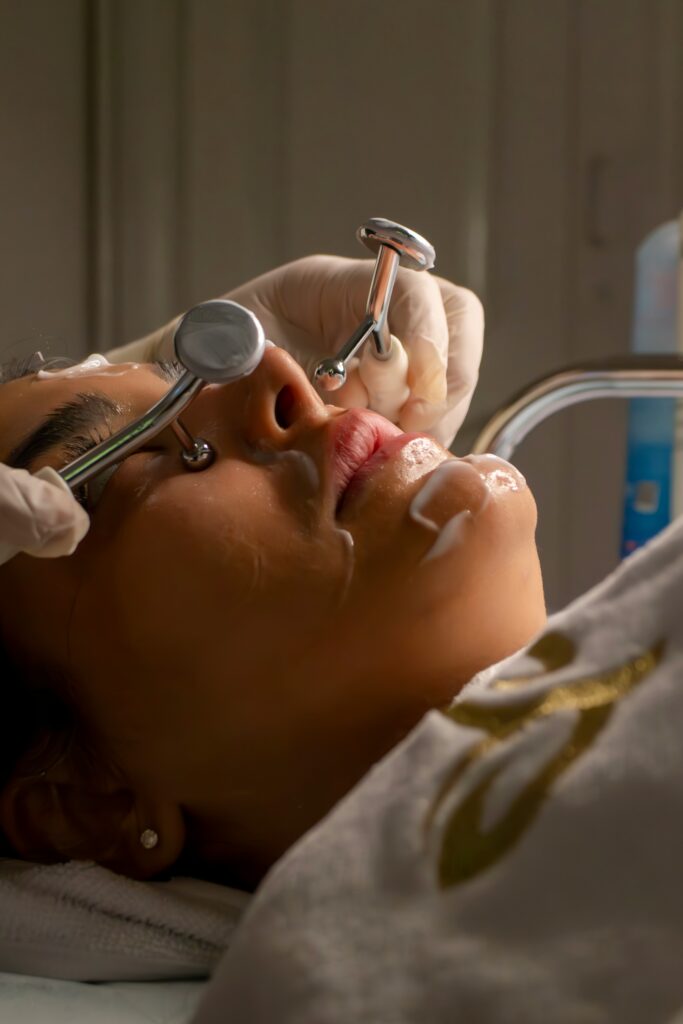
Septoplasty vs. Rhinoplasty: What’s the Difference?
Many people confuse these two procedures, but they serve different purposes.
| Feature | Septoplasty | Rhinoplasty |
| Primary purpose | Improve breathing | Change nose shape |
| Medical necessity | Often functional | Usually cosmetic, though sometimes functional |
| Insurance coverage | May be covered when medically necessary | Often not covered if purely cosmetic |
| Changes external appearance | Usually minimal | Often noticeable |
| Main focus | Straightening the septum | Reshaping nasal structures |
Some patients benefit from a combined procedure called septorhinoplasty, which addresses both breathing difficulties and cosmetic concerns during a single operation.
Expert Insights: Setting Realistic Expectations
One thing that is most important in the treatment is to have realistic expectations. The nasal septum procedure that is performed with the help of septoplasty surgery to correct the functioning of the septum of the nose for better breathing for a patient is not to provide the nasal passage a symmetrical appearance or correct all abnormalities.
The ear, nose and throat surgeons usually assess that if there is some other health problem leading to problem in breathing that may guide the selection of treatment. Allergies and chronic rhinitis, enlargement of the turbinates and nasal valve collapse often need to undergo septoplasty with other approaches.
The patient who had realistic expectation and are willing to go through the surgical course following all the postoperative measures and maintaining clear communication have the greatest chances of success.
Conclusion
The difficulties can escalate with everyday activities, work, physical exercise and even rest, if the problem of suffering from frequent nasal obstruction continues. While medicines may help to relieve swelling, they will not solve a deviation problem in a seriously deviated septum. Overview of deviation of the septum is used for patients with the structural deviation of the nasal septum as septoplasty, a correcting surgery that improves the shape of the septum so that there is proper passage of air into the nose, is very successful functionally if the issue is correctly assessed and the patient complies with all the recommendations after the intervention is complete.
Likewise, if the person suffers from the deviated septum symptoms to such a degree that his/her life is negatively impacted, it is essential to arrange a consultation with an ENT doctor to discuss the possibility of having surgery for the condition.
Things to know about deviated septum surgery To diagnose accurately and to understand if he/she is suitable for the deviated septum surgery it is extremely important for him/her to seek the right professional help. Some of the other issues contributing to nasal obstruction such as allergies, sinusitis or large turbinates will be best treated by other non-surgical methods, but ENT specialists can provide clear indications on the best available procedures and their pros and cons.
Frequently Asked Questions (FAQs)
1. Is deviated septum surgery painful?
Most patients have a moderate level of pain but very little severe pain. The congestion, pressure and swelling are more severe than pain, but your surgeon can give you a prescription for pain medication and use sprays and saline in order to improve this on the first few days post op.
2. How long does it take to recover from deviated septum surgery?
Typical Rhinoplasty Recovery time Rhinoplasty surgery takes approximately one to two weeks for the inflammation and swelling to reduce. Many patients can return to work for desk jobs within a week or two, again depending on the patient’s ability to heal, and their plastic surgeon’s recommendation. Internal healing may take months and the final outcome can only be assessed when swelling has resolved.
3. Will deviated septum surgery change the appearance of my nose?
A traditional septoplasty is solely functional; in other words, the procedure is only performed to straighten the septum, with no attempt to change the nose’s shape. Standard septoplasty is an internal procedure and there should be no external evidence that it has been carried out, although this can change if performed as part of a rhinoplasty, or nose job.
4. Can a deviated septum come back after surgery?
Traditional Septoplasty A traditional septoplasty is performed purely as functional procedure, the technique being aimed to straighten the septum alone. There is no alteration of shape or appearance of the nose to be carried out. Septoplasty performed in the standard fashion is an internal technique, there should be nothing outwardly evident of procedure has taken place – this is unless performed during a Rhinoplasty/ Nose Job.
5. Is septoplasty covered by health insurance?
Your insurance company might cover the expenses. It is known to be medically necessary when deviated septum surgery has to be done to remedy any medical conditions of breathing disorders. Make sure to call insurance company about your coverages like co-pays and deductibles.
6. Can allergies still cause congestion after surgery?
Yes, Septoplasty is a surgery and does improve breathing by correcting a deviated septum, but it does not eliminate the underlying cause of allergy. Also, if a patient has allergic rhinitis, they still need some allergy treatment like anti-histamines, nasal steroid spray, etc.
7. At what age can someone have deviated septum surgery?
Lastly, while this procedure is generally indicated for adult patients, a septoplasty can be carried out in a child or adolescent when the symptoms are extremely significant, or when they lead to complications with breathing through the nose. This will be assessed according to the evolution of facial growth.
Key Takeaways
| Topic | Summary |
| What is it? | Septoplasty is surgery to straighten a deviated nasal septum and improve airflow. |
| Who needs it? | People with persistent nasal obstruction, recurrent sinus issues, or breathing problems that do not improve with medical treatment. |
| Procedure length | Usually 30–90 minutes, often as an outpatient procedure. |
| Recovery | Most daily activities can resume within 1–2 weeks, while complete internal healing takes several months. |
| Benefits | Improved breathing, better nasal airflow, potential reduction in sinus problems, and better sleep quality. |
| Risks | Bleeding, infection, septal perforation, persistent symptoms, or the need for revision surgery in some cases. |
| Long-term outlook | Most patients experience meaningful improvement when surgery is performed for appropriate medical reasons. |