The condition pelvic congestion syndrome (PCS) develops when veins in the pelvis enlarge and stop working correctly, leading to chronic pelvic pain and associated symptoms, especially in women of childbearing age. However, because it can imitate various gynecologic and gastrointestinal conditions, pelvic congestion syndrome often is overlooked and mistreated. This article will guide you through understanding PCS, its causes, symptoms, how to get diagnosed and what realistic expectations to have of its treatment and ongoing daily life with this disorder.
Why Pelvic Congestion Syndrome Matters
When you think about why women go to the gynecologist, pelvic congestion syndrome (PCS) is the most common vascular reason among them for chronic pelvic pain. Still, for years people with PCS can suffer through dozens of office visits, scans that find nothing unusual, and treatments that fail to offer relief until finally the possibility of a pelvis veins issues becomes obvious.
PCS also matters because:
- It can significantly reduce quality of life, affecting work, daily activities, sexual relationships, and mental health.
- It overlaps with other conditions like endometriosis, fibroids, and irritable bowel syndrome, making an accurate diagnosis even more important.
- Effective minimally invasive treatments such as pelvic vein embolization now exist, offering many patients meaningful relief without major surgery.
Understanding pelvic congestion syndrome helps patients ask more focused questions, seek the right specialists, and avoid “it’s all in your head” dismissals.
What Is Pelvic Congestion Syndrome?
Pelvic congestion syndrome is a long-term disorder that causes a heavy aching pain in the pelvis due to varicose (large, twisted, and tortuous) veins that do not properly return the blood toward the heart. The varicose veins tend to encompass the uterus, the ovaries and sometimes the bladder and the region of the vagina. Healthy veins contain one-way valves that return blood toward the heart. However, in PCS:
- Valves become incompetent or break down,
- causing venous reflux (blood flows backward)
Veins dilate and twist to carry more blood and stay chronically filled (engorged) This excess blood engorges the pelvic veins and surrounding tissue, increasing pressure to produce a chronic dull aching rather than sharp pain.PCS used to be discussed almost exclusively in women, but now many authors considerPCS as a generalized disorder that has the potential to cause chronic pelvic pain in men and women, but the evidence in men is weak.
How Common Is Pelvic Congestion Syndrome?
Exact numbers are difficult to pin down because PCS is underdiagnosed and often overlaps with other pelvic conditions. However:
- PCS is considered a common cause of chronic pelvic pain in premenopausal women, especially those who have had multiple pregnancies.
- Some vascular and gynecologic experts note that dilated pelvic veins with reflux are frequently seen on imaging in women with long‑standing pelvic pain.
Because many women never undergo advanced imaging of their pelvic veins, PCS prevalence is likely underestimated, and research is ongoing to clarify how often it truly occurs.
Who Is Most at Risk?
Pelvic congestion syndrome tends to appear in a specific profile of patients:
- Sex and age: Most commonly affects premenopausal women, typically between 20 and 45 years old.
- Pregnancy history: More frequent in women who have been pregnant, especially those who have given birth more than once.
- Hormonal factors: Estrogen is thought to contribute to vein dilation and reduced tone, which may explain why PCS is rare after menopause.
Other potential contributors include family history of varicose veins, connective tissue laxity, and conditions that compress pelvic veins, but the strength of evidence for each varies.
Why Does Pelvic Congestion Syndrome Happen?
Venous Reflux and Varicose Veins
The core mechanism behind pelvic congestion syndrome is venous reflux, where blood flows backward through faulty vein valves in the pelvic veins. Over time, this leads to:
- Dilated ovarian and internal iliac veins
- Pelvic varices (clusters of varicose veins) around the uterus and ovaries
- Persistent high venous pressure and congestion
These changes are similar to varicose veins in the legs, but they occur deep in the pelvis where they are not visible.
Role of Pregnancy
Pregnancy is a major factor in PCS for several reasons:
- Blood volume increases, and pelvic veins must carry more blood.
- Hormones such as estrogen and progesterone relax vein walls, making them more prone to dilation.
- The growing uterus compresses nearby veins, which can damage valves over repeated pregnancies.
After childbirth, some women’s veins never fully recover normal function, leaving them with chronic congestion and symptoms.
Compression Syndromes
In some patients, PCS is linked to other venous conditions:
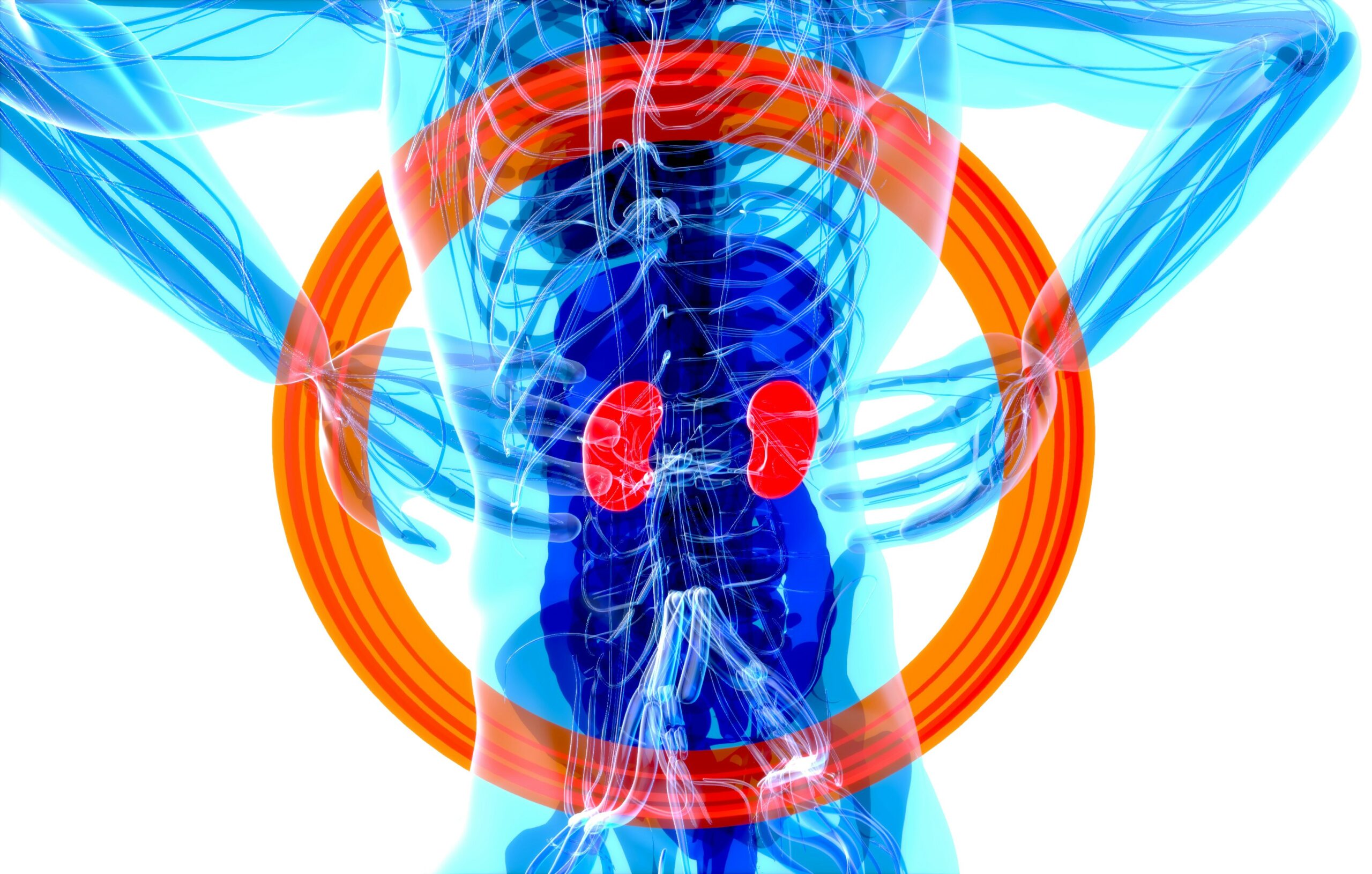
- Nutcracker syndrome: Compression of the left renal vein, which can increase pressure in the left ovarian vein.
- May–Thurner syndrome: Compression of the left iliac vein by the right iliac artery, affecting pelvic venous outflow.
In these cases, PCS is part of a larger problem with venous outflow from the pelvis and lower body.
Pelvic Congestion Syndrome Symptoms
While every person’s experience is unique, certain symptom patterns are typical of pelvic congestion syndrome.
Core Symptom: Chronic Pelvic Pain
PCS is defined by chronic pelvic pain lasting more than 6 months, often described as:
- Dull, aching, or heavy
- Located deep in the pelvis, sometimes radiating to the lower back, hips, or thighs
- Worse at the end of the day, especially after prolonged standing or sitting
- Triggered or worsened by sexual intercourse (dyspareunia) or after orgasm
- More intense before menstruation and sometimes during pregnancy or immediately postpartum
Patients often say it feels like “pressure” or “fullness” in the pelvis rather than sharp stabbing pain.
Other Common Signs and Symptoms
Not everyone has every symptom, but frequently reported issues include:
- Heaviness or fullness in the pelvis that worsens with standing or walking.
- Pain after intercourse or lingering pelvic pain hours after sexual activity.
- Visible varicose veins on the vulva, inner thighs, buttocks, or back of the legs.
- Lower back or buttock pain that seems related to pelvic fullness.
- Menstrual changes, such as more intense premenstrual pelvic discomfort, though PCS does not cause every cycle issue.
- Urinary symptoms like frequent or urgent urination or feeling of incomplete emptying in some women.
- Leg symptoms such as heaviness or fullness when pelvic and leg varicose veins coexist.
These symptoms often overlap with gynecologic, urologic, or musculoskeletal conditions, which is one reason PCS can be missed for years.
How Pelvic Congestion Syndrome Is Diagnosed
There is no single blood test or standard office exam that definitively confirms pelvic congestion syndrome. Diagnosis relies on a combination of:
- Detailed symptom history
- Physical examination
- Targeted imaging of the pelvic veins
Clinical Evaluation
A clinician will typically ask:
- How long the pelvic pain has been present and what makes it better or worse
- Whether it worsens with standing, during or after intercourse, or before periods
- Whether there are visible varicose veins in unusual locations
- Pregnancy history, menstrual patterns, and any previous pelvic surgeries
On physical exam, they may look for vulvar or thigh varicose veins, pelvic tenderness, and signs of other conditions such as endometriosis or fibroids.
Imaging Tests
Imaging focuses on visualizing dilated pelvic veins and assessing blood flow using Doppler ultrasound and venography techniques.
- Transvaginal or transabdominal ultrasound: Can show dilated ovarian or uterine veins, slow or reversed blood flow, and pelvic venous plexuses.
- Doppler ultrasound: Evaluates direction and velocity of blood flow, often used as a first‑line, noninvasive test.
- CT or MR venography: Provides detailed 3D images of pelvic veins, useful for mapping varices and identifying compression syndromes.
- Catheter venography: Involves injecting contrast dye directly into the veins; it remains the gold standard, allowing both confirmation of PCS and treatment (embolization) in the same procedure.
These varices do not cause pain in all women and the image findings must be correlated to the patient’s clinical symptoms. It is required that the patient have symptoms, chronic pelvic pain in particular, and abnormal pelvic veins for a diagnosis of pelvic congestion syndrome.

Conditions Commonly Confused with PCS
Pelvic congestion syndrome often overlaps with, or is mistaken for:
- Endometriosis
- Uterine fibroids
- Adenomyosis
- Ovarian cysts
- Irritable bowel syndrome
- Interstitial cystitis / painful bladder syndrome
- Musculoskeletal or spine‑related lower back pain
There’s potential to see other conditions at the same time, complicating the diagnosis, and a multidisciplinary approach involving gynecology, vascular medicine, and occasionally, pain management and/or urology is beneficial.
Pelvic Congestion Syndrome Treatment Options
Treatment is tailored to symptom severity, reproductive plans, and the specific venous problems identified on imaging.
1. Conservative and Lifestyle Measures
For mild symptoms or as a first step, conservative strategies aim to reduce venous pressure and manage pain:
- Over‑the‑counter pain relievers such as NSAIDs (e.g., ibuprofen) or acetaminophen, under medical guidance.
- Avoiding prolonged standing or heavy lifting that increases pelvic venous pressure.
- Taking breaks to lie down or elevate legs during the day when pain worsens.
- Regular low‑impact exercise like walking, swimming, or yoga to promote circulation.
- Weight management if appropriate, to reduce strain on venous structures.
- Compression garments (such as thigh‑high compression stockings) when pelvic PCS is associated with leg varicose veins.
These measures do not “fix” the underlying vein problem but can ease symptoms for some patients.
2. Hormonal Therapy
Because estrogen is linked to vein dilation, hormonal therapies can reduce congestion in pelvic varices and relieve symptoms in some women. Options may include:
- Progestin‑based therapies such as medroxyprogesterone acetate.
- Gonadotropin‑releasing hormone (GnRH) agonists, which temporarily lower estrogen levels and create a menopause‑like state.
- Combined hormonal contraceptives, sometimes used to stabilize hormonal fluctuations.
These treatments are generally considered when a woman does not plan pregnancy in the near future, and they require careful discussion of risks, side effects, and bone health for longer‑term use.
3. Minimally Invasive Procedures
For moderate to severe PCS with clear imaging evidence of venous reflux, minimally invasive procedures are now considered the mainstay of definitive treatment.
Ovarian and Pelvic Vein Embolization
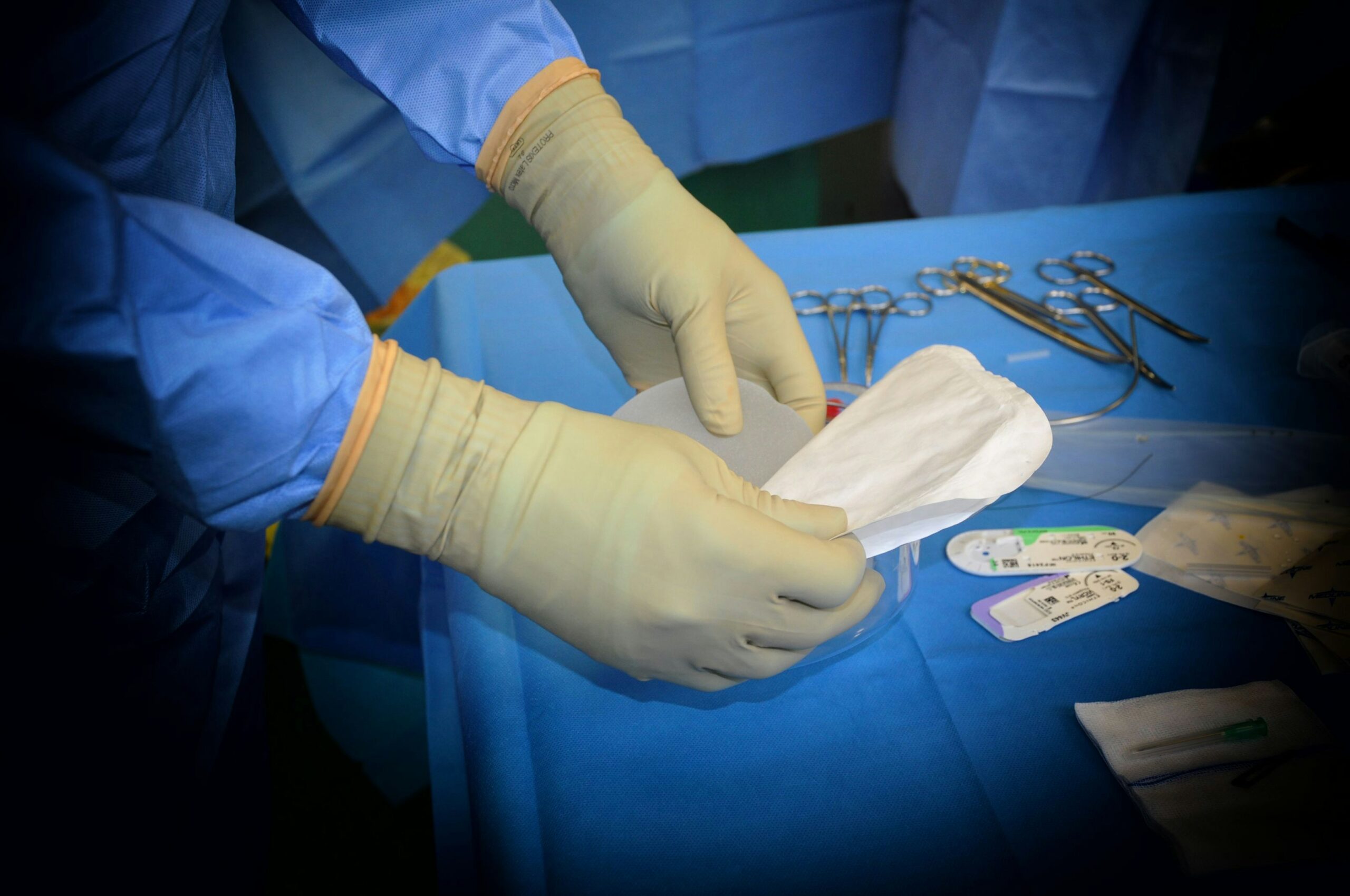
- Performed by an interventional radiologist through a small catheter, usually inserted via the neck or groin.
- Contrast dye outlines the problematic veins, confirming reflux and varices.
- Tiny coils, plugs, or sclerosant agents are then used to block (embolize) the faulty veins.
The blood finds healthier veins to follow as the problem veins are closed, which leads to a reduction of pooling and pressure. Studies and clinical reports on closing abnormal veins have shown great improvement in quality of life and reduction in pain for the vast majority of women treated, although the numbers differ from report to report.
Venous Stenting
When PCS is associated with a compression syndrome like Nutcracker or May–Thurner, stenting the compressed vein may be recommended:
- A metal mesh stent is placed to keep the vein open.
- This helps normalize blood flow and can reduce pressure in downstream pelvic veins.
These decisions are highly individualized and usually made in specialized vascular or interventional radiology centers.
4. Surgical Options
Historically, surgery such as ovarian vein ligation or even hysterectomy was used for pelvic congestion syndrome. With modern embolization techniques, these operations are less common:
- Surgical ligation: Tying off affected veins through open or laparoscopic surgery.
- Hysterectomy: Removal of the uterus; typically considered only when there are other gynecologic indications and not as a primary PCS treatment alone.
Most contemporary guidelines and expert opinions favor minimally invasive endovascular treatments when possible.
Living with Pelvic Congestion Syndrome
Symptom Tracking and Triggers
Keeping a simple pain diary can help:
- Note when pelvic pain is worst (time of day, menstrual cycle phase, after activities).
- Track standing time, physical exertion, and sexual activity.
- Record responses to medications or positional changes (lying down, elevating legs).
Patterns in this diary can guide both diagnosis and treatment decisions.
Mental Health and Relationships
Chronic pelvic pain, including pain from pelvic congestion syndrome, can:
- Increase stress, anxiety, or depression.
- Affect intimacy and sexual satisfaction due to dyspareunia or fear of pain.
Counseling, sex therapy, or support groups can be valuable components of care, especially when pain has been dismissed or misunderstood in the past.
When to See a Specialist
You should consider seeing a gynecologist, vascular specialist, or interventional radiologist if:
- You have had pelvic pain for more than 6 months.
- Pain worsens with standing, before periods, or after intercourse.
- You notice varicose veins in the vulva, thighs, or buttocks.
- Other explanations for your pain (like endometriosis or fibroids) have been ruled out or treated but pain persists.
Early referral can shorten the time to an accurate diagnosis and appropriate treatment.
Common Myths and Misconceptions
“PCS Isn’t Real; It’s All in Your Head.”
There is evidence in standard vascular and gynecologic literature that identifies PCS as a defined venous disorder with a typical symptom profile and certain imaging features. Psychological issues may affect the perception and interpretation of pain but do not “cause” the underlying venous pathology.
“If Imaging Shows Pelvic Varices, I Definitely Have PCS.”
Pelvic varicose veins can be found in some women without any symptoms, so imaging alone is not enough to diagnose pelvic congestion syndrome. The diagnosis requires both characteristic symptoms and matched venous findings.
“The Only Cure Is Hysterectomy.”
Modern practice emphasizes vein‑targeted therapies such as embolization, not routine hysterectomy, for pelvic congestion syndrome. Removing the uterus does not directly address venous reflux and may not resolve pain if congested veins remain.
Future Directions and Ongoing Research
Pelvic congestion syndrome remains a somewhat controversial and evolving field:
- Some authors argue PCS is underrecognized and responsible for a large share of otherwise unexplained pelvic pain.
- Others highlight the need for clearer diagnostic criteria and stronger evidence comparing different treatments.
Current research focuses on:
- Better defining which patients benefit most from embolization or stenting.
- Long‑term outcomes after minimally invasive treatments.
- Understanding hormone‑vein interactions and why some women develop PCS while others do not despite similar risk factors.
As evidence grows, treatment pathways are likely to become more standardized and outcome data more robust.
Conclusion
Pelvic Congestion Syndrome: More than just pain in the pelvic area Pelvic Congestion Syndrome is a condition where chronic swelling and painful pressure develops because of vein reflux (where the veins push blood back in the wrong direction). Often these damaged veins are located in the pelvis, causing continuous pelvic pain, and in some women these symptoms can also be accompanied by pressure and a feeling of heaviness, painful sex, or external varicose veins on the thighs or vulva.
Although the condition is most common in premenopausal women who have had multiple children, men or women of any age with chronic, unexplained pelvic pain, that’s aggravated when you’re standing or before your period should speak with their physician about whether Pelvic Congestion Syndrome may be contributing.
Pelvic congestion syndrome is typically diagnosed by combining a clinical evaluation with specific diagnostic imaging procedures such as venography and ovarian and pelvic vein studies, with treatment approaches often including minimally invasive embolization, along with hormonal therapy and lifestyle adjustments.
Consulting with both a gynecologist and an interventional or vascular radiologist can help diagnose whether pelvic congestion syndrome is causing your discomfort, while exploring a comprehensive women’s health guide can help you better understand related conditions and treatment options.

Frequently Asked Questions About Pelvic Congestion Syndrome
1. Is pelvic congestion syndrome dangerous?
This pelvic congestion is a much more of a lifestyle or an inconvenience of life as opposed to a medical emergency. But this type of chronic pain, sexual discomfort, or even emotional toll can really take a toll on you.
2. Can pelvic congestion syndrome go away on its own?
Other women have an improvement postmenopausally as estrogen levels drop and veins are less engorged. In fact, a majority of premenopausal women continue to have the pain unless treated. However, hormone therapy and a number of lifestyle changes can ease the discomfort.
3. Does pelvic congestion syndrome affect fertility?
However, so far, it is generally concluded that PCS alone does not cause infertility, despite a lack of sufficient research in this area. Any medical approach for pregnant women and those who wish to get pregnant in the future should be chosen according to individual needs, after a discussion with both a gynecologist and interventional radiologist.
4. How long does recovery take after pelvic vein embolization?
Majority of patients having this procedure will require day care treatment or a short period of observation, with most people being able to carry out light activities after only a couple of days. It is also worth considering that you may find pain relief takes place slowly, over weeks or even months, while the vein collapses and the alternative blood circulation adapts.
5. Is pelvic congestion syndrome the same as varicose veins in the legs?
It works the same way – faulty valves and reflux from the veins, although with pelvic congestion syndrome, it’s from the veins of the pelvis, specifically the veins of the uterus and ovaries. A majority of women who experience PCS also experience leg varicosities, but you don’t necessarily have to have both.
6. What kind of doctor treats pelvic congestion syndrome?
Gynecologists frequently will assess chronic pelvic pain and have an index of suspicion for PCS. Interventional radiologists or vascular surgeons will be involved to conduct imaging-guided therapy, such as embolization. Good multidisciplinary communication between specialties works best.
7. Can men get pelvic congestion syndrome?
In general, the literature seems to be more extensive on females, specifically premenopausal females who have carried a pregnancy. A couple authors do suggest that there is pelvic venous congestion as cause of chronic pelvic pain in males, but this field seems much less established and there has not been as much literature conducted on it.