Sucralfate is commonly prescribed to help treat stomach ulcers and protect irritated areas of the digestive tract. Unlike medications that reduce stomach acid, sucralfate works by forming a protective coating over damaged tissue, allowing it to heal while shielding it from stomach acid and digestive enzymes.
Because this medication acts directly inside the stomach rather than entering the bloodstream in large amounts, what and when you eat can influence how well it works. Many people ask about foods to avoid while taking sucralfate because they want to avoid slowing the healing process or reducing the medication’s protective effect.
The good news is that sucralfate does not require a highly restrictive diet. However, certain foods, beverages, supplements, and eating habits may irritate the stomach or interfere with treatment, especially foods that irritate the stomach, which can make digestive symptoms worse. Understanding these factors can help you get the greatest benefit from your prescription while supporting faster recovery.
Understanding How Sucralfate Works
Before discussing foods to avoid while taking sucralfate, it helps to understand why meal timing matters.
When swallowed, sucralfate reacts with stomach acid and transforms into a sticky, gel-like substance. This material attaches to ulcers or injured stomach lining and creates a protective barrier that can remain in place for several hours. During this time, the damaged tissue is better protected from acid, bile salts, and digestive enzymes that might otherwise delay healing.
Because the medicine needs direct contact with the stomach lining, it works best when taken on an empty stomach. If large amounts of food are already present, the protective coating may not adhere as effectively.
Because of this, healthcare providers usually advise taking sucralfate:
- One hour before meals, or
- Two hours after eating
Following these instructions consistently often contributes more to successful treatment than avoiding individual foods alone.
Why Your Diet Matters While Taking Sucralfate
Although sucralfate itself has relatively few food interactions, your overall eating habits can influence ulcer healing and stomach comfort.
Certain foods increase stomach acid production, while others irritate already inflamed tissue. Some beverages may worsen heartburn or indigestion, even if they do not directly interfere with the medication.
Instead of thinking about forbidden foods, it is more helpful to focus on reducing anything that repeatedly causes irritation while maintaining a balanced ulcer friendly diet that supports healing.
Foods to Avoid While Taking Sucralfate
Highly Spicy Foods
Spicy meals are among the first items doctors recommend limiting when someone has an active stomach ulcer or severe gastritis.
Ingredients such as chili peppers, cayenne pepper, hot sauces, and concentrated spice blends may increase burning sensations in people whose stomach lining is already inflamed. While spicy foods do not necessarily cause ulcers, they can aggravate symptoms and make eating uncomfortable.
If spicy meals consistently trigger pain after eating, temporarily reducing them during treatment may allow your stomach to recover more comfortably.
Examples include:
- Hot buffalo wings
- Spicy curries
- Jalapeños
- Chili oil
- Extra-hot salsa
- Ghost pepper sauces
Individual tolerance varies, so not everyone needs to eliminate these foods completely.
Alcohol
Alcohol is one of the most important substances to avoid during ulcer treatment.
Beer, wine, and liquor can irritate the stomach lining, increase inflammation, and slow tissue repair. Heavy alcohol use is also associated with a higher risk of bleeding from existing ulcers.
Even moderate drinking may worsen stomach discomfort in some individuals taking sucralfate.
If you’re being treated for a stomach ulcer or significant irritation, avoiding alcohol until healing is complete is generally the safest approach.
Coffee and Other Caffeinated Drinks
Coffee is another common concern when discussing foods to avoid while taking sucralfate.
Caffeine may stimulate stomach acid production in some people. Both regular coffee and strong espresso can worsen symptoms such as:
- Heartburn
- Acid reflux
- Burning stomach pain
- Upper abdominal discomfort
Tea, energy drinks, and certain soft drinks may have similar effects depending on their caffeine content.
Not everyone experiences increased symptoms, but if you notice discomfort after consuming caffeine, reducing your intake while taking sucralfate is often worthwhile.
Carbonated Beverages
Carbonated drinks do not directly interfere with sucralfate, but they can increase bloating, belching, and stomach pressure.
For people recovering from ulcers or gastritis, this added pressure sometimes contributes to discomfort or reflux symptoms.
Common examples include:
- Soda
- Sparkling water
- Cola
- Lemon-lime soft drinks
- Energy drinks
Plain water remains the best beverage choice during treatment.
Highly Acidic Foods
Acidic foods are another category worth monitoring.
Items such as citrus fruits, tomatoes, vinegar-heavy dishes, and certain fruit juices may trigger pain in people with sensitive stomachs.
Examples include:
- Orange juice
- Grapefruit
- Lemon juice
- Tomato sauce
- Salsa
- Pickled vegetables
These foods are nutritious, so they do not need to be permanently eliminated. However, if they repeatedly worsen symptoms, limiting them temporarily may improve comfort while the stomach heals.
Fatty and Fried Foods
Foods that are high in fat often stay in the stomach longer than lighter meals, which can slow digestion and contribute to bloating, fullness, or acid reflux. While these foods do not directly prevent sucralfate from working, they may increase digestive discomfort, particularly in people recovering from ulcers or gastritis.
Common examples include:
- Fried chicken
- French fries
- Onion rings
- Fast-food burgers
- Deep-fried snacks
- Greasy pizza
Choosing grilled, baked, steamed, or roasted foods instead can be easier on the stomach and may help reduce irritation during treatment.
Chocolate
Few realize that eating chocolate actually can cause symptoms in some people who suffer from stomach issues like acid reflux. There are certain compounds in chocolate which may relax the esophageal valve at the lower end of the esophagus that allow for an increase in the reflux of the contents from the stomach. Chocolate is also found to contain caffeine in some instances that causes added irritation to the stomach. Limit your chocolate consumption for now until symptoms subside if you always experience this as a result of eating chocolate when you’re consuming sucralfate.
Is Dairy Safe While Taking Sucralfate?
Dairy products are not generally considered foods to avoid while taking sucralfate. Most people can safely consume milk, yogurt, and cheese as part of a balanced diet.
It can take time timing matters. Since it is important for sucralfate to coat an empty stomach, you want to make sure you do not eat any dairy right before you take the medication. Wait the appropriate time before you eat your next meal to give sucralfate a chance to build up its barrier. You might also discover that it is high fat dairy products that tend to make you feel worse; in this case low fat options might be okay and may not exclude dairy from your diet as entirely.
Why Meal Timing Is Just as Important as Food Choice
Many people focus only on foods to avoid while taking sucralfate, but timing your meals correctly is often even more important.
Taking sucralfate with a full stomach can reduce its ability to coat damaged tissue effectively. For this reason, healthcare providers commonly recommend taking each dose:
- About 1 hour before eating, or
- At least 2 hours after a meal
Sticking to a consistent schedule each day gives the medication the best chance to protect the stomach lining and support healing.
Foods That May Worsen Symptoms While Taking Sucralfate
Although sucralfate itself does not require a long list of dietary restrictions, certain foods can continue to irritate the stomach lining or worsen the condition being treated. Understanding these foods to avoid while taking sucralfate can help reduce discomfort and support the healing process.
Spicy Foods
Eating foods with hot peppers, cayenne, chili powder, or a lot of seasonings may further irritate an irritated stomach or duodenum. Spicy foods do not interfere with the action of sucralfate but may intensify the burning, pain, or other indigestion of ulcers or gastritis.
If you find that you consistently experience problems when you eat spicy foods, it’s a good idea to restrict them until you are healed.
Acidic Foods and Drinks
Highly acidic foods may irritate damaged stomach tissue. Some people notice increased discomfort after consuming:
- Citrus fruits like oranges, lemons, and grapefruits
- Tomato-based sauces
- Vinegar-heavy foods
- Pickled vegetables
These foods are not universally harmful, but temporarily reducing them may improve comfort while sucralfate protects the ulcer.
Fried and Fatty Foods
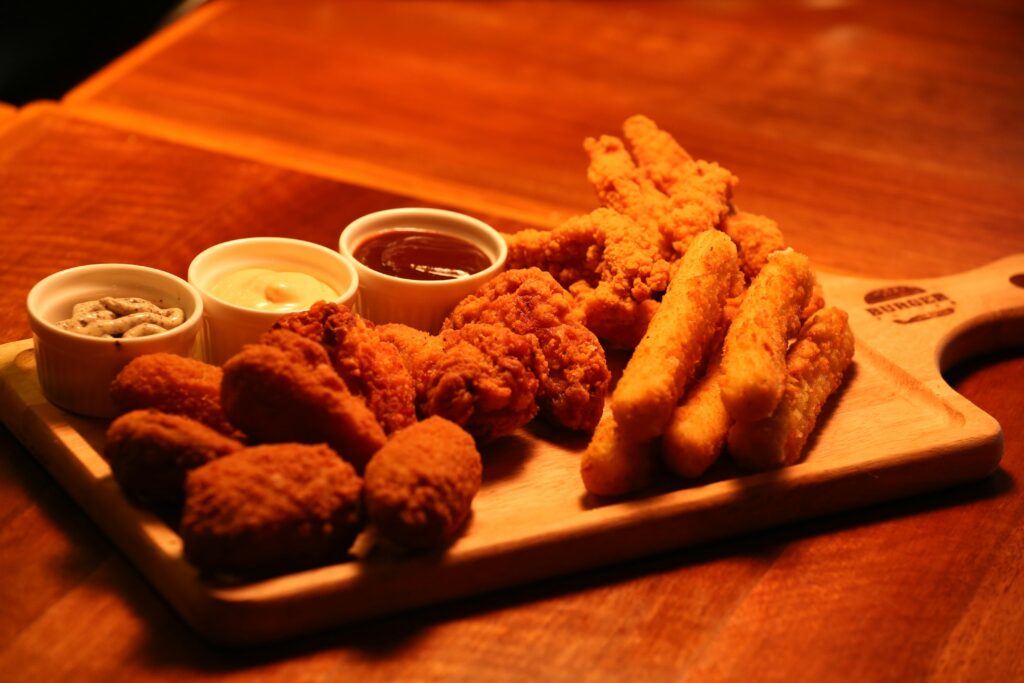
Greasy meals remain in the stomach longer and may slow digestion, increasing feelings of fullness, bloating, or reflux. Examples include:
- Fried chicken
- French fries
- Fast food burgers
- Deep-fried snacks
- High-fat processed meats
Choosing baked, grilled, or steamed foods instead can make digestion easier during recovery.
Alcohol
In addition, alcohol irritates your stomach, and can delay ulcer healing. It can increase acid reflux and can lead to stomach bleeding for a few. For these reasons, most doctors suggest to avoid drinking any alcohol till the end of your treatment is complete and you have a significant relief of symptoms.
Highly Processed Foods
Many ultra-processed snacks are high in sodium, unhealthy fats, refined carbohydrates, and additives. Though these foods won’t directly interfere with sucralfate, they are low in nutritional value and may increase digestive irritation. Replacing ultra-processed snacks with whole foods can also promote gastrointestinal health.
Foods That Are Generally Safe While Taking Sucralfate
Many people worry that foods to avoid while taking sucralfate means following a highly restrictive diet. Fortunately, most nutritious foods are perfectly acceptable once they are eaten at the appropriate time.
A balanced diet may include:
- Lean chicken, turkey, and fish
- Oatmeal
- Rice
- Potatoes
- Bananas
- Applesauce
- Cooked vegetables
- Eggs
- Whole grains, if well tolerated
- Low-fat yogurt, when eaten at the correct time
Soft, easy-to-digest meals are often the most comfortable while an ulcer heals.
Timing Matters More Than Food Choices
One of the most overlooked aspects of taking sucralfate is meal timing.
Because the medication forms a protective coating over ulcers, it works best when the stomach is relatively empty. Eating too soon after taking it may reduce its ability to attach to the ulcer surface.
A common schedule is:
| Time | Recommendation |
| Before breakfast | Take sucralfate about 1 hour before eating |
| Before lunch | Take approximately 1 hour before the meal |
| Before dinner | Take approximately 1 hour before eating |
| Bedtime | Take on an empty stomach before sleep if prescribed |
Always follow the schedule provided by your healthcare professional, as dosing instructions can vary depending on the condition being treated.
Drinks to Be Careful With
When considering foods to avoid while taking sucralfate, beverages deserve attention as well.
Coffee
Coffee is thought to trigger excess acid secretion in the stomach and aggravate symptoms of heartburn or ulcers in individuals who are prone to the problem. Many individuals will consume coffee with relative ease and no problems; however, some individuals have a very strong reaction.
Carbonated Drinks
Soft drinks can contribute to bloating and reflux. Sugary sodas also provide little nutritional benefit.
Citrus Juices
Orange, grapefruit, and lemon juice are acidic and may increase irritation if the stomach lining is already inflamed.
Energy Drinks
Energy drinks often combine caffeine, carbonation, and acidic ingredients, making them a poor choice for someone recovering from an ulcer.
Water
PlainWater remains the best beverage for most people taking sucralfate. Staying well hydrated and following healthy digestive habits can support recovery and overall gastrointestinal health.
Can Dairy Affect Sucralfate?
Dairy products are not usually listed among the primary foods to avoid while taking sucralfate, but timing is important.
Milk, cheese, and yogurt can generally be enjoyed as part of a balanced diet. However, eating these foods with your dose of sucralfate isn’t recommended because food may interfere with the medication’s protective coating.
If dairy causes bloating or worsens symptoms, discuss this with your healthcare provider rather than eliminating it unnecessarily.
Common Medication and Supplement Interactions
Food is only part of the picture. Sucralfate can bind to several medications, making them harder for the body to absorb.
Common examples include:
- Certain antibiotics
- Levothyroxine
- Digoxin
- Some osteoporosis medications
- Iron supplements
Healthcare providers often recommend separating these medications from sucralfate by at least 2 hours, though the exact interval depends on the medication. Always follow your prescriber’s instructions or consult your pharmacist before adjusting your schedule.
Frequently Asked Questions
1. What foods should I avoid while taking sucralfate?
The main foods to avoid while taking sucralfate are those that can irritate your stomach rather than interfere directly with the medicationTrigger Foods Foods that may trigger symptoms Some additional foods and drinks to potentially watch out for may have these qualities: spicy or greasy food acid foods (like tomato, citrus fruits) foods that have the tendency to create a great deal of acid drinking alcoholic beverages. Eat sucralfate on an empty stomach Swallow your sucralfate dose one to 2 hours prior to dishes and also at bedtime because eating soon prior to consuming can undermine your sucralfate dose.
2. Can I eat immediately after taking sucralfate?
No. The effectiveness of sucralfate is increased if it is taken on an empty stomach. It is usually recommended by doctors that sucralfate be taken at least one hour prior to eating, or at least two hours after eating in order for it to coat the lining of the stomach.
3. Is dairy allowed while taking sucralfate?
Yes, you can continue to eat and drink dairy products including milk, yogurt, and cheese with sucralfate. Do not consume these items 1 hour after or 2 hours before taking the medicine because this can impact sucralfate absorption.
4. Can I drink coffee while taking sucralfate?
Coffee does not interact with sucralfate, however, coffee stimulates the stomach acid production, which in turn can lead to a worse state of heartburn and the development of the ulcer. In the event that the intake of coffee leads to the disturbance, the amount consumed should be reduced, replaced by acid-free ordecaffeinated.
5. Does sucralfate interact with vitamins or supplements?
It is a especially important to be mindful if sucralfate interacts with iron supplements or with multi-mineral supplements. For the purposes of drug interactions and nutrient interactions with multi-minerals, it is possible that your provider may tell you to wait at least 2 hours between the intake of your supplements and your dose of sucralfate. Always remember to consult your doctor or pharmacist for their professional guidance.
6. Can I drink alcohol while taking sucralfate?
Things to Skip: Your healthcare provider may advise you to avoid alcohol during treatment. Alcohol may irritate your stomach, thus hindering healing and cause an upset tummy. Avoiding alcoholic beverages until your stomach feels better will possibly help your treatment work.
7. What is the best diet while taking sucralfate?
Avoid hard-to-digest foods. Go for lean protein (e.g. Grilled chicken or fish), well-cooked vegetables, rice, oats, and non-acidic fruits like bananas and applesauce. Keep your meal portions moderate, and stay away from foods that worsen your symptoms.
Conclusion
Knowing the foods to avoid while taking sucralfate can help you get the most benefit from your treatment while reducing stomach irritation.Although you will not need a strict diet, cutting out spicy, alcohol, fried, very acidic foods and lots of caffeine can lead to more relief, as well as the formation of an ulcer scab. What’s more, is to be sure you take the medication as directed – normally one hour prior to meals and two hours following the meal, with the stomach empty to create the protective barrier. Each individual is different in his or her digestive system.
Note which foods aggravate symptoms and speak to a healthcare provider if concerned.
With adequate medication intake timing, a proper diet and lifestyle modifications, you can help your stomach heal properly.