If you’re suffering from GERD (gastroesophageal reflux disease), acid reflux, stomach ulcers, and excessive production of stomach acid, your doctor will probably recommendpantoprazole. Pantoprazole belongs to a classification of drugs calledproton pump inhibitors, or PPIs. PPIs are medications that are used to block stomach acid. Pantoprazole is a type of this drug that limits the production of acid by your stomach.
While this drug can be very helpful, pantoprazole by itself does not represent your only treatment options when it comes to managing symptoms. The choices that you make at dinner can have a massive effect on the regularity of your heartburn, acid reflux, bloating or stomach aches, which is why many people look for pantoprazole foods to avoid once beginning treatment.
Fortunately for you, there is no special diet you must maintain when taking pantoprazole and only very few foods have been observed to interfere directly with the drug itself. You should still be mindful that there is a variety of foods and drinks that will still aggravate acid reflux and irritation in the digestive system making it appear as if pantoprazole is not working.
This article outlines foods that you should avoid when on pantoprazole, why certain foods aggravate the issue, what you can eat instead, and how correct meal timing and healthy behaviors can improve your results while undergoing pantoprazole treatment.
Understanding How Pantoprazole Works
Before discussing pantoprazole foods to avoid, it helps to understand what the medication actually does.
Pantoprazole Works.pantoprazole works by turning off tiny acid pumping stations located in the lining of your stomach. While antacids only work to neutralized acid after it has already been made, pantoprazole is able to cut off a large portion of acid production before it is produced. Pantoprazole is an oral prescription and pantoprazole does not work immediately.
The Pantoprazole is usually the most beneficial when taken daily, rather than only when experiencing symptoms, as it reduces the amount of acid produced over time.
How to Take Pantoprazole The majority of health providers recommend taking your pantoprazole dose once a day, 30-60 minutes before your first meal of the day to allow it to do its job and limit acid production.
Why Diet Still Matters While Taking Pantoprazole
People believe that after taking pantoprazole they can eat anything Unfortunately this is not the case. Pantoprazole decreases acid production in the stomach, however it doesn’t guarantee all foods will avoid acid reflux. Some foods weaken the LES (lower esophageal sphincter, the valve between your stomach and esophagus) or elevate the pressure in the stomach, thus causing your stomach to release contents up into the esophagus, resulting in heartburn despite your medications.
For this reason, learning about pantoprazole foods to avoid is often just as important as taking your medication correctly.
A combination of medication, balanced nutrition, portion control, and following a GERD diet plan alongside healthy lifestyle habits usually provides the best long-term symptom relief.
Pantoprazole Foods to Avoid
Spicy Foods
One of the most frequently encountered triggers for heartburn and acid reflux is a spicy meal. Spicy ingredients and spices – like red pepper, cayenne pepper, red chili, pepper, red pepper flakes, as well as blends of spicy season- can cause your esophageal to burn in some individuals, while making the situation more unpleasant and painful. But Spicy meals doesn’t reduce pantoprazole effect, it only trigger your acid.
Common examples include:
- Hot wings
- Spicy tacos
- Jalapeños
- Buffalo sauce
- Extra-hot salsa
- Spicy curries
If you notice symptoms after eating spicy meals, temporarily limiting them may improve your comfort while pantoprazole controls stomach acid production.
Fried and Greasy Foods
High-fat foods digest more slowly than lighter meals, meaning they remain in the stomach longer. This delay increases pressure inside the stomach and raises the likelihood of acid reflux.
Examples include:
- French fries
- Fried chicken
- Fast-food burgers
- Onion rings
- Deep-fried seafood
- Fried snacks
Instead, choose grilled, baked, steamed, or roasted foods whenever possible.
Fatty Meats
Some cuts of meat naturally contain higher amounts of fat, which may contribute to reflux symptoms.
Examples include:
- Bacon
- Sausage
- Pepperoni
- Fatty steaks
- Processed meats
- High-fat ground beef
Leaner protein sources such as skinless chicken, turkey, fish, tofu, or beans are generally easier on the digestive system.
Citrus Fruits
Although citrus fruits provide valuable vitamins, their acidity may trigger discomfort in people with GERD or chronic acid reflux.
Examples include:
- Oranges
- Grapefruit
- Lemons
- Limes
- Tangerines
Not everyone experiences symptoms, but if citrus consistently causes heartburn, reducing your intake while symptoms are active may help.
Tomato-Based Foods
Tomatoes are naturally acidic and are another common trigger among people with reflux disease.
Foods that may increase symptoms include:
- Tomato sauce
- Pizza sauce
- Ketchup
- Tomato soup
- Salsa
- Marinara sauce
If these foods repeatedly worsen heartburn, consider using lower-acid alternatives or eating smaller portions.
Chocolate
Chocolate is another food that frequently appears on lists of pantoprazole foods to avoid, especially for individuals with persistent GERD.
You’re looking at two things with chocolate: caffeine and chemicals that have proven themselves in studies as relaxers of the LES – the muscles that keep acid in your stomach – leading to the infamous heartburn, that unpleasant burning that travels up your esophagus. Of the two chocolates, dark is the stronger source of caffeine, but how much one of you tolerates of the stimulant can be a world apart; a few ounces won’t faze one, but a couple of pieces can send a second spiraling for antacids. It’s probably more effective to be aware of how your stomach and chest react to a bit of it rather than to abandon it entirely.
Peppermint
Peppermint is commonly used to soothe digestive discomfort, but it may actually worsen acid reflux in some individuals.
Peppermint can relax the lower esophageal sphincter, making it easier for stomach contents to move upward into the esophagus.
Products that may contribute include:
- Peppermint tea
- Peppermint candies
- Peppermint oil
- Mint-flavored desserts
- Strong mint chewing gum
If you notice reflux after consuming peppermint products, limiting them while taking pantoprazole may improve symptom control.
Carbonated Beverages
Carbonated drinks won’t interfere with pantoprazole, but they can contribute to bloating, gas, and increased stomach pressure.
This added pressure may make reflux episodes more likely, especially after large meals.
Examples include:
- Soft drinks
- Cola
- Sparkling water
- Flavored carbonated beverages
- Energy drinks
Replacing carbonated drinks with still water or herbal teas that do not trigger reflux is often a simple way to reduce symptoms.
Coffee and Caffeinated Drinks
Coffee is one of the most frequently discussed pantoprazole foods to avoid because caffeine may stimulate acid production and contribute to reflux symptoms in some people.
Besides coffee, other caffeinated beverages include:
- Black tea
- Green tea
- Energy drinks
- Some soft drinks
For many people, cutting out caffeine completely isn’t necessary.“Some people are just more sensitive to the acid of caffeine and are fine to consume some, as long as they don’t drink it on an empty stomach. If you find yourself experiencing heartburn every time you have caffeine, cutting back or opting for decaf can offer relief.”
Alcohol
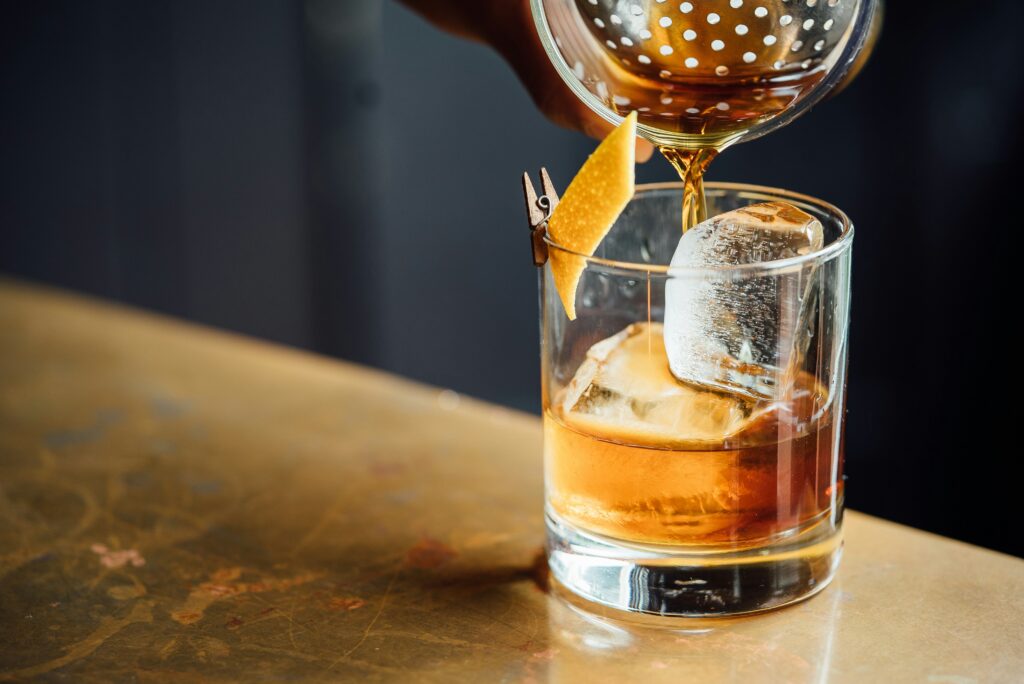
Drinking alcohol can irritate the digestive system, cause acid reflux, and relax the muscle in the lower esophagus. Certain alcoholic drinks like beer, wine, and distilled spirits might also lead to heartburn if you have a predisposition to it. Besides this, it may disrupt the sleep you have which can also aggravate the night time acid reflux.
Why Meal Timing Is Important
Knowing the right pantoprazole foods to avoid is only part of managing acid reflux. Timing your medication and meals properly can significantly improve its effectiveness.
Your health care provider probably suggested that you take your pantoprazole 30–60 minutes before breakfast so that you could keep the acid pumps from firing as soon as the acid from your first meal would start to increase. The reduction of the volume that you eat and having frequent, small meals may be helpful to decrease the pressure in the stomach to the reflux is diminished. Wait 2–3 hours before going to bed.
Foods That Are Generally Safe While Taking Pantoprazole
Tips on What To Eat Once You’ve Know Pantoprazole Foods to Avoid People ask what they can eat after realizing what to avoid when on pantoprazole, good news there is not strict pantoprazole diet you can and may eat almost every nutritional food as long as it fits your overall meal plan. The key is to pick food which causes least acid and supports digestive health.
Lean Proteins
Generally, easy-to-digest sources of protein will be tolerated well because they’re lower in fat than fried or processed meats. These won’t cause delay in the stomach and they won’t make the heartburn symptoms worse.
Good options include:
- Skinless chicken
- Turkey
- Fish
- Eggs
- Tofu
- Beans and lentils, if they do not cause bloating
Whole Grains
Whole grains provide fiber, which may help support digestion and promote fullness without triggering acid reflux in many people.
Examples include:
- Oatmeal
- Brown rice
- Whole-grain bread
- Quinoa
- Whole-wheat pasta
Oatmeal is particularly popular among people with GERD because it is filling, mild, and naturally low in fat.
Non-Acidic Fruits
Not all fruits are acidic. Many are gentle on the stomach and can be enjoyed while taking pantoprazole.
Examples include:
- Bananas
- Melons
- Pears
- Apples
- Papaya
If certain fruits consistently trigger symptoms, keeping a simple food diary can help identify your personal triggers.
Vegetables
Most vegetables are naturally low in fat and acid, making them an excellent choice during pantoprazole treatment.
Some well-tolerated vegetables include:
- Broccoli
- Green beans
- Cucumbers
- Carrots
- Spinach
- Zucchini
- Cauliflower
Steamed, roasted, or lightly cooked vegetables are often easier to digest than heavily fried versions.
Foods That May Trigger Acid Reflux Differently for Everyone
Keep this fact in mind when reading about foods that to avoid on pantoprazole: What sets off one person can be perfectly fine for another. If two GERD patients eat exactly the same thing, they might have vastly different reactions.
Take coffee for instance – one individual might have no problems consuming it, and another experiences heartburn from a single cup. The same goes for certain spicy foods. Instead of giving yourself a restriction list of dozens of foods that you don’t need to avoid altogether, focus on identifying foods that trigger acid reflux for your body and look for consistent patterns.
. If one certain food always bothers you, then reducing its intake or eliminating it might be helpful as your gut repairs itself.
Lifestyle Habits That Can Affect Pantoprazole’s Effectiveness
Diet is only one part of controlling acid reflux. Certain daily habits may continue causing symptoms even when you take pantoprazole correctly.
Eating Large Meals
Large meals enlarge the stomach, adding pressure that may force stomach contents upward into the esophagus. More and smaller meals usually result in an easier and more complete stomach emptying process, which may decrease your frequency of reflux events.
Eating Too Late at Night
Going to bed with a full stomach makes it easier for stomach contents to flow backward when lying flat.
Many healthcare providers recommend finishing dinner at least two to three hours before bedtime.
Smoking
Smoking weakens the lower esophageal sphincter and may reduce saliva production, both of which can worsen acid reflux.
Quitting smoking benefits not only digestive health but also heart, lung, and overall health.
Excess Body Weight
Carrying extra weight around the abdomen increases pressure inside the stomach, making reflux more likely.
Even modest weight loss can improve symptoms for many individuals with GERD.
Can You Drink Coffee While Taking Pantoprazole?
Coffee deserves special attention because many people search specifically for this question when researching pantoprazole foods to avoid.
Pantoprazole does not directly interact with coffee. However, caffeine and coffee’s natural acidity may trigger reflux in sensitive individuals.
If regular coffee causes symptoms, you may find relief by:
- Drinking smaller servings
- Avoiding coffee on an empty stomach
- Choosing low-acid coffee
- Trying decaffeinated coffee
- Limiting multiple cups throughout the day
There’s no universal rule—your own tolerance matters most.
Can You Eat Dairy While Taking Pantoprazole?
Most dairy products are safe to consume while taking pantoprazole.
Examples include:
- Milk
- Yogurt
- Cottage cheese
- Cheese
Some people notice that full-fat dairy worsens reflux, while low-fat versions are easier to tolerate. Choosing reduced-fat options may help if symptoms continue after dairy consumption.
Foods That Support Digestive Comfort
Although there are several pantoprazole foods to avoid, certain foods may help you feel more comfortable while managing acid reflux.
These include:
- Oatmeal
- Bananas
- Brown rice
- Skinless chicken
- Cooked vegetables
- Non-citrus fruits
- Whole grains
- Water
- Herbal teas that do not contain peppermint
Eating slowly and chewing food thoroughly can also improve digestion and reduce the likelihood of reflux.
Common Mistakes People Make While Taking Pantoprazole
Many people unknowingly reduce the effectiveness of their treatment through simple habits.
Some of the most common mistakes include:
Taking the Medication at the Wrong Time
Pantoprazole works best when taken 30 to 60 minutes before breakfast. Taking it after meals may reduce its effectiveness.
Continuing to Eat Trigger Foods Daily
Medication can reduce stomach acid, but it cannot completely overcome repeated exposure to foods that trigger reflux.
Assuming Every Food Must Be Avoided
You’re probably eliminating foods needlessly! Stop with the all or nothing diet and determine what causes trigger foods and stick to a generally healthy eating plan when you can.
Ignoring Persistent Symptoms
Don’t stop pantoprazole until your doctor tells you to. If you are having any heartburn still after taking this medicine as directed and making the changes to your diet, contact your doctor for a visit to assess your symptoms and possibly revise your treatment.
Expert Tips for Better Results
Healthcare professionals often recommend combining medication with practical lifestyle habits for long-term symptom control.
Helpful strategies include following healthy digestive habits that support acid control, improve digestion, and enhance the effectiveness of pantoprazole treatment.
- Take pantoprazole at the same time every day.
- Eat moderate-sized meals instead of large portions.
- Avoid lying down immediately after eating.
- Maintain a healthy body weight.
- Drink plenty of water throughout the day.
- Writing down what you eat can make it easier to identify foods that trigger your symptoms.
- Follow your healthcare provider’s instructions regarding treatment duration.
These habits often provide better long-term relief than relying on medication alone.
Troubleshooting Persistent Heartburn
If you’ve already limited pantoprazole foods to avoid but continue experiencing symptoms, consider other possible causes.
Your healthcare provider may evaluate whether:
- The medication dose needs adjustment.
- Another digestive condition is contributing to symptoms.
- Certain medications are worsening reflux.
- Additional testing is needed to confirm the diagnosis.
- Lifestyle habits often have a greater impact than expected.
Severe and persistent heartburn can be serious and can require treatment from your doctor, especially if it comes with the following symptoms: trouble swallowing loss of weight without reason throwing up blood passing black stools sudden severe pain in the chest.
Conclusion
Understanding pantoprazole foods to avoid can make a meaningful difference in how well your treatment controls acid reflux and other acid-related digestive conditions. While pantoprazole effectively reduces stomach acid production, it cannot completely prevent symptoms if your diet and daily habits continue to trigger reflux. Foods such as spicy dishes, fried meals, fatty meats, citrus fruits, tomato-based products, chocolate, alcohol, carbonated beverages, and excessive caffeine may worsen symptoms in some people, even when taking At the same time. Unfortunately, no one has created a specific “pantoprazole diet”. Most of us are fine with eating everything and anything.
Simply identify your triggers, eating a nutritious and balanced meal, keeping an eye on your serving size, and taking pantoprazole 30 to 60 minutes before breakfast each day should optimize medication effectiveness.
Be mindful of food as medicine.
Frequently Asked Questions
1. What foods should I avoid while taking pantoprazole?
The most common pantoprazole foods to avoid include spicy foods, fried and greasy meals, high-fat meats, tomato-based products, citrus fruits, chocolate, peppermint, alcohol, carbonated drinks, and excessive caffeine if they trigger your acid reflux. These foods do not directly interact with pantoprazole but may worsen GERD or heartburn symptoms.
2. Can I eat anything while taking pantoprazole?
Yes. There’s no special diet when taking Pantoprazole, and there’s generally nothing you have to avoid. Although, if certain food makes you experience heartburn or acid reflux every time you consume it, reducing the consumption of such food might lead to more comfort in your symptom treatment.
3. Can I drink coffee while taking pantoprazole?
Yes, as long as you’re not overdoing it. It won’t work against the pantoprazole but the caffeine may make you feel more acid when you drink it. If the coffee does trigger the condition, consider reducing how much you drink or switching to decaf or low-acid coffee.
4. Should pantoprazole be taken with food?
When is pantoprazole most effective? Usually pantoprazole is most helpful taken about 30-60 minutes before you first eat something each day. Pantoprazole, for example, helps cut stomach acid production when it’s in the bloodstream as your system prepares to work.
5. Is dairy safe while taking pantoprazole?
Yes,. Most dairy products, including milk and yogurt, can be taken with pantoprazole. Though a lot of people notice full-fat diary products causing the condition so low-fat versions may be something to consider should you find symptoms do not clear up.
6. Can I drink alcohol while taking pantoprazole?
There are no major direct interactions between alcohol and pantoprazole, but it can irritate the stomach and exacerbate the symptoms of acid reflux. Most experts advise to moderate or avoid alcohol when taking medication for acid reflux, particularly if you are recuperating from GERD, gastritis or stomach ulcers.
7. Why do I still have heartburn while taking pantoprazole?
Continued heartburn might happen if trigger foods are still in your diet, if you’re not taking your medication properly or if another digestive condition is to blame for your heartburn. If you’re experiencing heartburn even after using pantoprazole properly and making changes to your lifestyle, it’s important to seek out your doctor.