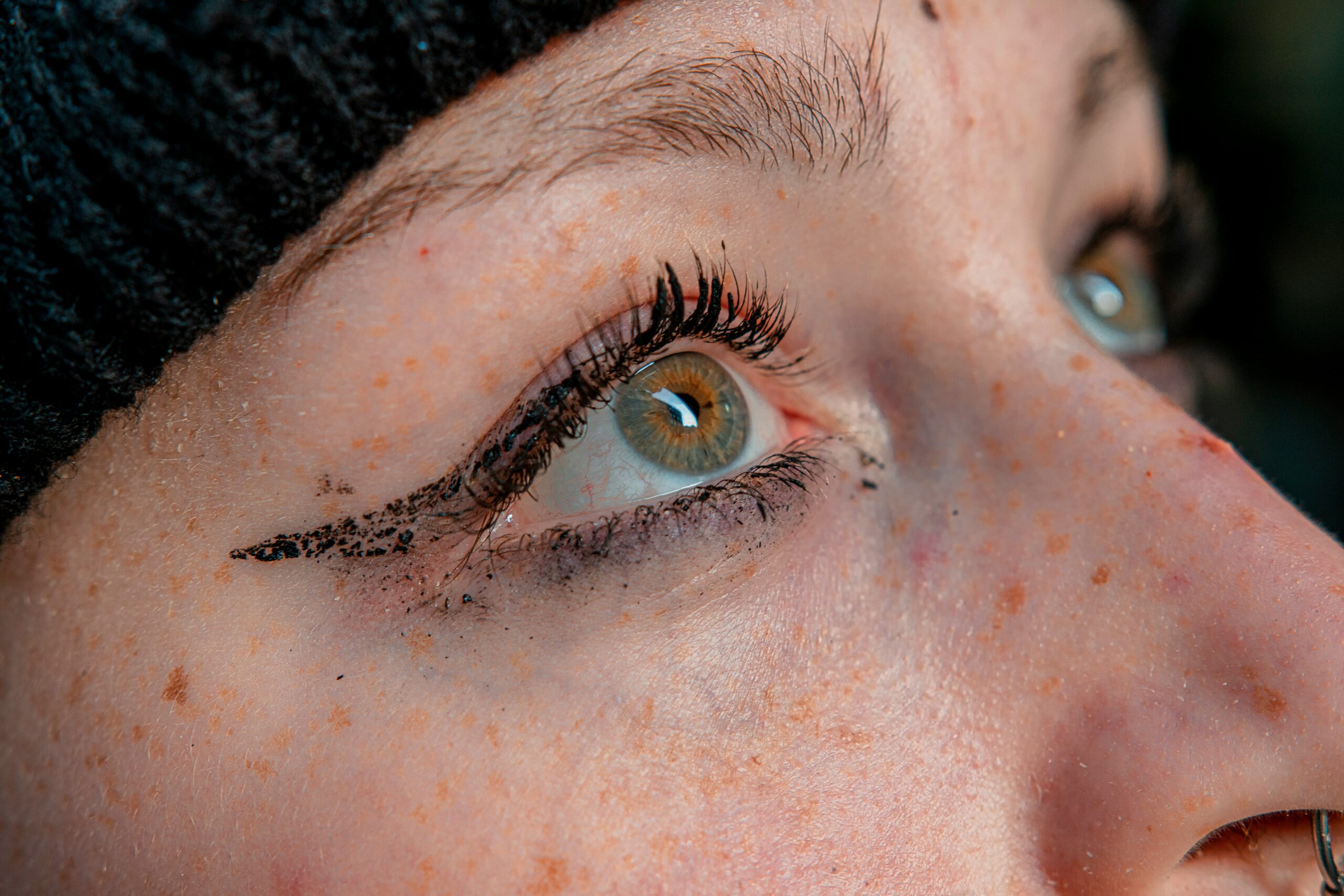
Are your eyelids sagging, causing your eyes to look old, tired or not as attentive as you want them to look? Droopy eyelids sometimes appear naturally as we get older, while other times this droop happens to people because of genetics, allergies, muscle problems or diseases. If you’re wondering how to fix droopy eyelids without surgery, the answer depends largely on why your eyelids are drooping in the first place.
If you’re wondering how to fix droopy eyelids without surgery,It’s crucial that not all drooping eyelids need surgery. Lifestyle modification, skin rejuvenation, localized treatment, and other medical treatments are enough to ameliorate mild drooping or temporarily lift the eyelids. If there is some weakness of the muscles contributing to a severe drooping, or it starts obscuring vision, surgery might be the best treatment to resort to.
If you’re looking for how to fix droopy eyelids without surgery,In this guide you’ll learn the most frequent causes of sagging eyelids, what non-surgical solutions are medically proven, and which popular treatments simply aren’t likely to have a noticeable effect. You can use this information to find real-world solutions and set expectations in the right direction.
Why Understanding the Cause of Droopy Eyelids Matters
Identify the real culprit before embarking on a treatment plan First things first-you need to understand what exactly is behind that sleepy-looking lid. Most people chalk it up to simply getting older and having too much skin on their upper lids, but there are actually multiple issues that can cause your eyelids to droop. A drooping lid can be a result of weakening of the muscle responsible for elevating the lid, loosening of the structures that support the lid, the presence of extra skin on the upper lids, allergy-induced swelling, or even the simple fact that you’re just tired.
But other causes are serious, and a doctor’s diagnosis might be necessary if you’re experiencing ptosis due to nerve problems or medical conditions.
Since each cause will respond differently to the treatment options available, picking the wrong remedy-such as eye creams to plump up your skin-can do nothing for a weakened eyelid muscle. Similarly, face lifts and face exercises might tighten facial muscles, but won’t fix serious cases of ptosis caused by impaired nerves.
What Are Droopy Eyelids?
Droopy Eyelids – What is Ptosis?
A droopy eyelid, which is also referred to by doctors as ptosis (when the eyelid tissue is hanging), happens when a person’s upper eyelid is lower than where it should be. In some people, this can be from birth, while other people may experience a droopy eyelid as they age.
It is also worth noting the difference between ptosis and a condition called dermatochalasis – excess, loose skin surrounding the eye.
It is also possible to develop both. Mild droopy eyes can simply result in having one eye looking a little bit smaller in photos. However, other people experience significant issues keeping their eyes open at the end of the day. In cases with more ptosis, a person may find that their eyelid falls lower, obscuring their pupil or blocking vision.
Common Causes of Droopy Eyelids
Understanding the underlying cause is the first step in determining how to fix droopy eyelids without surgery effectively.
Natural Aging
What causes droopy eyelids? 1) Age and Loss of Elasticity – Aging is the leading cause of droopy eyelid in adults. The levator muscle that holds the lid up either starts to lose muscle tone or elongate over time and, along with the body’s production of collagen and elastin declines, your eyelids may begin to droop over years. This process can begin slowly over years and is often in both eyelids.
Genetics
Genetics sometimes means some people are born with a heavier upper eyelid or excess skin around their eyes. Some younger adults can have drooping eyelids just as a function of their facial structure. Even if there is nothing that can be done to change your genetic predispositions, the cosmetic and medical treatments available can certainly improve the look of a drooping eyelid.
Allergies and Inflammation
Swollen eyelids are common during allergy season. Rubbing your eyelids often as a response to the itchiness may stretch out the skin around your eyelids even more, enhancing drooping. Once the underlying allergies are treated, a great deal of the swelling disappears, leaving you looking much more rejuvenated.
Fatigue and Lack of Sleep
Lack of sleep won’t permanently weaken your eyelids, but you might find they look a little heavier. Lack of quality sleep might cause excess water to accumulate around your eyes, creating a puffy, tired effect. A few nights’ good sleep can fix temporary fatigue-induced drooping.
Medical Conditions
A problem with the muscles that lift the eyelid Some diseases that affect the brain or muscles could affect your eyelid muscles, like: Myasthenia gravis Horner syndrome Damage to nerves For an eyelid that suddenly droops-particularly if it’s paired with blurred vision or double vision, facial weakness, a headache, or changes in your ability to speak-see a doctor instead of trying to treat it at home.
Can Droopy Eyelids Be Fixed Without Surgery?
Is it possible to improve drooping without surgery?
For many people with mild to moderate drooping the answer is yes, although with a qualification. Non-surgical methods are usually most successful when the cause of the droop is from aging skin, some swelling, slight muscle weakness, or cosmetic issues.
This may be by enhancing the skin around the eyelids, reducing any swelling, or giving the illusion of a more open eye.
They will not usually provide a lasting correction to stretched muscles or very severe ptosis. Setting expectations realistically is important; usually the aims are to improve the look rather than achieve an anatomical correction.
Who Is Most Likely to Benefit from Non-Surgical Treatment?
Non-surgical approaches tend to work best for people who have:
- Mild age-related eyelid drooping
- Puffy eyelids caused by allergies or fluid retention
- Slightly loose upper eyelid skin
- Early signs of collagen loss
- Cosmetic concerns without significant vision problems
For severe ptosis, congenital eye disorders and weakness related to nerve disorders, it’s a good idea to see your oculoplastic surgeon and ophthalmologist first before trying any non-surgical measures.
Natural Ways to Improve Mild Droopy Eyelids
While natural methods aren’t a long-term fix to actually lift the eyelids, a few practices can help shrink the puffiness of your eyelids, keep the skin smooth, and prevent them from falling in the long run.
Improve Your Sleep Quality
One easy way to counter tired looking lids: better sleep.
Adults need about 7 to 9 hours of quality rest each night. You can also try elevating your head slightly while sleeping to prevent fluid build-up near the eyes in the morning. Better circulation and less puffiness make droopy eyelids appear less pronounced.
Reduce Eye Strain Throughout the Day
Modern lifestyles expose our eyes to prolonged screen use, which contributes to fatigue and dryness, making digital eye strain prevention even more important.
If you spend hours working on a computer, follow the 20-20-20 rule: every 20 minutes, look at something about 20 feet away for 20 seconds. Blinking regularly and using artificial tears if recommended can also help relieve eye fatigue.
While reducing strain won’t reverse ptosis, it often decreases the heavy, tired feeling associated with long periods of visual work.
Stay Hydrated
When we’re dehydrated, our skin across the board looks and feels dry, including the skin surrounding our eyes. A lack of water in our body may be a contributing factor to the puffiness around the eyes and could decrease the skin’s overall flexibility. Dehydration may even alter your circulation in and around the eyes which can add to bags or a tired looking appearance of the eyes.
Dehydration cannot take the weight off droopy eyelids, though.
However, it can be another component in healthy skin maintenance.
Eat Foods That Support Skin Health
Nutrition plays an important role in maintaining healthy skin and connective tissues while supporting long-term eye health through proper nutrition.
A balanced diet rich in vitamin C, vitamin E, protein, healthy fats, and antioxidant-rich fruits and vegetables helps support collagen production and protects skin from oxidative stress.
Foods commonly associated with healthy skin include:
- Citrus fruits
- Berries
- Leafy green vegetables
- Salmon
- Eggs
- Nuts and seeds
- Avocados
Rather than relying on supplements alone, obtaining nutrients through a varied diet provides broader health benefits.
Protect Your Eyes From Sun Damage
Ultraviolet (UV) exposure accelerates collagen breakdown and contributes to premature skin aging around the eyes.
At home-Sunscreen that’s especially formulated for use on the face as well as sunglasses with UV protection may be effective to maintain your skin’s elasticity in the long term. Though there is no way to cure the existing droopiness, the measures will surely slow down future ageing process.
People who spend significant time outdoors often notice cumulative sun exposure affecting the thin skin around the eyelids earlier than other areas of the face.
Manage Allergies Promptly
Chronic eye rubbing is one of the most overlooked contributors to eyelid irritation.
The action of rubbing can also pull on thin eyelid tissue, potentially widening an allergy flare, which then becomes redder. Taking the right medicine, on a healthcare provider’s recommendation, may reduce the inflammation, and keep eyelid tissue looking good and healthier.
Cold compresses may also temporarily reduce puffiness during allergy flare-ups.
Do Eyelid Exercises Actually Work?
Facial exercises are frequently promoted online as a natural answer for how to fix droopy eyelids without surgery, but scientific evidence remains limited.
Though gentle eye movements might help a person become more conscious of the muscles in his or her face and relax some tension in them, there isn’t sufficient evidence to show that eye exercises can effectively tighten and permanently lift a droopy eye resulting from aging, loosened skin, or actual ptosis.
That said, simple eye movement exercises are generally safe for healthy individuals and may help reduce eye fatigue.
You should slow your eyelids up tight then let them ease away then back up without squeeze so long. Another way is to lift your eyebrows as long as your forehead would not pull down like an aged wrinkle
The trick here is to have realistic expectations of the exercises. Exercises will help the eye with comfort but shouldn’t replace treatment where the drooping is prominent.
Non-Surgical Medical Treatments That Can Help Lift Droopy Eyelids
What Can Help Besides Natural Home Remedies?
For patients who don’t get the results they are hoping for with natural solutions, the available treatments may include anything from oral medications to in-office cosmetic procedures. These treatments cannot replace surgical intervention for more serious cases of ptosis, but they can still yield improvement for those with moderate to mild drooping.
Deciding on a specific treatment is contingent upon what caused the sagging in the first place, along with such factors as your age, skin condition, medical history and whether your focus is cosmetic or functional.
An oculoplastic specialist, eye doctor or dermatologist can advise the best possible course of action based upon a review of your eyelid condition.
Prescription Eye Drops for Certain Types of Droopy Eyelids
For mild acquired ptosis, a relatively new treatment involves special prescription eye drops that temporarily elevate the upper eyelid. Prescription eye drops stimulate a muscle in the eyelid, helping it lift slightly for a few hours. It is a common treatment for adults with ptosis acquired later in life and generally isn’t prescribed for those born with droopy eyelids.
The lift is usually modest rather than dramatic, but it can make the eyes appear more open during the day.
Advantages
- Non-invasive
- Takes effect relatively quickly
- No recovery time
- Can improve appearance without injections or surgery
Limitations
However, this only lasts for as long as you use them according to the instructions, so it does not correct skin that has become lax nor the weak muscles and tendons of the eye. Some side effects may include dryness or irritation of the eye, redness or even headache so these may be used only with guidance from a physician.
For individuals researching how to fix droopy eyelids without surgery, prescription eye drops may be worth discussing with an ophthalmologist if mild acquired ptosis is the primary concern.
Botox: Can It Lift Droopy Eyelids?
Botox is often misunderstood when it comes to droopy eyelids.
Botox cannot strengthen a weak eyelid muscle. However, strategically relaxing certain forehead or eyebrow muscles may create a subtle eyebrow lift that makes the upper eyelids appear less heavy.
This approach is most effective when the problem is low eyebrows or mild skin heaviness rather than true ptosis.
When Botox May Help
Botox may be beneficial if:
- Heavy brows contribute to the appearance of drooping eyelids.
- Mild upper eyelid hooding is the main cosmetic concern.
- You want temporary improvement without surgery.
When Botox May Not Help
Botox is generally not appropriate if:
- The eyelid itself is drooping because of muscle weakness.
- Vision is obstructed.
- A neurological condition is responsible for the ptosis.
It’s also important to choose an experienced injector. Incorrect placement can actually worsen eyelid drooping temporarily, which is why treatment should only be performed by qualified medical professionals.
Dermal Fillers for Structural Support
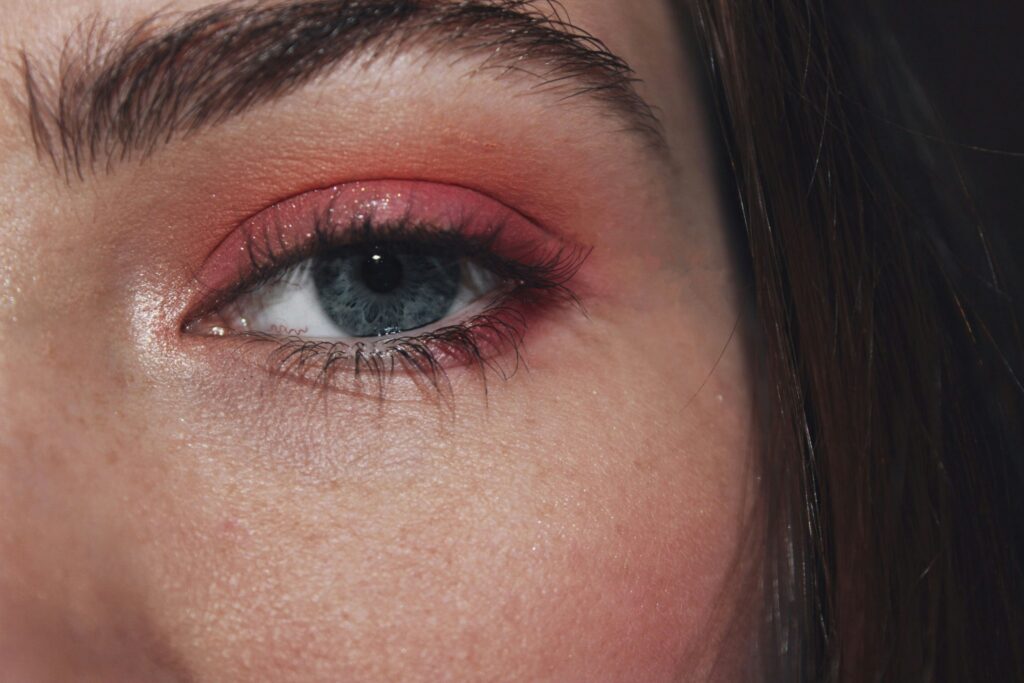
Dermal fillers are commonly used to restore volume, but when placed correctly, they can also enhance the appearance of the upper eyelid area. Volume in the area of the upper eye, temples, and forehead can make people appear weary when they age. The filler used can support structures around the upper eye to achieve a light lifting result.
A filler product cannot be placed in the eyelid for ptosis, however some patients can benefit in carefully chosen cases when filler is used to enhance facial balance.
The results generally last for several months to a year or more depending on the type of product used and metabolism of the individual.
Radiofrequency Skin Tightening
Radiofrequency (RF) treatments use controlled heat to stimulate collagen production beneath the skin’s surface.
Rather than producing an immediate dramatic lift, RF gradually improves skin firmness over several months as new collagen develops.
Potential Benefits
Radiofrequency may help:
- Tighten mild loose skin.
- Improve skin texture.
- Reduce fine lines around the eyes.
- Create a firmer appearance over time.
What to Expect
Most people require multiple treatment sessions, and results develop gradually rather than overnight.
The improvement tends to be subtle, making RF better suited for early signs of aging than advanced eyelid drooping.
Ultrasound Skin Tightening
Ultrasound-based treatments work by delivering focused energy into deeper tissue layers without damaging the surface of the skin.
The controlled heating stimulates collagen remodeling, which may gradually improve skin tightness over several months.
Unlike surgery, ultrasound treatments do not remove excess skin. Instead, they rely on the body’s natural healing response to strengthen existing tissues.
These treatments are generally considered most appropriate for people with:
- Mild skin laxity
- Early aging changes
- Good overall skin elasticity
Individuals expecting a dramatic eyelid lift should understand that improvements are typically modest.
Laser Skin Resurfacing
Laser resurfacing focuses primarily on improving skin quality rather than lifting weakened eyelid muscles.
By removing damaged outer skin layers and stimulating collagen production, certain laser treatments can reduce wrinkles, improve texture, and tighten superficial skin.
Potential improvements include:
- Smoother skin
- Reduced fine lines
- Improved skin tone
- Mild skin tightening
The recovery period varies based on the type of laser treatment you receive.Some treatments require only minimal downtime, while more intensive procedures may involve several days or weeks of healing.
Because the skin around the eyes is particularly delicate, laser treatments should only be performed by experienced professionals.
Plasma Fibroblast Therapy
Plasma fibroblast is gaining traction among cosmetic clinics for its use as a non-invasive treatment method that tightens the skin. The plasma fibroblasts therapy generates minute controlled wounds on the skin’s surface that signal the body to kick off collagen and wound healing mechanisms. There are claims made that mild laxity of the upper eyelid can be reduced after this procedure.
Nonetheless, it is essential to be informed about the scientific evidence behind this type of cosmetic therapy as long term effects of such practices haven’t yet been studied compared to the traditional medical treatments.
Individual outcomes of this procedure are likely to be variable. Poor execution could be prone to such side effects as scarring, skin discoloration and slow wound recovery. Consult a qualified health care professional prior to availing this plasma fibroblast treatment.
Medical-Grade Skin Care for the Eye Area
Skin care products won’t lift weakened eyelid muscles, but they can improve the quality and appearance of the surrounding skin.
Dermatologists often recommend products containing ingredients such as:
Retinoids
Retinoids encourage skin cell turnover and stimulate collagen production over time. Prescription-strength products generally produce greater effects than over-the-counter versions but may also increase irritation.
Peptides
Peptides are commonly included in eye creams because they support the skin barrier and may contribute to improved firmness with consistent use.
Hyaluronic Acid
This ingredient attracts moisture to the skin, helping reduce the appearance of fine lines caused by dryness.
Vitamin C
It’s a good thing that Vitamin C also acts as an antioxidant and helps with normal collagen production-and why it is a favored skin care ingredient when you’re thinking about anti-aging. Be consistent While changes will appear slowly, after days or weeks rather than applications.
Temporary Cosmetic Solutions
Not everyone wants medical treatment immediately. Fortunately, several cosmetic techniques can make droopy eyelids less noticeable.
Eyelid Tape
Eyelid tape temporarily lifts loose skin by creating a fold above the eyelid. It is commonly used for special occasions and photography.
Although many users like the immediate cosmetic effect, eyelid tape does not treat the underlying cause of drooping.
Eyelid Glue
Some cosmetic adhesives provide a similar temporary lifting effect.
Care should be taken to avoid getting adhesive into the eye, and products should always be used according to the manufacturer’s instructions.
Makeup Techniques
Experienced makeup artists often create the illusion of larger, brighter eyes by using:
- Matte eyeshadow above the crease
- Lifted eyeliner styles
- Highlighting the brow bone
- Curling the eyelashes
- Lengthening mascara
These methods won’t physically lift the eyelids, but they can significantly change how the eyes appear.
Popular Home Remedies: Do They Really Work?
Many viral beauty tips promise to teach people how to fix droopy eyelids without surgery, but not all of them are supported by evidence.
Cold Compresses
Cold compresses may temporarily reduce swelling caused by allergies, lack of sleep, or fluid retention. While they can make the eyelids appear less puffy, they do not lift weakened muscles.
Tea Bags
Use cold, wet green or black tea bags Green or black tea bags may be recommended due to their caffeine and antioxidants. The cooling and mild compression can help some temporarily decrease puffiness, but research has not proven they can fix ptosis.
Cucumber Slices
Cucumber can provide a cooling sensation that may help calm irritated skin for a short time. However, it does not tighten muscles or permanently improve drooping eyelids.
Egg White Masks
Some marketers advertise egg white masks as a natural way to tighten eyelids. While an egg white mask may feel tight on the skin as it dries, there is no scientific proof it permanently reduces droopy eyelids. As you consider homemade treatments fordroopy eyelids, it is useful to differentiate between measures that simply minimize puffiness in the short term versus those that work to combat the root cause of the problem.
Common Mistakes People Make
People searching for solutions often waste time or money because of unrealistic expectations. Avoiding these common mistakes can help you make better decisions.
Expecting Instant Results
Most non-surgical treatments require patience. Whether you’re using prescription skin care or undergoing collagen-stimulating procedures, noticeable improvement usually develops gradually.
Ignoring Medical Symptoms
A droopy eyelid accompanied by double vision, severe headache, facial weakness, unequal pupils, or sudden vision changes is not a cosmetic issue. These symptoms require urgent medical evaluation.
Believing Every Social Media Trend
Many viral videos demonstrate dramatic “before and after” results that may be influenced by lighting, makeup, camera angles, or photo editing. Evidence-based treatments are generally more reliable than internet trends.
Using Too Many Products at Once
Layering multiple active ingredients around the eyes can irritate delicate skin, leading to redness, dryness, and increased sensitivity. Introduce new products gradually and follow professional guidance when using prescription-strength treatments.
Expert Recommendations for Choosing the Right Non-Surgical Option
However, the best approach doesn’t always lie with the latest and most costly treatment-the key is to use a treatment that’s suited to what’s making your eyelids droopy. If your biggest concern is puffy, tired-looking eyes, improving your sleep, treating allergies, and using the right skincare products may be enough to help. treatment that you need. In cases where mild acquired ptosis is an issue, prescription eyedrops or carefully chosen aesthetic treatments could provide better outcomes.
Those who suffer from sagging skin associated with aging may be better candidates for treatments that encourage collagen stimulation, such as radiofrequency or ultrasound.
The best treatment plan starts with the proper diagnosis, along with trusted health and wellness resources to help you make informed decisions. Once you know what’s causing your droopy eyelids, you will be well-positioned to work with a qualified professional to figure out what options might truly offer you improvement.
How Soon Can You Expect Results?
One of the most common questions people ask when learning how to fix droopy eyelids without surgery is how quickly they can expect improvement. The answer varies depending on the method you choose and the underlying cause of your droopy eyelids.
Making lifestyle adjustments – like getting more sleep, minimizing allergies and keeping well-hydrated – can start to reduce puffiness in just a few days or weeks. When eye drops are indicated, they can give your eyes an immediate, temporary boost that fades after a few hours. Collagen-boosting techniques such as radiofrequency, ultrasound and laser resurfacing take longer; it can take several weeks or months for your body to generate new collagen for a noticeable difference.
Your provider might suggest multiple sessions to optimize results.
Non-surgical methods yield generally mild to moderate, not dramatic, changes, so establish appropriate goals with your physician before undergoing any procedure.
When Surgery May Be the Better Option
Although many people can improve mild drooping without an operation, surgery remains the most effective treatment for significant ptosis.
A healthcare provider may recommend surgery if:
- The eyelid blocks part of your vision.
- The levator muscle has become severely weakened or stretched.
- Congenital ptosis affects normal vision development.
- Non-surgical treatments have failed to provide adequate improvement.
- A medical examination confirms structural problems that cannot be corrected with conservative care.
Modern eyelid surgery is typically performed by an ophthalmologist with specialized training or an oculoplastic surgeon. The procedure is designed to restore the eyelid’s position while preserving natural eye function.
Choosing surgery does not mean non-surgical options have failed—it simply means the underlying problem requires structural repair rather than cosmetic improvement.
Can You Prevent Droopy Eyelids?
Not every case of droopy eyelids can be prevented. Aging and genetics remain two of the biggest factors. However, healthy habits may help slow age-related skin changes and reduce temporary eyelid heaviness.
Protecting your skin from excessive sun exposure is one of the most effective preventive measures. Daily sunscreen and UV-blocking sunglasses help reduce collagen breakdown caused by ultraviolet radiation.
Avoiding chronic eye rubbing is equally important. Frequent rubbing can stretch the delicate skin around the eyes, especially in people with allergies. Treating itchy eyes promptly can reduce unnecessary irritation.
A healthy lifestyle also supports long-term skin quality. Regular sleep, balanced nutrition, hydration, smoking avoidance, and management of chronic health conditions all contribute to healthier skin and better tissue repair.
While these habits cannot guarantee you will never develop droopy eyelids, they can support healthier aging and reduce avoidable damage.
Comparing Non-Surgical Options
| Treatment | Best For | Results | Duration |
| Lifestyle changes | Puffiness, fatigue, mild swelling | Mild improvement | Ongoing with healthy habits |
| Prescription eye drops | Mild acquired ptosis | Temporary eyelid lift | Several hours per application |
| Medical-grade skincare | Skin texture and firmness | Gradual improvement | Requires continued use |
| Botox | Mild brow descent | Temporary brow lift | Around 3–4 months |
| Dermal fillers | Volume loss around brows | Subtle lifting effect | Several months to over a year |
| Radiofrequency | Mild skin laxity | Gradual tightening | Months; maintenance may be needed |
| Ultrasound therapy | Early aging changes | Gradual skin tightening | Long-lasting but not permanent |
| Laser resurfacing | Wrinkles and loose skin | Improved texture and mild tightening | Varies by treatment |
This comparison highlights that each option addresses a different aspect of droopy eyelids. No single treatment works for every person, which is why a professional evaluation is often worthwhile.
Signs You Should See a Doctor Immediately
While gradual droopy eyelids are often related to aging or cosmetic concerns, sudden eyelid drooping can signal a serious medical condition.
Seek immediate medical attention if your droopy eyelid develops suddenly and is accompanied by:
- Double vision
- Sudden vision loss
- Severe headache
- Facial numbness or weakness
- Difficulty speaking
- Unequal pupil size
- Eye pain after an injury
These symptoms may indicate a neurological emergency rather than a cosmetic issue and should never be treated with home remedies alone.
Key Takeaways
If you’re searching for how to fix droopy eyelids without surgery, it’s important to understand that successful treatment starts with identifying the cause. Mild drooping caused by aging, allergies, or skin laxity may improve with healthy lifestyle habits, prescription therapies, skin-tightening procedures, or temporary cosmetic techniques. However, severe ptosis caused by muscle or nerve problems usually requires medical evaluation and, in some cases, surgical correction.
Natural remedies can support healthier skin and reduce puffiness, but they cannot permanently repair weakened eyelid muscles. Likewise, cosmetic procedures may enhance appearance without addressing structural problems. The most effective strategy is one that matches the treatment to the underlying condition.
Conclusion
Learning how to fix droopy eyelids without surgery begins with realistic expectations and an accurate diagnosis. Non-surgical treatments have advanced considerably and now offer several ways to improve mild to moderate drooping without an operation. Depending on the cause, options such as prescription eye drops, radiofrequency treatments, laser resurfacing, medical-grade skincare, and healthy lifestyle habits can all contribute to a fresher, more open-eyed appearance.
All said, the bottom line is, there is no such thing as a “one-size-fits-all” answer to a non-surgical solution. Many of these interventions will provide relief to one person and for a temporary amount of time, whereas others may offer long term, and somewhat gradual, relief by kick starting collagen, helping with inflammation or even helping clear things away from vision to enable someone to see the world, or just be more beautiful!
Should any such symptoms impact a person’s vision, and for any sudden or progressive concerns despite the non-surgical interventions, it may then be prudent to speak with an ophthalmologist or oculoplastic surgeon. When understanding these things you can also decide for yourself how best to help your eyes and have good and real results for your future and years to come.
Frequently Asked Questions
1. Can droopy eyelids improve naturally?
Yes, if the drooping is caused by temporary swelling, fatigue, or allergies, it may improve once the underlying issue is resolved. However, age-related ptosis or muscle weakness usually does not reverse on its own.
2. Are eye exercises effective for droopy eyelids?
Eye exercises may help reduce eye fatigue and improve muscle awareness, but there is limited scientific evidence that they can permanently lift true droopy eyelids caused by weakened eyelid muscles.
3. What is the best non-surgical treatment for droopy eyelids?
There is no single best treatment for everyone. Prescription eye drops, radiofrequency therapy, laser resurfacing, Botox, or medical-grade skincare may all be appropriate depending on the cause and severity of the drooping.
4. Can an eye cream lift droopy eyelids?
Eye creams can improve hydration, skin texture, and the appearance of fine lines. However, they cannot repair weakened muscles or permanently lift significantly drooping eyelids.
5. Is Botox better than surgery for droopy eyelids?
Botox can provide a subtle brow lift in selected individuals, but it is not a replacement for surgery when true ptosis significantly affects vision or results from structural muscle weakness.
6. When should I worry about a droopy eyelid?
You should seek immediate medical care if a droopy eyelid appears suddenly or is accompanied by double vision, severe headache, facial weakness, unequal pupils, or changes in speech or vision.
7. Can allergies make eyelids look droopy?
Yes. Allergies can cause swelling, inflammation, and frequent eye rubbing, all of which can make the upper eyelids appear heavier. Treating the allergy often improves the appearance.