It is the film that nearly everyone ignores until their dentist mentions it to them in order to address issues that include bleeding or bad breath,or when your teeth start to feel rough or shaggy. This unseen film exists on your teeth as part of life’s process, whether you brush every night or not. Learning how to remove plaque from teeth is one of the simplest and most important steps you can take to protect your oral health, prevent cavities, and reduce your risk of gum disease.
The good news is that if you’re learning how to remove plaque from teeth, plaque is soft and can usually be eliminated with proper daily oral hygiene before it hardens into tartar. Once tartar develops, however, it cannot be removed with a toothbrush alone and requires professional dental cleaning. Understanding this difference helps explain why how to remove plaque from teeth is best achieved through consistent brushing, flossing, and preventive dental care rather than relying on occasional deep cleaning.
In this how to dental guide we discuss; What is dental plaque? Why does it form? The best and safest methods for removing it; ways that you can be contributing to plaque accumulation and when you’ll need to seek professional care.
What Is Dental Plaque?
If you’re wondering how to remove plaque from teeth, it helps to first understand what plaque actually is. Dental plaque is a sticky, colorless or pale yellow biofilm made up of bacteria, saliva, food particles, and bacterial byproducts. It constantly forms on the surfaces of teeth, along the gumline, between teeth, and even on the tongue, which is why learning how to remove plaque from teeth through consistent daily oral hygiene is essential for maintaining healthy teeth and gums.
Right away, as you brush the minute you are finished. Naturally occuring oral bacterias adhere to teeth and also eat the starches as well as sugars that linger in the mouth from eating. As the bacteria spread, they form a clear, sticky film that results in your teeth to build a film of dental plaque.
While oral plaque is natural and usually harmless on teeth, once you enable it to accumulate it is actually the perfect incubator for acid creating bacterias.
Bacteria give off the acids that wear off the top layer of your enamel and also hurt gum tissues, triggering cavities as well as an array of other periodontal illnesses.
Why Removing Plaque Matters
Cosmetic Concern Or Dangerous Disease Most of us may believe that plaque is just an annoyance that can lead to teeth feeling dingy or “fuzzy”. The fact is, most common tooth and gum problems begin with the development of plaque. If plaque is removed thoroughly daily, it typically doesn’t cause much harm.
But if it remains on the teeth, bacteria work overtime.
They multiply and continually produce acid and toxins that slowly destroy not only the teeth but also the gums.
Long-term plaque buildup may contribute to:
- Tooth decay
- Gingivitis
- Periodontitis
- Persistent bad breath
- Gum recession
- Tooth sensitivity
- Tooth loss in severe cases
- Tartar formation
Preventing plaque accumulation is considerably easier, less expensive, and less invasive than treating advanced dental disease later.
How Plaque Turns Into Tartar
One of the more common oral hygiene mistakes is believing that plaque and tartar are one and the same. In fact they are very closely related, yet very different. Plique is asoft and sticky film that generally can be removed with effective brushing and flossing.
Tartar is formed on teeth when plaque has been ignored and is left on your teeth for approximately 24-72 hours, which causes it to absorb minerals from your saliva and harden.
They can be found on teeth as an extremely hard substance that sticks rigidly onto your teeth. Unlike plaque, it is extremely difficult to remove using a tooth brush and toothpaste or other remedies from your home. This sticky film is so solid that only the professional tools dentists use can completely remove it without harming your teeth.
Understanding this process highlights why learning how to remove plaque from teeth before it hardens is essential for maintaining long-term oral health.
You might have way too much plaque in your mouth – Symptoms The first part of tackling plaque-induced problems like cavities and gingivitis is noticing they are actually occurring! Since plaque can be a clear or whitish film that is easy to overlook, most people have signs in their mouths warning them that it is being overproduced by the bacteria in their mouth. Here are a few common signs that point to having way too much plaque in your mouth:
Teeth Feel Fuzzy
A rough or slightly sticky feeling, especially after waking up, often indicates plaque accumulation.
Persistent Bad Breath
Bacteria living within plaque release sulfur compounds that contribute to unpleasant breath odors.
Bleeding During Brushing or Flossing
Bleeding during brushing or flossing may be an early warning sign of gum inflammation. Learning about Wisdom Teeth Recovery can help you recognize when it’s time to improve your oral hygiene or visit a dentist.
Healthy gums generally should not bleed. Minor bleeding may signal early gum inflammation caused by plaque near the gumline.
Yellow Film Near the Gums
Plaque often becomes more noticeable where the teeth meet the gums.
Red or Swollen Gums
Inflamed gums frequently develop when plaque remains undisturbed for several days.
Visible Hardened Deposits
Brown or yellow hardened material near the gumline usually indicates tartar rather than plaque.
How to Remove Plaque From Teeth Safely at Home
Most plaque can be removed at home when good oral hygiene habits are followed consistently. Rather than relying on quick fixes or viral internet hacks, focus on evidence-based practices that dentists recommend.
Brush Twice Every Day
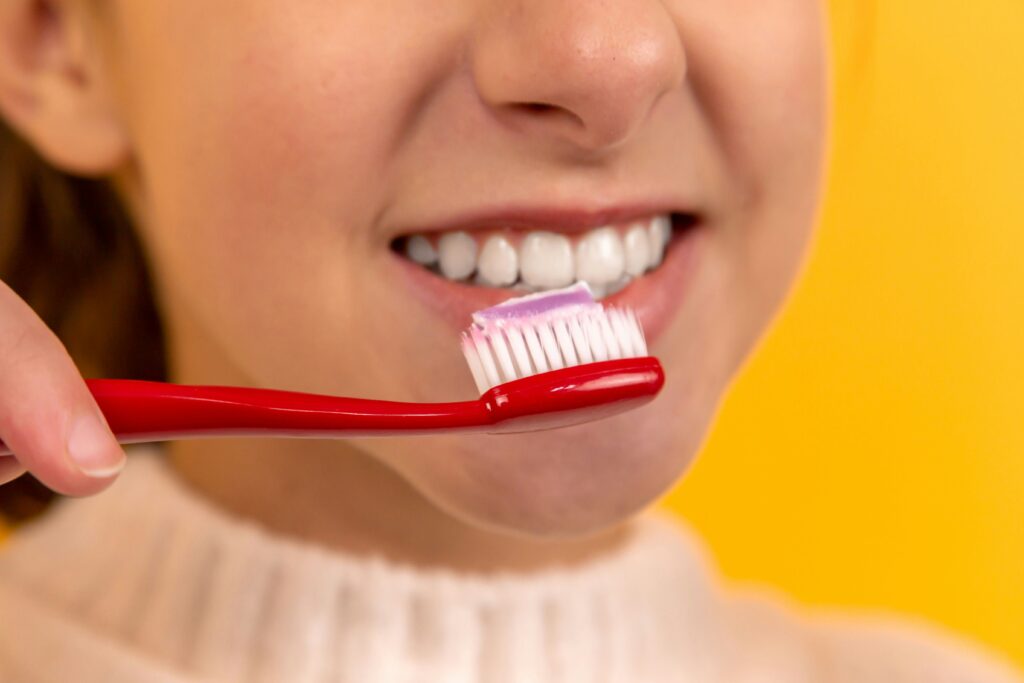
Brushing still is essential. Brush twice each day. Use a light scrubbing motion, brushing with small circular motions, as opposed to the vigorous back and forth movement.
Be careful to gentlybrush along with and at the top and bottom on the gums, the molars and also up and also down all-the way around.
The majority of hygienists and also dentists consider that soft-bristled toothbrushes best since they efficiently scrub as opposed to abradem the dental enamel as well as do not trigger gums to pull back and additionally recede. Replace your tooth brush or your electric-toothbrush replacement each three-four months.
Choose Fluoride Toothpaste
Although toothpaste alone only works mechanically to whisk off the surface of the tooth, Fluoride toothpaste works within the tooth to strengthen enamel and help reverse early acid damage. Learning how fluoride protects tooth enamel explains why dentists recommend using fluoride toothpaste every day. Some kinds of Toothpaste even have things added to them that target reducing the building of Toothpaste and make your gums healthier. So it’s true that Toothpaste won’t get rid of Toothpaste on its own, but you do a much better job of your teeth with it.
Floss Every Day
Even with the most thorough brushing, it’s hard to reach all of the spaces between the teeth in order to clean it completely.
Flossing with each brush not only prevents plaque from hardening into tartar and reduces the rate of cavities from developing between the teeth, but also prevents inflammation from occurring under.the gums, where many early signs of gum disease first appear. Just be sure to move it gently in and around each tooth, with care not to push it directly into the gums.
Clean Your Tongue
Thousands of tiny crevices on your tongue provide a resting spot for bad breath generating bacteria and bacteria that form plaque all over the inside of your mouth. Whether using a tongue scraper or just brushing your tongue as part of your daily oral care, you effectively get rid of bacteria that leads to an undesirable odor and a healthier mouth. While a tongue scraper isn’t getting plaque off the surfaces of your teeth directly, it removes the amount of bacteria all together.
Use an Antimicrobial Mouthwash
While mouthwash shouldn’t replace brushing and flossing, it can support a dental care routine. When used as a rinse, mouthwash, particularly antimicrobials, reduces plaque-building bacteria and gingivitis-causing bacteria. Fluoride mouthwash can even help form a layer over enamel that can prevent cavity formation. Always brush your teeth and floss immediately after drinking or eating anything – a rinse with mouthwash should come at the very end, or as directed by your dentist.
Drink More Water Throughout the Day
Water Benefits Oral Hygiene Water washes debris from food from your mouth, dilutes acid created by bacteria, and promote optimal saliva production. Saliva acts as a natural cleaning mechanism for your mouth, as well as a way to protect tooth enamel. Dry mouth causes teeth to accumulate plaque at a faster rate due to the loss of oral hydration; a lack of water eliminates its natural barrier to build up. By opting for water over drinks loaded with sugar, you create a less appealing meal for plaque to develop.
Reduce Frequent Sugar Consumption
These bacteria thrive on sugars and refined carbohydrates. After eating or drinking sweet things, plaque bacteria multiply in our mouth and secrete acids that erode the tooth enamel . Do not only consider the amount of sugar you drink, but how often do you take snacks.
Repeated high concentration stimulation throughout the day exposes our plaque bacteria frequently, so we keep our bacteria working all day.
So if we always keep sugarsnacks after we finish them rinsing it helps to avoid harm.
Eat Tooth-Friendly Foods That Naturally Clean Your Teeth
No food can replace brushing and flossing, but some choices help reduce plaque buildup by stimulating saliva, mechanically cleaning tooth surfaces, or supplying nutrients that support oral health.
Crunchy Fruits and Vegetables
Apples, carrots, celery, and cucumbers often take more chewing that leads to more saliva production. Saliva can wash out food and the acids generated by plaque bacteria and these foods have mild abrasive qualities, too. Though, remember that these foods shouldn’t be used to substitute brushing.
Dairy Products
The calcium in milk, unflavored yogurt and cheese (all from the dairy family) along with the in cheese strengthen teeth: the first two can protect your tooth enamel while cheese might boost your production of saliva, which stymies the bacteria that can cause plaque.
Fiber-Rich Foods
Whole grains, leafy greens, beans, and legumes promote overall oral health while encouraging more chewing and saliva production.
Green and Black Tea
In unsweetened tea are naturally-occurring compounds, called polyphenols, which can potentially inhibit the growth of some bacteria that may lead to plaque formation. Though studies are incomplete, tea should be viewed as a complement – not as a substitute for proper oral care.
Should You Use an Electric Toothbrush?
Numerous persons are curious, ” Do electric toothbrushes actually make a change?” A review indicates the both manual as well as electric tooth brushes are able to remove a quantity of plaque as well as tartar if performed correctly. On the flip aspect of points, the revolving activity as well as the timed 2 moment cleaning timer present a bonus for some.
An electric toothbrush is often recommended for:
- People with braces
- Older adults
- Individuals with arthritis or limited hand mobility
- Children learning proper brushing habits
- Anyone who struggles with brushing thoroughly
Regardless of the type you choose, proper brushing technique remains more important than the toothbrush itself.
Can Home Remedies Remove Plaque?
The internet is full of home remedies claiming to remove plaque naturally. Some pose little risk, while others can negatively affect your dental health.
Baking Soda
A slight abrasive, baking soda is used in some toothpastes. Used now and then the appropriate way, baking soda could be utilized to erase a couple of surface spots and battle plaque buildup. But using straight baking soda to harshly clean a few times per week is never a substitute to a fluoride paste.
Coconut Oil Pulling
Another oral hygiene practice which has recently became widely used by people is Oil Pulling. Oil Pulling has been recommended to be helpful in killing bacteria found in your body. But, to date, no scientific trials has provided proof that oil pulling is capable enough to take replace of your toothpaste and brush,DentalFloss or mouth rinse. Professional Dental cleaning should be opted.
Saltwater Rinse
Gums can temporarily feel soothed with warm salt water and bacteria can temporarily reduce with the use of salt water gargle – this has uses after a procedure and in cases of mild gingivitis- it doesn’t actively de plaque the teeth.
Apple Cider Vinegar, Lemon Juice, and Other Acids
Abrasive methods are in addition very effectively demonstrated on-line, promising all pure acid plaque removers. However the acid really wears off tooth, will make tooth further sensitive and susceptible to tooth decay. Avoid this strategy.
Common Mistakes That Allow Plaque to Build Up
Many people believe they have good oral hygiene habits, yet small mistakes can allow plaque to accumulate over time.
Brushing Too Quickly
A quick 30-second brushing session rarely cleans every surface of the teeth. Most dentists recommend brushing for at least two full minutes.
Brushing Too Hard
Aggressive brushing does not remove more plaque. Instead, it may wear away enamel and contribute to gum recession. Gentle, consistent brushing is far more effective.
Skipping Flossing
Plaque between teeth cannot usually be removed by brushing alone. Neglecting flossing leaves bacteria undisturbed in these areas.
Ignoring the Gumline
Plaque commonly collects where the teeth meet the gums. Cleaning this area gently each day helps prevent gingivitis.
Waiting Too Long to Replace Your Toothbrush
Frayed bristles become less effective at removing plaque. Replace your toothbrush or electric brush head every three to four months or sooner if the bristles show visible wear.
Snacking Frequently on Sugary Foods
Constant grazing gives plaque bacteria a steady supply of sugar, increasing acid production throughout the day.
When Plaque Has Already Hardened Into Tartar
If plaque is left on the teeth long enough, it hardens into tartar, also called calculus.
Unlike soft plaque, tartar bonds firmly to the tooth surface and cannot be removed safely with home tools. Attempting to scrape it off yourself with metal instruments or sharp objects may scratch enamel, injure the gums, or increase the risk of infection.
Professional dental cleanings use specialized instruments to remove tartar without harming the teeth. Understanding what is dental scaling and polishing can help you know what to expect during a routine cleaning appointment. In some cases, ultrasonic scalers are used to break apart hardened deposits before polishing the teeth.
If you notice yellow, brown, or rough deposits that remain after brushing, scheduling a dental cleaning is the safest course of action.
Professional Treatments for Plaque and Tartar Removal
Home care is essential, but professional dental visits remain an important part of long-term plaque control.
Routine Dental Cleaning
A standard cleaning removes plaque, tartar, and surface stains from areas that are difficult to clean at home.
Deep Cleaning
If gum disease has developed, your dentist may recommend scaling and root planing. This procedure removes plaque and tartar below the gumline while smoothing the tooth roots to help the gums heal.
Oral Hygiene Instruction
Many dental professionals also provide personalized guidance on brushing technique, flossing methods, and product recommendations based on your specific needs.
Regular dental visits help identify problems before they become painful or require more extensive treatment.
Who Is More Likely to Develop Plaque Quickly?
Although everyone develops plaque, certain factors increase the likelihood of rapid buildup.
These include:
- Inadequate brushing or flossing
- Dry mouth related to prescription medications or underlying medical conditions
- Smoking or tobacco use
- Frequent sugary snacks or drinks
- Orthodontic braces
- Crowded or overlapping teeth
- Poorly fitting dental restorations
- Certain chronic health conditions that affect saliva production
Understanding these risk factors can help you adjust your oral hygiene routine and seek professional advice when necessary.
Daily Routine to Keep Plaque Under Control
Learning how to remove plaque from teeth is only part of the solution. Preventing plaque from accumulating again requires consistency rather than occasional intensive cleaning.
A practical daily routine includes:
- Brush your teeth for two minutes every morning and night with fluoride toothpaste.
- Floss carefully once each day.
- Clean your tongue.
- Rinse with an appropriate mouthwash if recommended.
- Drink water regularly throughout the day.
- Limit frequent sugary snacks and beverages.
- Schedule routine dental checkups and professional cleanings.
- Get a new toothbrush every three to four months to keep it effective.
Following these habits consistently provides far greater benefits than relying on occasional deep-cleaning efforts.
Myths About Dental Plaque
Several misconceptions continue to circulate online and may prevent people from caring for their teeth effectively.
| Myth | Reality |
| Plaque only affects older adults. | Plaque forms on everyone’s teeth, including children. |
| Mouthwash alone removes plaque. | Mouthwash supports oral hygiene but cannot replace brushing and flossing. |
| If my gums bleed, I should stop flossing. | Mild bleeding is often a sign of inflammation caused by plaque. Gentle, consistent flossing usually helps improve gum health over time. |
| Tartar can be scraped off safely at home. | Hardened tartar requires professional removal to avoid damaging teeth and gums. |
| Whitening toothpaste removes plaque completely. | Whitening products mainly target stains, not all plaque deposits. |
Conclusion
Knowing how to remove plaque from teeth is one of the most valuable investments you can make in your long-term oral health. Naturally, plaque forms on your teeth every day. However, that doesn’t mean that it needs to progress to decay, gum disease, and costly dental procedures. Using proven healthy habits, such as brushing twice a day with a fluoride toothpaste, flossing, tongue scraping, moderating the amount of sugar you consume (especially snacks), and increasing your water intake, you can remove a vast portion of it before it hardens.
Remember, however, that at-home care can only go so far. Once the plaque becomes tartar, you can never safely remove it with toothpaste, mouthwash, home remedies, and so on. Professional cleanings from a dentists are a must.
Don’t try to find “quick fix” tips or follow any trending at-home dental regimens you find online. Create sustainable brushing habits that you can stick to for many years to come.

Frequently Asked Questions
1. What is the fastest way to remove plaque from teeth?
The fastest and safest way to remove plaque is by brushing for two minutes with fluoride toothpaste, flossing between teeth, and cleaning your tongue. If plaque has already hardened into tartar, a professional dental cleaning is the only effective removal method.
2. Can plaque be removed without visiting a dentist?
Yes. Soft plaque can usually be removed at home through proper brushing, flossing, and good oral hygiene. However, once it mineralizes into tartar, it cannot be safely removed without professional dental instruments.
3. How long does it take for plaque to turn into tartar?
Plaque can begin hardening into tartar within approximately 24 to 72 hours, although the exact timing varies depending on saliva composition, oral hygiene habits, and diet. Removing plaque daily helps prevent this process.
4. Does mouthwash remove plaque?
Mouthwash can minimize the bacteria and improve bad breath but is unable to mechanically detach the plaque from the surface of teeth. Therefore it needs to be used with the brushing and flossing techniques, and not as a replacement to oral health practices.
5. Can baking soda remove plaque?
Baking soda can help clean teeth and remove some surface stains when used appropriately, and it is a common ingredient in many toothpastes. However, it should not replace fluoride toothpaste or regular brushing and flossing.
6. Why do I still get plaque even though I brush every day?
Why do teeth immediately start forming plaque again once your dentist scrapes the plaque away? Because there are countless, tiny little micro-creatures in your mouth – living with us – constantly building this plaque. If you don’t brush properly, stop brushing for a bit too long, don’t use string, are suffering with dry mouth, are an indiscriminate snacker of sugary items or just have a bad brushing motion you, you will keep build up this plaque on a daily basis.
7. How often should I have my teeth professionally cleaned?
A thorough cleaning at your dentist’s is typically beneficial once every six months for most people, although if you have severe periodontal disease, gum disease, build-up of calculus/tartar on your teeth, wear braces, or other oral health challenges you may require it more often – again, as your dentist directs.