The dental filling mends a cavity, and it’s not uncommon for the restored tooth to feel a bit off for a little while. A filling could lead to cold sensitivity, pain when chewing, and/or a dull pain. Mild cold sensitivity typically is the sign of the new filling’s adjustment to the tooth, and short-term sensitivity is a normal side effect of a filling or recently administered dental procedure.
However, it’s important to discern a “normal” feeling from something that warrants a call to your dentist, as the nature of a pain will vary with the cause. Brief sensitivity to a cool drink does not feel the same as a throbbing ache, for instance, nor does pain upon chewing feel the same as pain that occurs after consuming a hot and then cool drink.
So, why does my tooth hurt after a filling? Temporary irritation of the tooth’s nerve can occur. It could also be due to the fitting of the filling or that the initial cavity was very deep. It could even indicate a fault within the nerve or pulp. Recognizing these differences will allow you to determine whether to allow the tooth time to recover or if it is necessary to contact your dentist for assistance.
Is Tooth Pain After a Filling Normal?
There can be some discomfort after a filling. A filling requires a dentists’ procedure of removing decay, cleaning it, preparing the tooth, placing material, and then the surrounding soft tissues and the tooth itself can feel a little sore and sensitive after this takes place. Cleveland Clinic advises there can be slight tooth sensitivity and sore gums which usually get better after a week or two, consistent with guidance on tooth sensitivity after a filling.
I think the most crucial aspect of this is identifying if symptoms are the more benign sensitivity type (where there is gradual relief of the pain) and in contrast an unpleasant, severe tooth pain that either is not diminishing, is worsening, is the subject to other complications or which feels a bit more intense.
For example, when you are consuming cold or hot products there may be slight sensitivity, you may also feel a slight soreness while eating. This does not necessarily signify the filling has not worked or a complication has arisen. Tooth pain that seems to be worsening, especially with any degree of swell, intense throb, fever, or chronic pain needs to be addressed.
What Does Normal Sensitivity Feel Like?
In terms of sensitivity the post-filling one tends to follow a predictable course. For example, you might have a mouthful of cold water with a short sharp ache at the treated tooth that passes as quickly as soon as you take it away.
It may well hurt a little when you bite in for the first few days.
It’s the pattern overall that’s important and is not getting worse! If things feel better at 2pm than they were at 12 noon and will hopefully have settled completely by tea time that’s better than if it’s a much more intense ache that’s going to last all day, that doesn’t feel any better.
Why Does My Tooth Hurt After a Filling?
There are several possible explanations, and the type of pain provides useful clues.
Temporary Irritation Inside the Tooth
The substances inside your tooth have likely been irritated by the dental procedure; even more likely if the original cavity was a bit deep.It doesn’t necessarily mean that anything went wrong.Inside your tooth, there is pulp which is a living body made up of blood vessels and nerves. If decay had reached further inward to the pulp, the tooth will be more sensitive to treatment.
These factors could result in sensitivity to hot or cold stimuli, or to pressure while the tooth is getting used to having a filling in.
The Filling May Be Slightly Too High
Biting pain is the one that has a particular cause.
If a filling is very slightly higher than the rest of the tooth and every time that you bite down and come together your tooth is the first one that takes the full weight – you feel as if the tooth which has been filled is taking first the bite. This does not mean that the new restoration itself is unwell – it can be repaired rather simply. A dentist can test the bite and if it needs to be shaped down, they will do just that. It is a particularly noted feature on the Cleveland Clinic website of a failing filling if it can lead to biting pain.
The Original Decay Was Deep
A large or deep cavity can affect the tooth more than a small surface cavity.
If the decay had encroached near the pulp, the nerve had already been annoyed at the time the filling was placed. Placement and removal of the decay does not necessarily immediately cure the irritation. The pulp might heal or it might have been irritated enough to warrant further dental treatment. That is one consideration why the depth and position of original cavity affects pain post restoration.
What Different Types of Pain Can Mean
The location, timing, and trigger of your discomfort can provide useful information, although only a dentist can determine the actual cause.
Pain From Cold
Brief sensitivity to cold can occur after a filling. You may notice it with ice water, cold beverages, or certain foods.
If the sensation is short-lived and gradually decreases, the tooth may simply be recovering from the procedure.
More concerning is intense cold sensitivity that continues after the cold stimulus is gone. Persistent temperature-related pain can indicate irritation or damage involving the pulp and may require professional evaluation.
Pain From Heat
Pain to heat and how severe it is, should be considered if long-lasting. It is important to distinguish between normal post-operative recovery and how a deeply pulp inflamed tooth responds to hot or cold, therefore long-lasting pain after taking heat should be investigated rather than regularly retreated.
Pain When Biting
Pain when chewing can sometimes indicate that the restoration is interfering with your bite.
It can also occur when tissues around the tooth are irritated or when there is another underlying problem.
If biting pain continues instead of improving, contact the dentist who placed the filling. A bite examination can help determine whether the restoration needs adjustment.
Spontaneous or Throbbing Pain
Pain that starts without eating, drinking, touching, or biting is more concerning than brief sensitivity triggered by a cold drink.
An ache in the teeth that throbs can be indicative of pulp inflammation in the tooth. Further investigation can be done on the tooth if the toothache is extremely painful or prolonged.
CLEVELAND CLINIC says that a throbbing ache of the teeth may mean that the cavity reached the pulp and at times root canal treatment could be needed.
How Long Should Tooth Sensitivity Last After a Filling?
There is not one specified time which the filling must recover. Factors such as the size and the type of filling used, the state of the tooth at the time of treatment and your sensitivity toward it play factors. Generally, slight sensitivity should resolve within few days.
Cleveland Clinic said that any minor tenderness or tooth pain at the filling site along with gum tenderness generally is temporary and typically resolves within a couple of weeks.
Changes in a consistent direction are particularly informative; a tooth that is getting consistently better is much more reassuring than a tooth with symptoms that continue to get worse. Don’t wait the required few days if you’re having excessive pain. Severe pain, swelling to the face or jaw, fever, chills or other symptoms of infection demand immediate treatment from your dentist.
What You Can Do for Temporary Discomfort
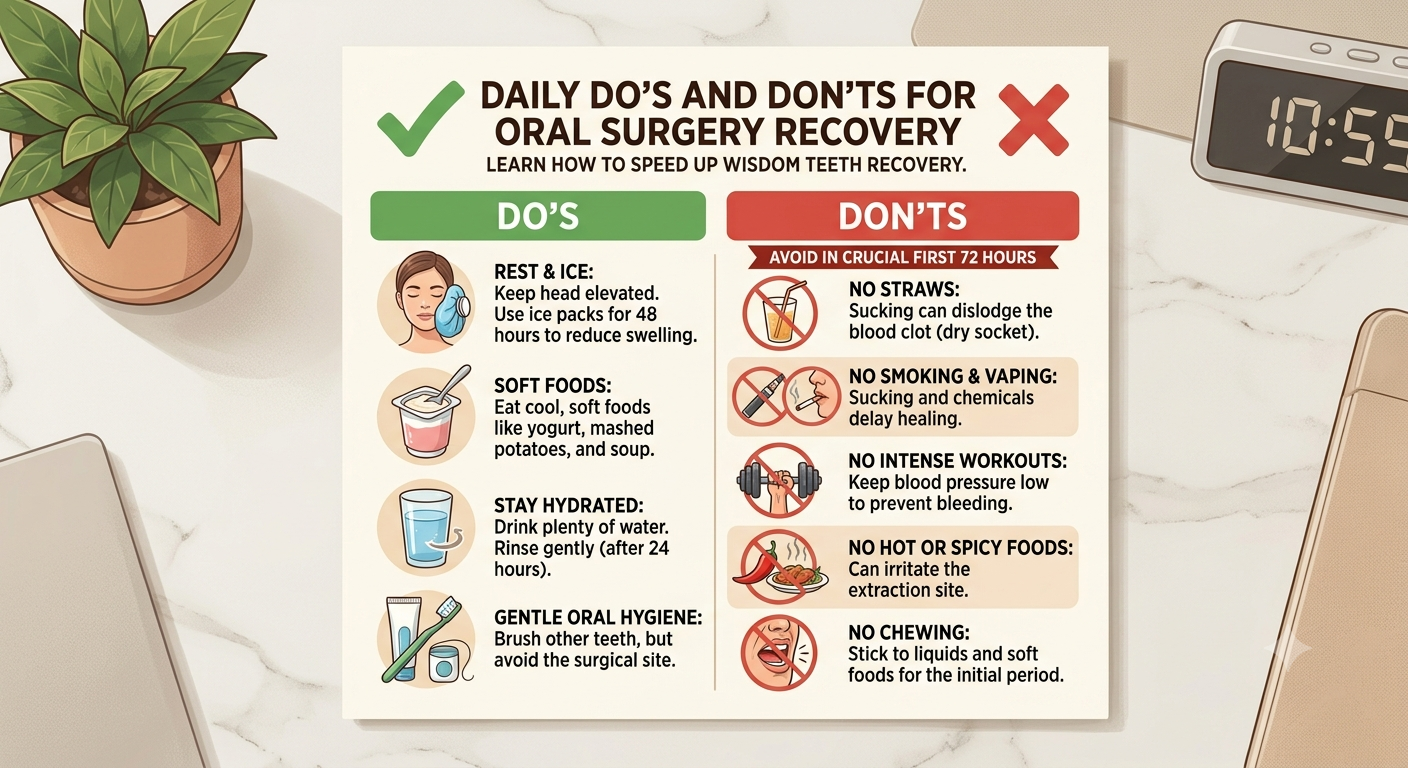
If the treated tooth has mild sensitivity and there are no concerning symptoms, a few practical measures may make the recovery period easier.
Avoid Extreme Temperatures
For a few days, consider limiting very hot and very cold foods or drinks if they trigger discomfort.
Room-temperature foods may be easier to tolerate while the tooth settles.
Chew Carefully
If chewing on the treated side is uncomfortable, use the opposite side temporarily. This can reduce pressure on the tooth while you monitor whether the sensitivity is improving.
If biting remains painful, though, do not simply continue avoiding the tooth indefinitely. Persistent chewing pain should be evaluated.
Maintain Normal Oral Hygiene
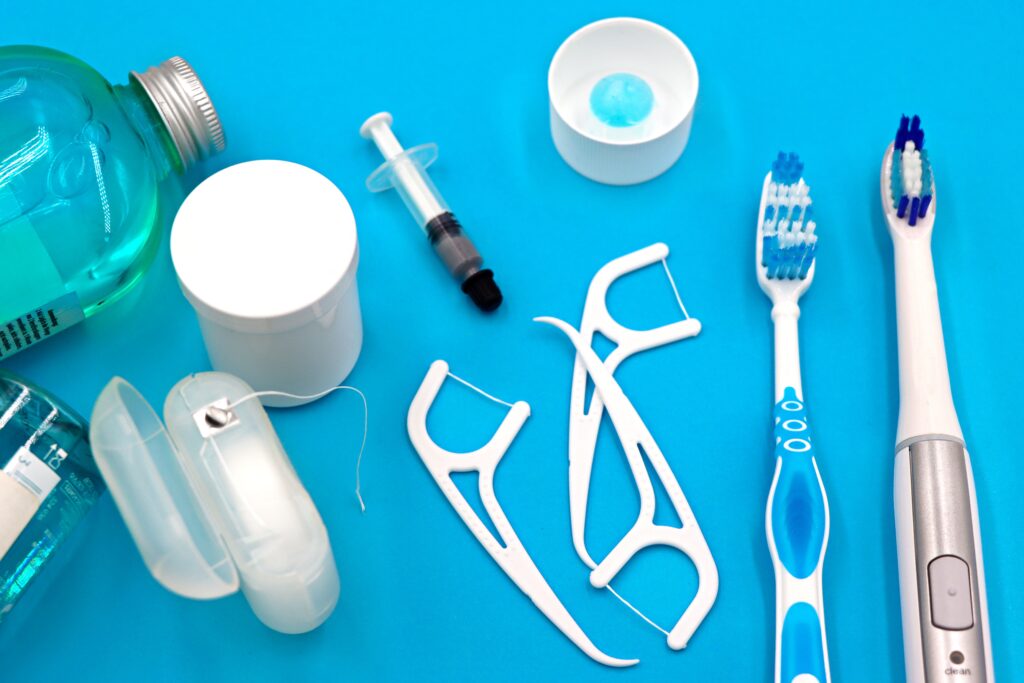
Sensitivity doesn’t mean you need to stop brushing and flossing. Keep the area clean, but take care to be gentle. Good oral hygiene will keep the tooth and gum tissue healthy during the settling period of the restoration, especially when following proper oral hygiene and dental care tips.
Soft-bristled toothbrushes and soft brushing can sometimes be of benefit to people with sensitivity.
An article on the ADA website mentions potassium nitrate, stannous compounds, and arginine as common ingredient in sensitivity toothpastes and how they help to block the tubules in dentin and provide sensitivity relief.
Consider Appropriate Over-the-Counter Pain Relief
Everyday, over-the-counter non-narcotic pain medications may provide relief for patients with acute dental pain on an immediate basis where appropriate. It is the policy of the ADA that OTC oral pain medications be initially suggested as, “…an NSAID used alone or with acetaminophen in the short-term management of acute dental pain.”
Not every patient is a candidate to take every medication. Adhere strictly to directions on the product label, taking into consideration of: any existing medical condition, drug allergies, prescription medications or OTC drug interactions, and recommendations made by your dentist.
Pain relief should not be used to mask worsening symptoms indefinitely.
When the Filling Itself May Need Adjustment
A filling is supposed to restore the tooth’s shape and function. If its surface sits too high, however, your bite may feel different.
You might notice:
- One tooth contacting first when you bite.
- Pain when chewing harder foods.
- Tenderness that seems focused around the treated tooth.
- A feeling that your teeth no longer meet normally.
These symptoms can be particularly noticeable once the local anesthetic has worn off and you begin using the tooth normally.
A dentist can check how the teeth come together and determine whether the restoration needs minor reshaping.
Do not attempt to file, sand, or alter the filling yourself. Even a small change in tooth structure can affect your bite.
When Nerve Irritation Becomes a Bigger Concern
The pulp is the life center of the tooth. If the inflammation proceeds too far, the tooth may never be able to heal itself and you get to this point of having to distinguish normal sensitivity from chronic pain. This is like difference between the tooth that reacts acutely to the cold only briefly and then calms down and the tooth that reacts acutely with that is deep, the pain just goes on and on.
Similar, intermittent sensitivity vs.
Spontaneous and incessant throbbing throughout the night that wakes you from a sleep as well as from work is significantly different. The ADA’s clinical statement clearly points to symptomatic pulpitis and disorders like it causing acute pain, with a recommendation of restorative definitive dental treatment as needed, as explained in ADA guidance on pulpal and periapical dental pain. In a clinical situation, what this involves could range from occlusal adjustment of filling, pulp treatment, root canal, abscess drainage or anything else that the clinician believes that is necessary. Pain in an emergency doesn’t inherently indicate the need for root canal therapy.
Your dentist has to do what they believe is occurring inside and surrounding your tooth.
Common Mistakes People Make After a Filling
One of the worst things to think is that since a new filling has just been done that pain necessarily goes with it and is normal. We would all assume some sensitivity for a bit isnormal. If more severe or worse- don’t automatically brush it aside.
Another mistake many think it OK to do is the following; use painkillers for their tooth that seems to be having discomfort for and avoid dealing with the cause.
Pain relief will allow you to function though not fix a compromised filling and diseased pulp of a tooth. Also some people don’t clean around their tooth any more due to sensitivities while the area is still in need of gentle cleaning. Still another fault would be doing a ‘DIY’ filling bite modification if your filling seems high and that is for and only for your dentist to asses.
And one last thing that you need to avoid is assuming all pain with a tooth requires an antibiotic; dentist on ADA say that antibiotics should NOT be used in the most of instances concerning pulpal and periapical dental pain, suggesting instead proper dental care and not antibiotics for the typical causes with an antibiotic being appropriate when some issue causes a systemic presence.
When Should You Call Your Dentist?
Contact your dentist if discomfort is not improving, becomes more intense, or interferes with eating and normal activities.
You should be particularly prompt about seeking dental care if you develop:
- Severe or persistent tooth pain
- Strong pain that lingers after hot or cold exposure
- Significant pain when biting
- A throbbing toothache
- Swelling around the tooth, face, or jaw
- Fever or chills
- A filling that breaks, falls out, or becomes visibly damaged
Cleveland Clinic specifically recommends contacting a dentist for severe pain that does not respond to medication, facial or jaw swelling, fever, chills, or a broken filling.
Facial swelling accompanied by difficulty breathing or swallowing is an emergency and requires immediate medical attention rather than waiting for a routine dental appointment.
What Your Dentist May Check
Your dental team may consider several causes if you return to the office with post-filling pain.
The filling itself may be evaluated and checked for bite. You may be asked what causes you to feel pain, cold, hot, chewing, or spontaneous.
The surrounding tooth and gum tissue may be evaluated and assessed for any inflammatory changes or infections present.
Dental X rays or other investigations may be considered depending on the symptoms described. The causes must be determined, whether it be post operative sensitivity, a high filling that can’t ‘ settle’ or continued pulpitis, reinfection, new carious lesions and so forth.
The treatment varies according to what is found to be wrong. It could range from simply dressing a high filling through to root canal therapy in the instance of marked pulp disease.
This point being why post operative pain must be diagnosed not just on a symptom.
Special Situations to Keep in Mind
Not all painful teeth after a filling are due to the same reason:
· It may be normal to experience pain after some fillings. Very deep cavities, when filled, may behave differently than a small filling. Sensitivity, already present prior to treatment, might also take longer to settle down.
· What your filling is made of might also play a role. Dental filling materials differ and sensitivity after treatment is considered when a decision about the restorative material is made.
· Your entire bite might be responsible; teeth grinding and clenching would put more stress on a newly filled tooth.
· It is possible, too, that the tooth hurting is actually the wrong tooth; pain sometimes is not very easy to pinpoint. A dental investigation would be of help, when the painful tooth is un-identified.
Frequently Asked Questions
1.Why does my tooth hurt after a filling?
Mild sensitivity can occur after a filling because the tooth has undergone dental treatment. Other possibilities include a filling that interferes with your bite, irritation from a deep cavity, or inflammation involving the pulp. The type and duration of pain help determine whether further evaluation is needed.
2.Is it normal for a tooth to hurt when biting after a filling?
Some tenderness can occur initially, but persistent pain when biting may indicate that the filling is slightly too high or that another problem is affecting the tooth. A dentist can check your bite and adjust the restoration if necessary.
3.How long does tooth sensitivity last after a filling?
Mild sensitivity is usually temporary. Cleveland Clinic notes that minor sensitivity and gum soreness commonly improve within a week or two. If the discomfort is worsening, severe, or not improving, contact your dentist.
4.Why does my filled tooth hurt with cold drinks?
Cold sensitivity can occur after dental treatment. Brief sensitivity that quickly disappears may improve as the tooth settles. Intense or lingering pain after cold exposure can be a reason to have the tooth evaluated for pulp irritation or another problem.
5.Can a filling cause nerve pain?
A filling itself does not necessarily mean the nerve has been damaged. However, if the original decay was deep or the pulp becomes significantly inflamed, the tooth may develop persistent or severe pain. In some cases, additional treatment such as root canal therapy may be needed.
6.Should I take antibiotics for tooth pain after a filling?
Do not start antibiotics on your own simply because a filled tooth hurts. The ADA recommends against antibiotics for most pulpal and periapical dental pain and emphasizes dental treatment for the underlying problem. Antibiotics may be appropriate when there are signs of systemic involvement or other specific indications.
Final Takeaway
If you’re wondering why does my tooth hurt after a filling, the answer can range from temporary sensitivity to a filling that needs a bite adjustment or inflammation involving the tooth’s pulp. Minimal sensitivity that gets better with time is generally nothing to worry about. Severe, continuous, growing, or spontaneously developing pain should be examined by a dentist. Notice when the tooth hurts, for how long it hurts, and if the tooth itself becomes swollen or if you develop a fever.
Good oral hygiene, staying away from extreme temperatures, and short-term over-the-counter painkillers can sometimes make a uncomplicated sensitivity more comfortable to deal with.
Above all, do not attempt to re-shape a filling on your own or take extra painkillers to suppress a condition that you know is not getting any better. A dentist can decide if the tooth is merely waiting for the tooth’s trauma to pass or needs a greater solution.
Conclusion
If you’re wondering why does my tooth hurt after a filling, mild sensitivity or soreness can be a temporary part of recovery, particularly during the first several days.A dentist visit is warranted if pain becomes more severe; radiates long after having something hot or cold; pain is severe when biting down; or if swelling or a fever is present.
Sometimes, a filling might be sitting too high and may just need to be “shaved down,” or sometimes, pain can be related to the nerve and may be requiring more attention. Noticeable changes to how the pain behaves as opposed to accepting all dental pain is considered “normal” is important. Acute pain; pain that increases substantially in severity; or pain with signs of infection should always be looked at by a dentist, not self-treated at home with only over-the-counter pain medication.