Peptides have become one of the most promising areas of biomedical research. These biologically active protein fragments help regulate many essential processes in the body, including healing, immune function, hormone activity, and cell signaling. KPV Peptide Benefits Explained begins with its growing recognition for potential anti-inflammatory effects, as this peptide has attracted significant research interest for its ability to support immune balance and reduce inflammation in experimental studies.
The study of the benefits of the KPV peptide is a relatively new direction. Researchers are actively investigating what effects this substance may have on the human body. Although there is growing interest among scientists in related fields, such as inflammatory diseases, enteric microbiology, and dermatology, KPV is still far from an established source of therapeutic use. Despite the positive results of research, it is not possible to unequivocally talk about KPV peptide benefits.
Thus, researchers actively study the mechanisms of action of this substance, examining it in clinical and pre-clinical studies. Understanding what really works in the context of research will help separate unsubstantiated advertising talk from real scientific results. Therefore, it is interesting to take a closer look at what exactly KPV is, and why scientists are going to study it..
What Is KPV Peptide?
KPV is a small peptide composed of three amino acids: lysine (K), proline (P), and valine (V). It is naturally derived from alpha-melanocyte-stimulating hormone (α-MSH), a hormone involved in regulating inflammation, immune responses, pigmentation, and several other biological processes.
Scientists became interested in KPV because the study found that this peptide has a significant amount of α-MSH’s anti-inflammatory abilities while not producing some of the hormone’s unwanted side effects, making it a great candidate for further research on inflammation control.
Moreover, unlike proteins, which are often hundreds of amino acids long, peptides are relatively small molecules. Their size allows them to have a major impact on the body, for instance, by interacting with specific biochemical receptors. So, the research details how exactly KPV affects the inflammatory response and the immune system.
Why Researchers Are Studying KPV
Inflammation is a normal and vital part of the body’s defenses. Whenever harmful bacteria, viruses, or physical injuries affect your body, the immune system triggers inflammation to help protect and repair the affected area Inflammation removes injured tissue and helps the tissues heal. Inflammation becomes harmful when it overreacts or the process lasts too long.
Scientists believe inflammation contributes to a variety of medical issues such as chronic inflammatory disease of the bowel (colitis, crohn’s disease), skin diseases (such as psoriasis, dermatitis, eczema), some forms of cancer, certain autoimmune disorders, and metabolic diseases such as diabetes and obesity. Therefore, a focus for medical research has been to find treatments for inflammatory and autoimmune conditions that will help to turn off excessive inflammation without compromising normal immunity.
This is where KPV peptide benefits have generated interest. Early studies suggest that KPV may help calm excessive inflammatory activity while allowing the immune system to continue performing its essential protective functions.
KPV, however, seems to work by affecting the particular inflammatory pathways, not by broadly suppressing them all. By doing so, the scientists say, it might decrease problematic inflammation without some of the undesirable effects seen with broad-acting immunosuppressive therapies.
How Does KPV Work?
Though research into the specific effects of KPV is ongoing, current studies believe it works by interacting with inflammatory signaling cascades within the immune cell. Inflammation relies on various signaling molecules that bind to receptors to modulate cell behavior, these are called cytokines. These molecules aid in orchestrating the response of an organism to a tissue injury, stress or pathogen; in instances of chronic inflammation, some cytokines may be excessively or persistently active leading to tissue injury and symptom generation..
According to studies in the laboratory setting, KPV is believed to regulate the output of some inflammatory signals or molecules that carry inflammatory message, which may enable to suppress hyper-inflammatory state and protect normal healing. In addition, it is being investigated as well whether the integrity of those protecting membranes that exist in human being’s tissue structures (e.g. Intestines and skin, etc.) would be maintained by the peptide.
Areas of Research Interest
The growing interest in KPV peptide benefits comes from several areas of scientific investigation. Researchers are currently studying whether the peptide may have applications in conditions where inflammation plays a central role.
Some of the primary areas under investigation include:
- Chronic inflammatory bowel disorders, including Crohn’s disease and ulcerative colitis.
- Skin conditions involving chronic inflammation
- Tissue repair and wound healing
- Immune system regulation
- Gastrointestinal barrier function
- Inflammatory responses associated with chronic diseases
It’s important to emphasize that these studies are ongoing. While many laboratory findings are encouraging, they should not be interpreted as proof that KPV is an approved treatment for these conditions.
Why There’s Growing Interest in KPV Peptide Benefits
Several factors have contributed to the increasing attention surrounding KPV peptide benefits. Advances in peptide research have made it easier for scientists to study how these small molecules influence complex biological systems.Concurrently, an increasing body of evidence indicates that inflammation plays a role in a multitude of diseases, driving interest in therapies that can precisely modulate inflammatory signaling.
While most medicines on the market tend to have effects across a wide range of systems, KPV, among other peptide-based treatments, is gaining attention for its potential to target a specific subset of inflammatory mechanisms-which may partly explain why it’s become so prominent in the field. However, scientific curiosity does not automatically equate to clinical success, as many promising drugs fail during rigorous human clinical trials.
As research continues, scientists hope to better understand the full range of KPV peptide benefits, determine the safest methods of use, and identify which patients, if any, may benefit from future therapeutic applications.
Potential KPV Peptide Benefits: What Current Research Suggests
Interest in KPV peptide benefits has grown as scientists continue exploring peptides that may help regulate inflammation and support tissue repair. KPV is a short peptide made up of three amino acids—lysine, proline, and valine—and is derived from alpha-melanocyte-stimulating hormone (α-MSH). Unlike many compounds promoted online with exaggerated claims, KPV remains an active area of research rather than an established medical treatment.
Most evidence for KPV comes from laboratory experiments and animal studies. While these findings are encouraging, there are still very few large, high-quality human clinical trials. As a result, it’s important to view the potential KPV peptide benefits as promising but not yet fully confirmed for routine medical use.
Anti-Inflammatory Properties
One of the most frequently studied KPV peptide benefits is its anti-inflammatory potential. Chronic inflammation plays a role in many health conditions, including inflammatory bowel diseases, certain skin disorders, and immune-related conditions.
Researchers suspect that KPV may reduce inflammation by targeting pro-inflammatory mediators instead of suppressing the entire immune response like traditional immunosuppressants do. That makes it potentially useful, as inflammation is a part of the immune response that is beneficial to the body. It’s not that having inflammation is bad – it’s chronic, unnecessary inflammation that does more harm than good.
For starters, scientists observed KPV’s anti-inflammatory properties in vitro and in animals. Now, they are trying to determine whether those effects can be replicated in humans without any detrimental side-effects.
Research Related to Gut Microbiota
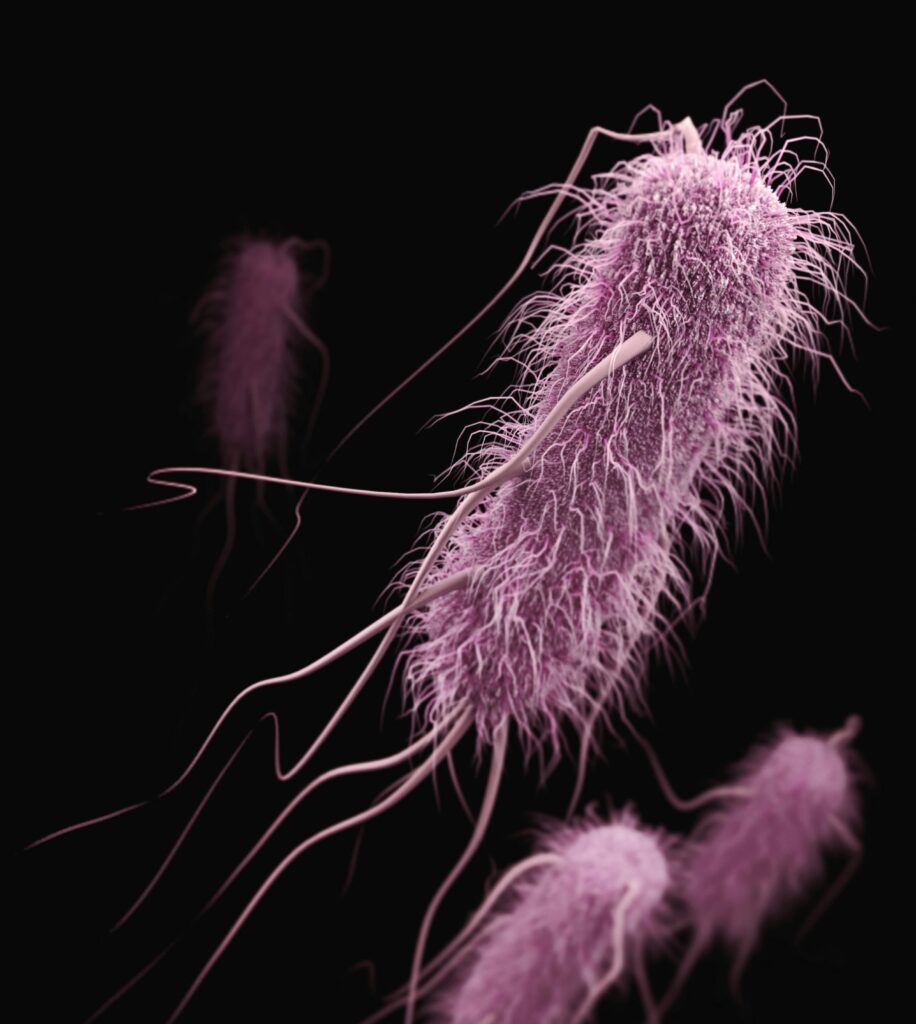
Another promising area of research relates to the role of KPV in the gastrointestinal tract. Since inflammation plays a major role in numerous gut-related diseases, scientists are trying to see whether KPV can prevent or reduce it. Preliminary studies on animals have shown that KPV can reduce intestinal inflammation, as well as help maintain the integrity of the intestinal barrier. In turn, that can prevent harmful substances from getting into the bloodstream.
For the time being, researchers have only seen those effects in animals. There is not enough evidence yet to suggest that KPV is a viable treatment option for humans. Even though early results are promising, scientists should conduct more trials before KPV becomes a recommended treatment for conditions such as Crohn’s disease or ulcerative colitis.
Potential Benefits for Skin Health
Skin health is another promising area of investigation when discussing KPV peptide benefits. Inflammation contributes to many common skin concerns, including eczema, psoriasis, and irritation following injury.
Researchers are currently studying whether topical application of KPV can suppress inflammatory processes in the skin and promote healing, alongside broader research into skin inflammation treatment options. Preliminary research suggests that KPV might be capable of reducing the inflammation without causing negative effects to the skin.
Because of this, KPV is now being considered by dermatologists and skincare companies. The problem is that skincare and cosmetics products that include various peptides, including KPV, can sometimes be ineffective or formulated improperly due to a lack of regulation or research.
Supporting Healing
A certain level of inflammation can be necessary for healing to occur. Too little can result in failure to heal, whereas too much can negatively impact the healing process
Some researchers have reason to believe that KPV can reduce the chances that an inflammatory response will prevent healing. Rather than promoting tissue regeneration in and of itself, KPV would create the ideal environment for the body to promote tissue repair. This is a hypothesis at this point, but preliminary evidence suggests that it might be valid.
As things stand, researchers cannot confidently say that KPV promotes wound healing. Most of the evidence comes from animal studies, which do not always apply to humans.
Suppressing the Immune Response
By and large, immunosuppressants function by reducing the strength of the overall response from the immune system. They do not typically target specific cytokines, the messengers that cause inflammation. In contrast, KPV seems to only reduce the action of specific cytokines. This makes it an interesting candidate for researchers, but more work is needed before KPV can realistically be used as an alternative to traditional immunosuppressants.
What Are the Current Limitations?
Although enthusiasm surrounding KPV peptide benefits continues to grow, several important limitations should be recognized.
The largest challenge is the lack of extensive human clinical trials. Much of the available evidence comes from laboratory research or animal models, which cannot fully predict how a treatment will perform in people.
Researchers are also working to determine:
Researchers are also working to determine the most effective dosage, the safest methods of administration, long-term safety profiles, optimal treatment duration, and which health conditions may benefit most through continued clinical research and medical studies.
- The most effective dosage
- The safest methods of administration
- Long-term safety profiles
- Optimal treatment duration
- Which health conditions may benefit most
Until these questions are answered through well-designed clinical studies, healthcare providers generally view KPV as an investigational peptide rather than a standard therapy.
Safety Considerations
Although, according to the available data, KPV had a positive safety profile during the early experimental studies, the human data is insufficient to reach a final conclusion about safety and efficiency of these treatments. In addition, the use of these compounds should only be carried out after discussion with the doctor or other qualified medical practitioner. The above mentioned should be strictly adhered by any person including all pregnant, breastfeeding, those suffering from any chronic diseases or taking medications. Moreover, ordering research peptides from unregulated online stores for self-treatment or application might be really risky as there is the high probability of the products being of poor quality, manufactured inaccurately or with the unknown ingredients.
A Balanced Perspective on KPV Peptide Benefits
The growing scientific interest in KPV peptide benefits reflects its potential as a novel anti-inflammatory peptide with possible applications in gut health, skin care, tissue repair, and immune regulation while expanding knowledge about health and wellness information. Early laboratory and animal studies have produced encouraging results, but the science is still evolving.
While it remains hopeful as a research peptide and should not be taken as an established form of treatment, future clinical studies will demonstrate the actualfficacy of KPV in humans. Until this time, the best policy for any person is to understand this as an area under research with a best-informed prognosis.
Conclusion
The growing interest in KPV peptide benefits reflects the increasing focus on targeted therapies that may help regulate inflammation without broadly suppressing the immune system. Early laboratory and animal studies suggest that KPV has promising anti-inflammatory, gut-supportive, skin-health, and tissue-repair properties. These findings have made it an important subject of ongoing biomedical research.
At the same time, maintaining realistic expectations is essential. Most of the evidence supporting KPV peptide benefits comes from preclinical research, and large-scale human clinical trials are still limitedThis means that you should not look at KPV as a proven therapy for any condition. However, if further research corroborates the preliminary findings, this wonder peptide may become a significant player in the treatment of various inflammatory and tissue-related conditions. When it comes to peptides, remember to talk with your doctor and rely on medical expertise, not marketing. Hopefully, this review provided you with valuable information that will help you navigate the complex world of peptides with confidence.
Frequently Asked Questions
1. What is KPV peptide used for?
To begin with, KPV is primarily a research peptide with potential anti-inflammatory and immunomodulatory properties. Scientists are currently investigating its therapeutic potential in the context of gastrointestinal, dermatological, tissue, and inflammatory diseases. However, it is essential to note that the peptide is not currently FDA-approved, and there is no approved medical use for this substance.
2. What are the KPV benefits?
The most prominent reported benefits of KPV are associated with the regulation of inflammation. The peptide is believed to be beneficial for the gastrointestinal tract, skin, tissue, and modulating the immune response. These putative benefits are based on limited clinical evidence and mostly represent theoretical benefits.
3. Is KPV FDA approved?
As of now, KPV is not FDA-approved as a treatment for any condition.This peptide is currently being studied as an investigational treatment due to its promising therapeutic potential.
4. Is KPV safe?
Based on the current body of research, KPV is a relatively safe peptide with promising therapeutic applications. That said, any peptide with potential medical benefits requires extensive human trials, which means that no peptide can be 100% safe. To ensure your safety, always consult with your doctor before incorporating any bioactive substances into your regimen and steer clear of shady peptide dealers.
5. Can KPV help the gut?
Scientists are currently exploring the potential of KPV in the context of gastrointestinal diseases because preliminary evidence suggests that it may be beneficial for conditions associated with inflammation. However, most of the evidence comes from animal studies, and there is no robust clinical data to substantiate these preliminary findings. Therefore, no definite conclusions can be drawn regarding the efficacy of KPV for gut health until large-scale human trials are completed.
6. Can KPV help the skin?
According to the available scientific literature, KPV may help regulate some of the pro-inflammatory molecules responsible for the inflammatory response associated with skin conditions. In addition, it is believed to have potential tissue-repairing properties. That said, these properties have only been theoretically proven, and there is no substantial clinical evidence to confirm them.
7. Who should not take KPV?
Due to the lack of clinical research on the peptide, it is advisable for pregnant women, nursing mothers, individuals with pre-existing medical conditions, and those on concurrent medications to avoid KPV unless they consult with their medical provider.