Breathing problems can be frustrating, especially when one side of your nose always feels blocked or you struggle to get enough airflow during sleep, exercise, or daily activities. Many people who experience these issues search for how to fix a deviated septum without surgery because they want relief without immediately choosing a medical procedure.
When the cartilage and bone that separate your left and right nostrils is off center, it’s called a deviated septum. While some people develop it from birth, others suffer it from the result of an injury. If the deviation is severe enough, it can lead to a blocked nose, restricted breathing, snoring, pressure in the sinuses, and chronic pain.
What’s most important to understand is that the most natural approaches won’t be able to literally bend the cartilage or bone that’s keeping you from breathing through your nose – that usually involves surgery like septoplasty.
Still, many people who have a deviated septum will feel much better if they work on reducing the swelling in the nose, cleaning their airways, and incorporating lifestyle changes that help ease the symptoms. What You Need to Know If You Have a Deviated Septum – Everything included in this comprehensive guide, the effective (and most natural) way to reduce symptoms, tips straight from health professionals, some things you need to avoid, and information you need before opting for surgery.
Why Deviated Septum Fixing Matter
Nasal breathing impacts your life The amount of nasal breathing that you do can impact just about everything in your day-to-day life, ranging from how you sleep to how much energy you have to your capacity to exercise and even how generally comfortable you feel throughout the day. Millions of individuals are living with a deviated septum, most of them without ever knowing it until it starts creating problematic signs and symptoms as a result of narrowing their breathing airway in combination with allergy and inflammation.
Understanding how to fix a deviated septum without surgery is important because many people confuse symptom management with structural correction. They may search for exercises, home remedies, or quick fixes expecting the septum itself to move back into place.
Actually non-surgical techniques simply seek to optimize the nasal environment – they can help shrink the membranes and remove excess mucus to enhance air passage but won’t typically realign the septum physically. Hopefully, this understanding will assist people in making educated choices and setting realistic expectations for what non-surgical procedures can do for them.
What Is a Deviated Septum?
It’s what separates the left and right halves of the nose. A perfectly straight one is close to the middle of the nose and makes breathing easy on either side. A slightly crooked septum that drifts to either the right or left is called a deviated septum and makes one of the nasal passages a bit tighter.
Common causes include:
- Natural growth differences
- Childhood development
- Sports injuries
- Accidents or trauma
- Previous damage to the nose
Some people have a noticeable deviation but no symptoms, while others experience daily breathing difficulties.
Can You Actually Fix a Deviated Septum Without Surgery?
One of the most frequent questions people inquire about. Honestly, most non-surgical techniques will not physically correct the curvature of your nasal passage. Neither bone nor cartilage will reshape itself with massages, exercises, or other natural remedies.
However, many people searching for how to fix a deviated septum without surgery are actually looking for ways to breathe better and reduce discomfort.
That goal may be possible.
For instance, a patient who has had minor deviations in the nose but severe allergies might have much worse allergies due to swelling of the lining inside of the nose. The management of allergies, which will help reduce swelling of the nose, may alleviate symptoms even if the deviation has not been altered. The focus should be on improving nasal breathing, not altering the structure of the nose.
How to Fix a Deviated Septum Without Surgery: Practical Ways to Improve Breathing
Control Nasal Inflammation
Perhaps the largest cause of breathing issues for deviated septum sufferers is the fact that the nasal passages become narrow, leaving little room for the soft tissues to swell up and be unable to transmit air. The smallest bit of swelling due to allergies, irritants or dust can cause the air passage to feel much tighter. This treatment option could involve locating the inflammation source, like your surroundings.
Common triggers include:
- Dust particles
- Seasonal pollen
- Pet allergens
- Smoke
- Strong chemical smells
- Dry indoor air
Take another example, some people have no problem breathing in most months of the year, but suffer during allergy season. If this is the case, controlling the allergy will be far more helpful than just fixing the septum.
Use Saline Nasal Rinses
Saline rinsing is a commonly used method for improving nasal comfort.
A saline solution can help remove:
- Excess mucus
- Dust
- Allergens
- Irritating particles
This is not a fix for a deviated septum, but by keeping your nasal passageways clearer, it might help your airflow. Plenty of us have gotten into the habit of using saline sprays or irrigation regularly to help our congestion and nasal passageways get cleaner, and the key is making sure you use good hygiene practices with any rinse tools.
Improve Indoor Air Quality
Your surroundings can have a major impact on nasal breathing.
Dry air may irritate nasal tissues, while poor air quality can increase congestion.
Helpful habits include:
- Keeping living spaces clean
- Reducing dust buildup
- Avoiding smoke exposure
- Maintaining comfortable humidity levels
A person with a mild deviated septum may notice significant improvement simply by reducing environmental triggers.
Practice Comfortable Nasal Breathing
Practice comfortable nasal breathing while learning more about healthy breathing techniques.
Breathing exercises are often discussed when people search for how to fix a deviated septum without surgery.
Although breathing exercises cannot move the septum, they may help improve breathing awareness and reduce unnecessary mouth breathing.
Simple breathing practices include:
- Relaxing facial muscles
- Keeping the mouth closed when comfortable
- Taking slow, gentle nasal breaths
- Avoiding forced breathing through a blocked nostril
The goal is not to force air through a restricted passage. Instead, it is to encourage healthier breathing habits.
Manage Allergies Properly
When allergy becomes present the symptoms of a deviated septum will typically worsen. During allergies the body responds by inflammation that will inflame and swell the nasal tissues. This can restrict the nasal airflow.
Managing allergies may involve:
Managing allergies may involve following effective allergy management strategies.
- Reducing exposure to triggers
- Cleaning bedding regularly
- Using air filtration methods
- Discussing treatment options with a healthcare provider
Many people assume their septum is the only problem when inflammation is actually adding to their symptoms.
Stay Hydrated
Mucus functioning may be aided by fluid balance. Without an adequate fluid balance within the body, the body may produce thicker nasal mucus, and the nasal region may begin to itch. Proper hydration levels on an average day will benefit nasal well-being but can’t fix the nasal deflection itself.
Adjust Your Sleeping Position
Most people realize that nasal blockage seems to be more intense during the nighttime hours. Blood is shunted to various parts of the body when you are sleeping and sometimes that can cause nasal passages to become more engorged with blood. For example, if a person finds that their nose is more congested on one side than the other, simply changing their sleeping position and sleeping somewhat upright (slightly elevated) can make a difference.
Avoid Irritating Substances
Reducing exposure to nasal irritants can make breathing easier.
Common irritants include:
- Cigarette smoke
- Heavy fragrances
- Chemical cleaners
- Pollution
For people with sensitive nasal passages, avoiding these triggers may significantly reduce discomfort.
Expert Tips for Managing Deviated Septum Symptoms
Experts generally recommend looking at the complete picture instead of focusing only on the septum.
A person’s symptoms may come from multiple factors, including:
- Septum shape
- Allergy reactions
- Nasal tissue swelling
- Air quality
- Sleeping habits
One useful approach is tracking your symptoms.
Notice:
- When breathing feels worse
- Whether symptoms change with seasons
- Whether exercise affects airflow
- Whether one side is always blocked
This is a guide as to whether structure or inflammation is the bigger issue. Also, a major tip, Don’t do these “home remedies”. Many try to push their nose, or massage their septum to literally move it in position – these rarely work and will probably irritate the nasal membranes.
Common Mistakes People Make
Expecting Natural Methods to Straighten the Septum
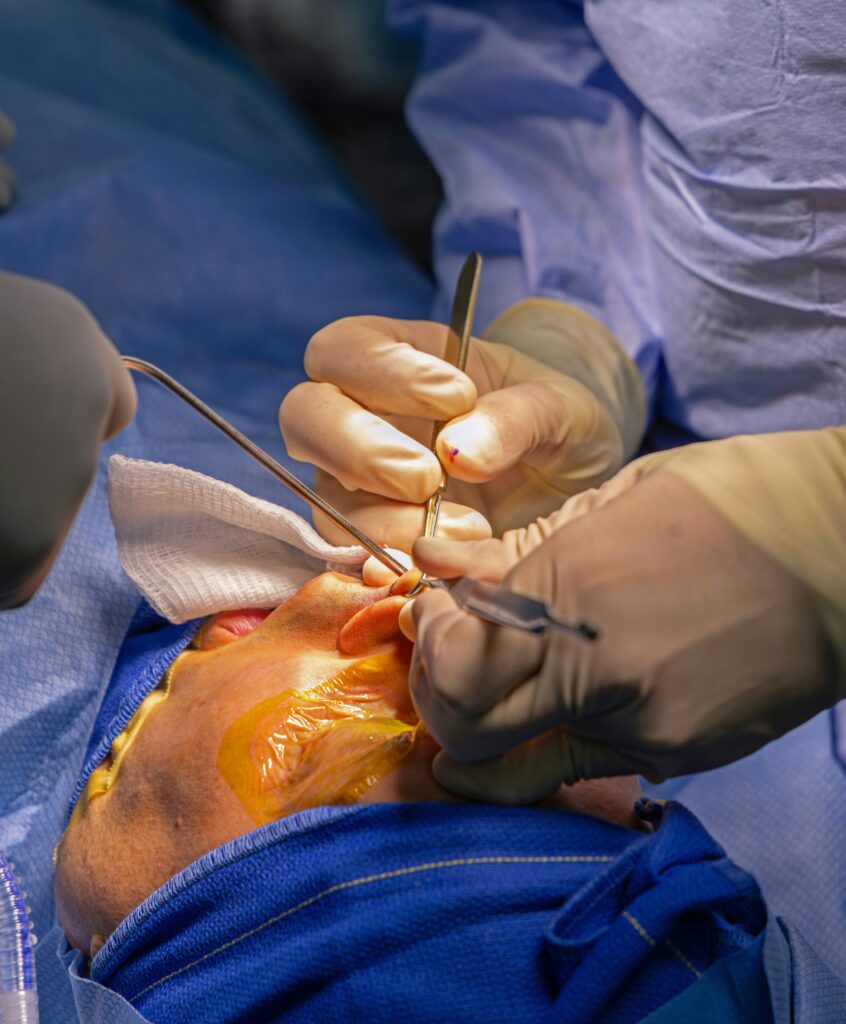
One of the biggest misunderstandings about how to fix a deviated septum without surgery is believing that exercises or home remedies can physically reshape the septum.
Natural approaches can support better breathing, but they generally cannot reposition cartilage and bone.
Overusing Nasal Decongestant Sprays
Others depend on the immediate benefits of a spray that unblocks their nose. Although some sprays work for a while by shrinking swollen vessels, abusing the medication may result in even more complications for your nose. Pay attention to instructions and talk to a physician in case the congestion continues to bother you.
Ignoring Allergy Triggers
It is possible that environmental triggers alone with the allergy have caused a strong condition in and of themselves. Environmental triggers left ignored will leave breathing problems with a slight deviation.
Delaying Medical Evaluation for Severe Symptoms
Natural solutions may be effective, but they may not be enough for the underlying problem. If the symptoms interfere with a person’s ability to sleep, exercise or carry out normal daily functions, then a doctor should consult.
Troubleshooting Common Deviated Septum Problems
My Nose is Always Blocked on One Side
A constant obstruction on one side may be caused by an anatomical abnormality, or it may be caused by a growth in swelling or other disease. Watching the symptom should help identify a pattern.
My Breathing Changes From Day to Day
If symptoms improve and worsen frequently, inflammation may be playing a significant role.
Structural problems usually remain consistent, while swelling changes.
I Wake Up With a Dry Mouth
How to remedy dry mouth at sleep If mouth breathing causes your dry mouth, your congestion may need some relief to assist. Nevertheless, you’ll need to speak to your doctor for persistent conditions.
Real-Life Example: Improving Breathing Without Surgery
This individual was suffering from restricted airflow through one nostril, more pronounced with exercise or the springtime. He believed surgery was the only answer. After his assessment he learned he has a minor deviation in his nasal septum coupled with the symptoms of spring allergies; Together this created his discomfort.
By concentrating on allergies with salt water irrigations, and optimizing the air in his house he found much relief in his everyday life.
Even though his nasal septum did not physically move or straighten, he did not have this physical defect. This provides another case where it is important to understand the differences between the physically correcting structures and addressing the symptoms they produce.
Non-Surgical Management Compared With Septum Surgery
Non-surgical methods focus on improving comfort and reducing symptoms.
They may work well for people with:
- Mild symptoms
- Allergy-related congestion
- Occasional breathing difficulties
Surgery focuses on changing the physical structure of the septum.
It may be considered when:
- Breathing problems are severe
- Symptoms significantly affect quality of life
- Other approaches do not provide enough relief
The right choice depends on the individual situation, symptoms, and medical evaluation.
Final Thoughts
Understanding how to fix a deviated septum without surgery means focusing on realistic solutions with trusted health and wellness resources. The Good News: Even if you can’t naturally straighten your septum, there are a variety of ways to help most people feel like they’re breathing better by alleviating congestion, preventing inflammation, and ensuring overall nasal wellness. Your best bet is simply to get clear on what is causing your issues, and manage it closely. That may mean taking care of your air quality, allergies, your nasal cavity, or your breathing.
Frequently Asked Questions
Can you permanently fix a deviated septum without surgery?
Non-surgical methods usually cannot permanently straighten the septum. They can help manage symptoms and improve breathing comfort.
Do nose exercises fix a deviated septum?
Exercises may improve breathing habits but generally cannot change the structure of the nasal septum.
Can allergies make a deviated septum worse?
Yes. Allergies can cause swelling inside the nose, making airflow problems more noticeable.
How long does it take to improve symptoms naturally?
Timing varies, but can be quick when simply removing a cause, or slow and complex. A specialist consultation often takes time for diagnosis and treatment plan.
Is surgery always required for a deviated septum?
NO Many patients find relief with medical management without the need for surgery, particularly for less severe or inflammation-related symptoms.
Can sleeping position help with breathing?
Certain changes to your sleeping position may make you more comfortable, but they will not straighten your septum