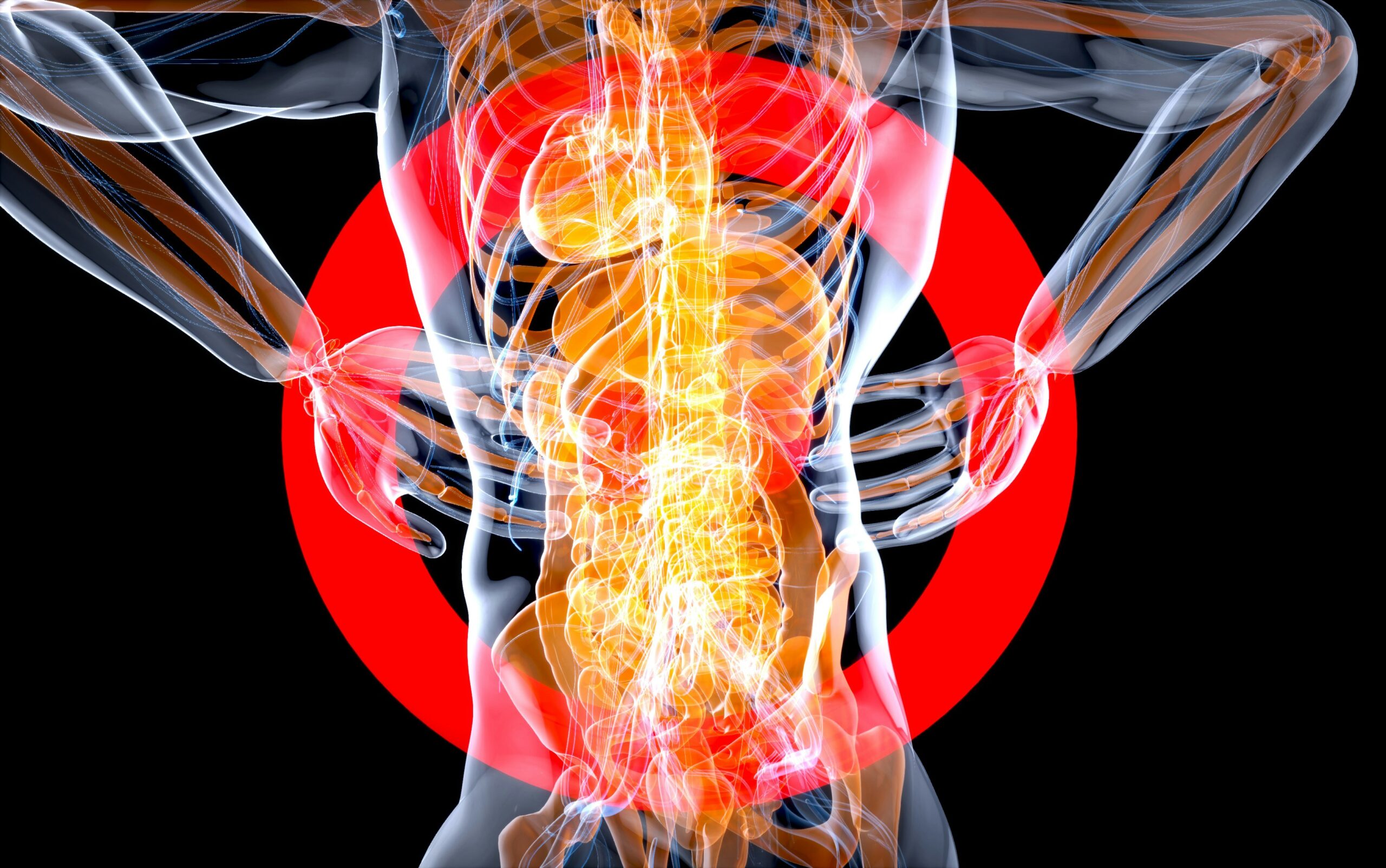
It’s not rare to experience neck pain on only one side, and one of the reasons is having one or both the muscles in the neck stretched or stiff. That may cause pain that can be traced to using a bad posture at a workstation, sleeping with your head in an odd position, turning your neck repeatedly in a certain way, using your neck in the same way repetitively or through an injury caused during the day. If, nevertheless, pain on the one side appears unrelated to muscles, then it’s possibly a compressed nerve, an inflammation/arthritis, an infection (sometimes showing as swollen nodes) or a trauma.
If you are wondering why does the left side of my neck hurt, the location of the pain can provide useful information, but it does not identify the cause by itself.A burning-type pain that is aggravated when you turn your head, could indicate a muscular problem or be due to something mechanical, whereas pain radiating down into your shoulder or arm accompanied by burning and numbness could indicate irritation of a nerve. While most minor neck pain settles down using conservative treatment some signs and symptoms should not be ignored. Major injury, extreme weakness or numbness, inability to walk and significant pain with fever in the neck, all necessitate attention.
What Causes Pain on the Left Side of the Neck?
The neck contains muscles, joints, bones, nerves, blood vessels, lymph nodes, and other tissues packed into a relatively small area. Pain can therefore originate from several different structures.
Muscle strain and tension
If you are wondering why does the left side of my neck hurt, muscle strain is one of the most common reasons for one-sided neck discomfort. You can irritate a muscle by sleeping with your head in an awkward position, exercising, lifting something, repeatedly turning your head, or holding your neck in the same position for a long period.
Certain muscles in particular are responsible for movement of the head and neck. Tightness and strain in the left sided Sternocleidomastoid and Trapezius group may make pain primarily occur in the left.
Stress can be a contributing factor. When you concentration, are anxious or working for a sustained period you frequently do not realize you are clenching the muscles around the neck and shoulders.
Describe the pain as achy, tight, sore and/or stiff. Usually there will be an ache noticed when turning your head and/or tipping it.
Poor posture and prolonged screen use
Hours spent looking down at a phone or leaning toward a laptop can place additional strain on the structures supporting the head and contribute to neck strain from screen use.
If you are wondering why does the left side of my neck hurt, Mayo Clinic identifies prolonged computer use, smartphone use, and slouched posture as common contributors to neck pain. Keeping the head forward for extended periods can increase the workload on the neck muscles.
Pain like this usually occurs over time rather than with a specific, definite episode. It’s possible to notice that you’re achy at the end of a working day, that this goes when you move, and returns as soon as you resume work.
Making certain changes to your working station can result in benefits. The top of the computer monitor should be roughly at the same height as your eyes, the back should be supported, don’t have prolonged times where your chin is tucked forward.
Sleeping in an awkward position
Though it feel good at night, a stiff or sore neck the next morning is possible in a position kept turned and bent for long.
A pillow that is too high, or too low could bring the neck out of position into one that is not conducive to comfort, or sleeping on the stomach could necessitate the head being turned to one side in position over the sleep period.
In a situation where the neck became sore on waking with stiffness that did not include other concerning symptoms, immediate muscle strain can be one conclusion.
A pinched nerve
You can get inflammation or pressure on a nerve in the neck due to altered function in the neck at the level of a spinal disc, bone spur or otherwise. Nerve pain often does not feel like regular muscle soreness as it may be burning, sharp, shooting or have an electric feeling and may radiate into the shoulder, arm or even the hand. Numbness, tingling or weakness may also be present.
Mayo Clinic recommends evaluation if arm or leg pain develops or if numb or tingly feelings or muscle weakness occur.
It is not always surgery in the case of a pinched nerve.
Arthritis and age-related changes
The bones of the cervical spine and the discs between them may wear and change over the years. Osteoarthritisand cervical spondylosismay contribute to neck stiffness, pain, and both can develop over a lifetime and particularly later in life. People may find they feel it after long period of work or following static activity.
In some cases, people note decreasing range of motion in the neck.
The Mayo Clinic listsosteoarthritis, cervical spondylosism, Spinal stenosis and a herniated disc as contributing factors to neck pain.
If you are wondering why does the left side of my neck hurt, age-related changes visible on an X-ray or MRI do not automatically mean they are responsible for the pain. This is one reason healthcare professionals consider symptoms and physical examination findings alongside imaging.
Could a Swollen Lymph Node Cause Left-Sided Neck Pain?
Yes. All throughout the head and neck are the lymph nodes which become swollen and tender when fighting infection.
It may feel like a small tender bump under the skin; when a node in the neck swells it can feel like this. Sometimes this occurs at the same time as symptoms such as a sore throat, cold and flu, cough, ear infection, tooth infection, or an infection occurring near the node.
Swollen lymph nodes occur as part of many infections, more commonly viral, which usually clear up within a few weeks.
The nature of the lump is of great importance. It is important to seek medical review of a lump which continues to grow and remains firm or rubbery without moving in the same way as normal tissues around the lymph node over several weeks. Medical attention may also be required as per Mayo Clinic if swollen nodes occur without any explanation and if symptoms include fever, night sweats or weight loss.
Emergency medical attention must be sought if swallowing or breathing difficulty occurs alongside neck swelling.
Other Conditions That Can Cause One-Sided Neck Pain
Not every cause is muscular or related to the cervical spine.
Headaches and referred pain
You might also experience neck pain as part of certain headaches and this pain may occur also at the base of the skull or shoulders. Headaches can also result from neck irritation. If you experience chronic headache pain, along with a stiff or sensitive neck, and headaches on the back of your head, make sure you tell your doctor the entire history of your complaints.
Dental problems
Infection in the tooth or dental issues in general can lead to referred pain into the surrounding areas, and into the neck and jaw. Infected lymph nodes below the jaw or on the neck can also occur alongside a tooth infection.
Significant toothache, face swelling, fever or pain on swallowing should be evaluated rather than viewed simply as a neck symptom.
Ear or throat infections
Tenderness or swelling over structure(s) surrounding head and neck as part of any infection can present.
Localized throat pain, ear pain, fever, congestion or pain upon swallowing with localizing pain will suggest clues toward the origin of concern.
Stress-related muscle tension
Sometimes emotional upset makes us tense our neck and shoulder muscles for hours on end. This tenseness can lead to soreness and may only affect one side as well if you tend to position your body or perform work duties unevenly.
This doesn’t mean you don’t feel anything! Muscle tension can and does cause real pain and stiffness.
What Does the Type of Pain Tell You?
The sensation and behavior of the pain can help narrow down possibilities.
| Pain pattern | Possible clue |
| Dull, aching soreness | Muscle tension or strain |
| Pain after sleeping awkwardly | Muscle irritation or stiffness |
| Pain after prolonged computer or phone use | Postural strain |
| Sharp or electric pain into the arm | Possible nerve irritation |
| Pain with numbness or tingling | Possible nerve involvement |
| Tender lump with cold or sore throat | Swollen lymph node |
| Pain after an accident | Whiplash or another injury |
| Neck pain with high fever and severe stiffness | Possible serious infection |
This table is only a guide, not a diagnostic tool. Different conditions can produce similar sensations, and several problems can occur together.
For example, someone may have both muscular tension and cervical arthritis. Another person may have neck pain from a respiratory infection and tender lymph nodes at the same time.
How to Relieve Mild Neck Pain at Home
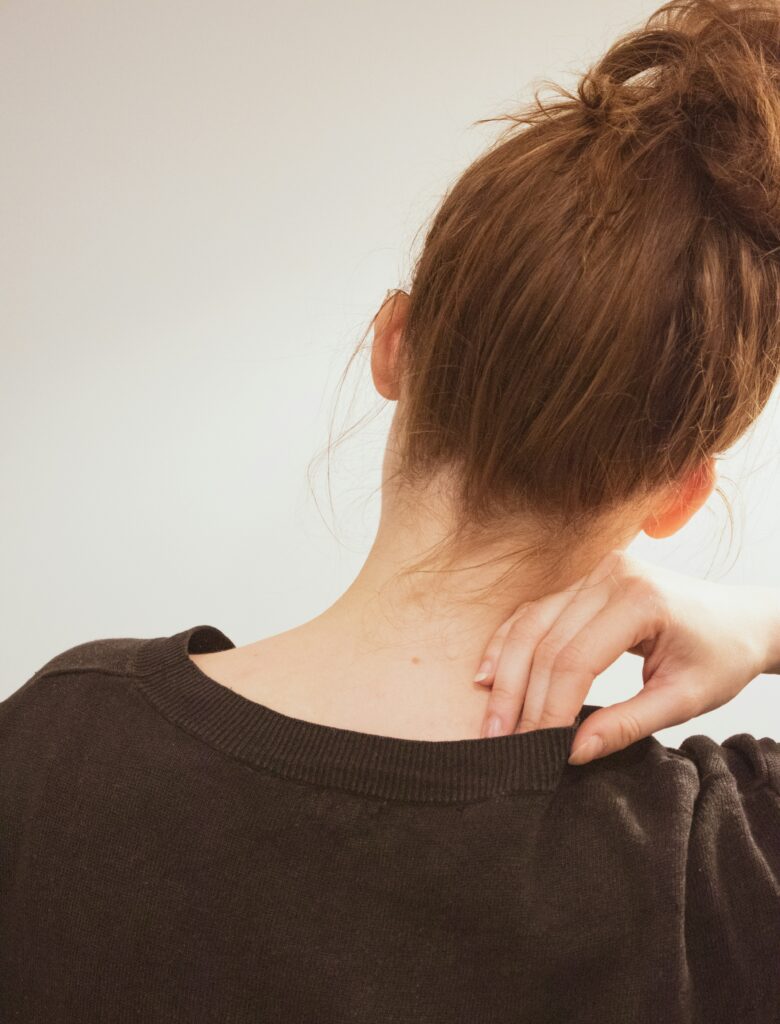
If the pain is mild, began without major trauma, and you do not have concerning symptoms, conservative measures may help.
Use heat or cold appropriately
The initial hours can benefit from cold, while heat can later help to relax muscles that become stiff and tense. Certain types of neck injury, according to Mayo Clinic, benefit from ice or cold packs for up to two days and then can be heated as part of neck pain relief methods.
Never put ice in contact with skin. Wrap it in a towel and only use for short durations.
Heat too, should be applied with a pleasant and not excessively hot intensity. A warm bath or a heating pad on a low setting might work.
Keep the neck gently moving
Complete immobilization is not typically required for mild muscle stiffness. Mobility can be maintained by careful movement.
Move your head from side to side slowly throughout its normal comfortable range of motion. Tilting the head forward and back may also be gently done if it is pain-free.
Do not try to stretch with force or repeat a movement within a sharp pain.
Improve your posture
Limit the duration you hold your head in the same forward-facing position when you have the computer screen positioned roughly eye level for long computer usage. Raising the computer on top of an existing book stack and avoiding to hold the phone elevated nearer to eye level will cut down on the amount of time spent with your neck in a downward bent position. According to Mayo Clinic, your ears should generally remain stacked above the shoulders and held in the same forward-facing position.
Take breaks
Even a good posture can become uncomfortable if you remain in the same position for hours.
Stand up, walk around, change positions, and gently move your shoulders and neck throughout the day.
Consider over-the-counter pain medicine carefully
Several non-prescription over-the-counter pain relievers like acetaminophen (Tylenol) or NSAIDs could also provide short-term symptom relief for some adults. Mayo Clinic suggests these are included as effective treatments for minor to moderate neck pain.
Be aware that these medications are not safe to take for everyone. Taking them may depend on health conditions such as medical conditions, pregnancy, drug sensitivities, kidney disease, stomach ulcers or other drugs you take, including blood thinners. Stick to the instructions and seek advice from your doctor or a pharmacist if in doubt.
A Simple Step-by-Step Approach to One-Sided Neck Pain
When the cause is unclear, a practical approach is to observe the pattern rather than immediately assuming the worst.
1. Identify when it started.
Did the pain begin after sleeping, exercising, working, lifting, or an injury? The timing can provide useful context.
2. Check how the pain behaves.
Notice whether turning your head, sitting at a computer, coughing, or moving your shoulder changes the discomfort.
3. Look for associated symptoms.
Pay attention to numbness, tingling, weakness, fever, headache, sore throat, swollen glands, dizziness, or pain extending into an arm.
4. Consider recent activities.
A long drive, workout, unusual sleeping position, repetitive work, or extended phone use can explain a sudden increase in muscular tension.
5. Try gentle self-care if appropriate.
For mild pain without warning signs, adjust your posture, use comfortable heat or cold, and maintain gentle movement.
6. Reassess rather than ignoring worsening symptoms.
If the pain becomes severe, persists despite reasonable self-care, or develops new symptoms, arrange a medical evaluation.
This approach does not replace diagnosis. It simply helps distinguish a potentially temporary mechanical problem from symptoms that deserve closer attention.
Common Mistakes That Can Make Neck Pain Worse
One is stretching the neck aggressively when there is pain. Mobility may help a stiff joint/muscle, but the forceful manipulation should increase the irritation.
It can be said for most simple cases that keeping the body or particularly the neck, still is not ideal. It is probably better to move progressively within the limits.
Many can get into the habit of frequently ‘cracking’ or manipulating the neck themselves aggressively. If you feel you require forceful manipulation many times throughout the day it is important to speak to an appropriately qualified professional.
One that is easy to overlook is bad workstation setup. Why treat symptoms only for 5 or 10 minutes only to continue for the rest of the day in an ergonomically poor posture, causing the pain to recur?
Lastly be careful not to assume any one-sided headache or neck pain is purely Muscular; numbness, weakness, significant swelling or a high temperature will all alter the approach and require treatment from a healthcare professional.
When Is Left-Sided Neck Pain an Emergency?
Most neck pain is not life-threatening, but certain combinations of symptoms require urgent care.
Seek emergency medical attention for severe neck pain after a significant accident, fall, diving injury, or other trauma.
You should also seek urgent evaluation if neck pain occurs with:
- New or significant weakness in an arm or leg
- Difficulty walking or loss of coordination
- Significant numbness or tingling
- Severe headache
- High or unexplained fever
- Severe neck stiffness
- Confusion or other major neurological changes
- Difficulty breathing or swallowing
- Severe symptoms that are rapidly worsening
In addition to neck pain and a high fever, if meningitis is present it needs to be diagnosed without delay. Symptoms of meningitis are documented by the NHS as; severe headache and stiff neck accompanied with fever and confusion, convulsions and a rash that does not disappear upon pressing, these all constitute as being in need of urgent evaluation. You need also to seek emergency attention in the case of any severe injury and not attempt the manipulation yourself.
When Should You See a Doctor?
Schedule a visit with a doctor when pain has not improved after a few days of sensible home treatment, is actually getting worse or comes back frequently. Pain that radiates down to your leg or arm, accompanied by numbness, tingling, weakness, or chronic headaches warrant medical attention as well. Constant, visible swelling in the neck that increases in size, is firm, fixed in position and is present for 2-4 weeks also merits evaluation.
A doctor may look at a patient’s medical history, examine neck movement, check the sensitivity of neck muscles, evaluate sensation, assess strength and reflexes, and then consider ordering more tests, including X-rays, CT, MRI, blood work, or electromyography if indicated.
Imaging studies are not routine for all neck pain presentations.
The goal is to identify the underlying cause rather than simply treating the location of the pain.
How to Prevent Recurring Neck Pain
Afterward, much prevention involves cutting down on repetitive strains: Set your computer at an ergonomic height, stop looking down at your phone too long, and shift your body posture often. In workplaces with routine neck movements, cross-train to do other tasks from time to time. Even sleep matters: Sleep in alignment, not forced up or down.
Strengthening exercises and stretches also help many people keep up their neck’s range of function-again, provided that they are done the right way and on a regular schedule as part of a healthy neck care routine.
If exercising makes your pain, numbness, or weakness get worse and worse, then pause and look for professional advice instead. Stress relief can play a part when tension leads to pain: Routinely moving your body, sleeping well enough, learning relaxation methods, and taking time away from screen use can ease some everyday issues which may affect your neck.
Final Takeaway
If you’re asking why does the left side of my neck hurt, a muscle strain, poor posture, awkward sleeping position, or prolonged screen use are common possibilities. Nerve irritation, arthritis, swollen lymph nodes, infections, and injuries can also cause pain on one side of the neck.

The pattern is important. Minor pains which appear after a clear injury, resolve over time and don’t include neurological issues, suggest that conservative treatment can be safe and effective, as is pain with appropriate heat/cold, movement, improved posture, and temporary analgesics for uncomplicated pain. However, the emergence of numbness, weakness, fever, severe swellings or any neurological issues call for medical evaluation, whereas a severely painful injury or severe, fevered neck stiffness can necessitate the emergency department. If the pain is either persisting or worsening, ornewly-developing symptoms are noticed, investigation into its cause is a safer bet than persevering with a more conservative treatment approach.
Frequently Asked Questions
1.Why does the left side of my neck hurt when I turn my head?
Pain when turning your head is often related to muscle strain, stiffness, poor posture, or sleeping in an awkward position. Repetitive screen use and keeping your neck in one position for long periods can also contribute to discomfort.
2.Can stress cause pain on the left side of the neck?
Yes. Stress can cause the neck and shoulder muscles to tighten, which may lead to aching, stiffness, or localized pain. Improving posture, taking regular movement breaks, and using gentle stretching may help reduce muscle tension.
3.Can a pinched nerve cause left-sided neck pain?
A pinched or compressed nerve in the neck can cause pain that travels from the neck into the shoulder or arm. Numbness, tingling, or weakness may also occur and should be evaluated by a healthcare professional.
4.When should I worry about left-sided neck pain?
Seek urgent medical attention if severe neck pain occurs after an injury or is accompanied by significant weakness, difficulty walking, or a high fever. You should also contact a healthcare professional if the pain is severe, persistent, worsening, or associated with numbness or tingling.
5.How can I relieve mild pain on the left side of my neck?
For uncomplicated neck discomfort, gentle movement, appropriate heat or cold, good posture, and avoiding activities that aggravate the pain may help. Over-the-counter pain medicine may also be appropriate for some people when used as directed.
6.How long does left-sided neck pain usually last?
Minor neck pain caused by muscle tension or strain may improve within several days, while some cases can take a few weeks to settle. Persistent or worsening pain should be assessed rather than repeatedly treated at home.
Conclusion
If you are wondering why does the left side of my neck hurt, the cause is often something manageable, such as muscle strain, poor posture, prolonged screen use, stress, or an awkward sleeping position. Sometimes neck pain can be caused by a problem with a nerve in the neck, an arthritic condition or some form of trauma.
The symptoms of the neck pain should be observed as they will indicate whether or not a serious cause of the pain needs to be considered. Small, discomfort can resolve itself through passive movement, being conscious of the patients posture or using heat and/or cold compresses. This kind of neck pain needs to be referred or investigated seriously when acute or chronic, involves radiation down into the limbs or shows symptoms such as numbness, paraethesia, weakness, fever or following an injury.