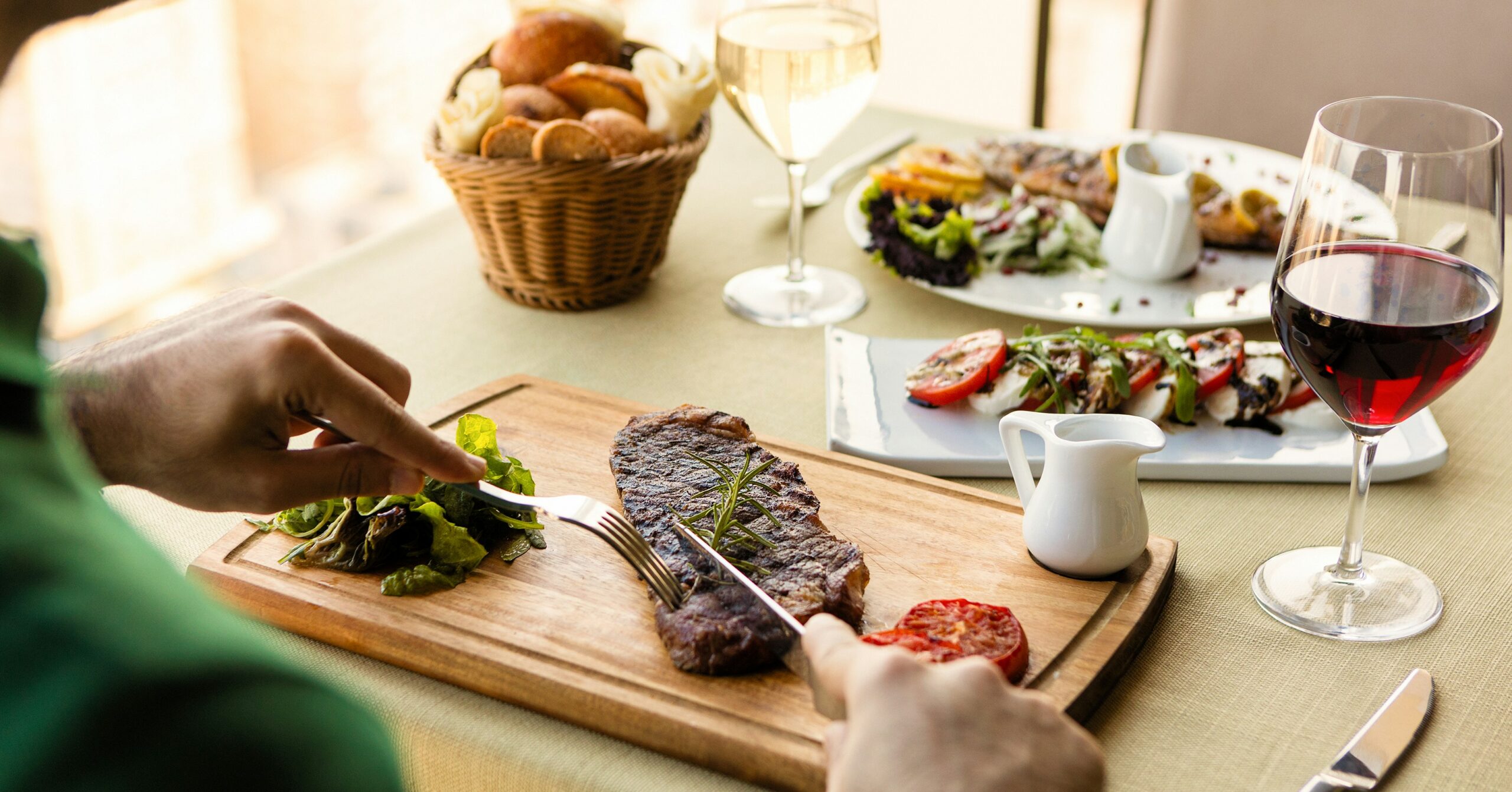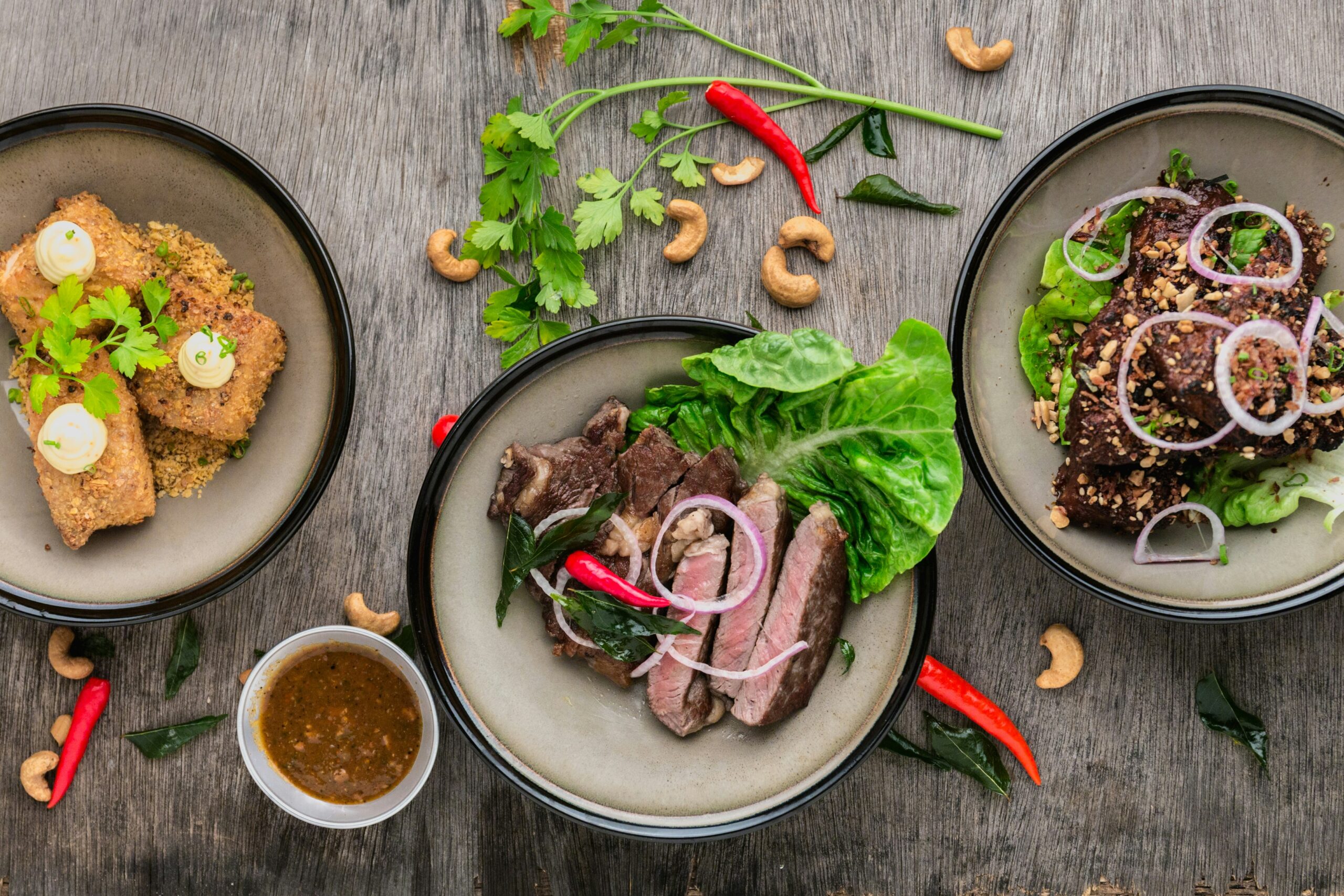
If you’ve been prescribed flecainide to manage an irregular heartbeat, you may wonder whether your diet could affect how well the medication works. Understanding the foods to avoid when taking flecainide can help reduce the risk of unwanted interactions and support the medication’s effectiveness. Although you don’t need a rigid meal plan, there are a number of dietary guidelines and practices that can impact your heart’s electrical signals, as well as the body’s ability to absorb medications.
As a strong anti-arrhythmic agent, flecainide has been prescribed to control several disorders of heart rhythm, including atrial fibrillation, and specific types of supra-ventricular arrhythmias. Since it alters the electrical activity in your heart, it should only be used as prescribed. Understanding the foods to avoid when taking flecainide, along with following the correct dosage and being aware of potential food interactions, can help support safer treatment and improve the medication’s effectiveness.
This guide outlines foods you may need to limit, the scientific research, and how to build a heart healthy diet when you’re taking flecainide.
What Is Flecainide?
Flecainide is a Class IC antiarrhythmic medication that helps stabilize abnormal electrical activity within the heart.
Doctors commonly prescribe it for:
- Atrial fibrillation (AFib)
- Paroxysmal supraventricular tachycardia (PSVT)
- Certain ventricular arrhythmias
- Other rhythm disorders in carefully selected patients
Flecainide actually slows down conduction of electricity through the heart, instead of lowering blood pressure or slowing cholesterol. It does this in patients whose healthcare provider feels they need the medicine, in order to put back into a regular or normal heart rhythm.
Since Flecainide can so greatly affect the electrical pattern of your heart it is VERY important not to miss a dose and to be careful not to let anything that would affect treatment enter your bloodstream.
Why Diet Matters While Taking Flecainide
Unlike many medications that involve a lot of food restrictions, flecainide usually can be taken with or without food. Food does not significantly influence absorption of flecainide in most adults.
However, diet still matters because certain foods or beverages may:
- Increase the risk of medication interactions
- Affect heart rhythm in susceptible individuals
- Influence electrolyte balance
- Worsen underlying cardiovascular disease
- Increase side effects in some patients
By taking into account this information, you will be able to consume healthy foods responsibly and with limits as to their availability.
Foods to Avoid When Taking Flecainide
Flecainide Foods that Should Be Avoided Because the condition for which you’re taking flecainide will likely be very specific, so there’s no comprehensive “banned” food list applicable to everyone. However, doctors generally recommend caution regarding the consumption of specific foods.
1. Grapefruit and Grapefruit Juice
Among the first things patients want to know when they are taking a heart medication is about grapefruits. It may not be quite as extensively studied when it comes to flecainide specifically as many other cardiovascular drugs have been, but research indicates it may raise the likelihood of having a heart arrhythmia and the pharmacists I work with suggest they limit your intake to preclude a clash between treatment from you and treatment from a cardiologist.
This includes:
- Fresh grapefruit
- Grapefruit juice
- Grapefruit concentrate
- Products containing grapefruit extract
Because recommendations may vary depending on your complete medication list, ask your healthcare provider whether complete avoidance is appropriate in your situation.
2. Excessive Caffeine
Caffeine doesn’t have any effect on flecainide itself, but large doses may induce palpitation or arrhythmia in individuals sensitive to it.
Common sources include:
- Strong coffee
- Energy drinks
- Highly caffeinated teas
- Energy shots
- Certain pre-workout supplements
Quite often, people with atrial fibrillation feel that if they drink too much caffeine, it triggers their AF symptoms, while the medication itself is perfectly fine. Too much coffee may be too much. How much is too much depends on the individual.
3. Alcohol
Alcohol deserves careful consideration when discussing foods to avoid when taking flecainide.
While there is no major food-drug interaction, alcohol may:
- Trigger atrial fibrillation in susceptible people
- Increase dizziness
- Lower blood pressure
- Increase the risk of dehydration
- Affect heart rhythm stability
Studies have specifically tied excessive alcohol consumption with events of irregular heartbeat or holiday heart syndrome. If you have ever experienced a rhythm disorder before, consult with your cardiologist about whether any level of alcohol consumption might be considered safe for you.
4. High-Sodium Processed Foods
Even though it has no direct interaction with flecainide, avoiding the overuse of salt can help maintain cardiovascular health.
Foods high in sodium include:
- Fast food
- Processed frozen meals
- Canned soups
- Packaged snack foods
- Processed meats
- Instant noodles
People who have high blood pressure or heart disease – conditions that often go together with rhythm disorders – might benefit from lowering their sodium intake.
5. Large Amounts of Licorice
The glycyrrhizin in natural black licorice can cause low blood potassium levels and irregular heartbeat in higher doses. Low blood potassium levels put the person at risk for lethal arrhythmias, especially someone taking heart rhythm-altering medications. In small amounts, the licorice is unlikely to be a concern for average adult, but over a period of time this can become a major issue.
Can Dairy Products Affect Flecainide?
Dairy and Flecainide There’s a common misconception with flecainide. It seems that for most adults there’s no evidence that dairy products or milk affect the treatment with flecainide in any way. Drug leaflets for adults explain that taking flecainide with or without food causes no clinically significant change in the absorption of this medicine.
With babies the milk does affect the way flecainide is absorbed so you may be advised by your doctor to give the medicine at specific times related to milk intake.
Some local medication guidelines state to wait for 1 – 2 hours between giving flecainide and dairy/milk, this is just to be extra cautious and you will have to be guided by your health care professionals as the general advice is fine. The pharmacist or your cardiologist will know the most important advice to follow.
Why Electrolyte Balance Is More Important Than Most People Realize
Many people focus only on the foods to avoid when taking flecainide, but maintaining healthy electrolyte levels is equally important.
The heart relies on minerals such as those that help maintain a healthy electrolyte balance.
- Potassium
- Magnesium
- Calcium
- Sodium
Low potassium or magnesium can increase the likelihood of abnormal heart rhythms.
Conditions that may lower electrolytes include:
- Severe diarrhea
- Persistent vomiting
- Excessive sweating
- Certain diuretics (“water pills”)
- Restrictive diets
Instead of attempting this on your own, consult with your health provider with these questions; he or she might also advise some tests based on the symptoms, you might be experiencing blood work too.
Foods That Support Heart Health While Taking Flecainide
Focusing only on the foods to avoid when taking flecainide tells only part of the story. Eating pattern for a healthy heart Eating a heart-healthy eating pattern also may help treat other condition that can co-exist with arrhythmias such as high blood pressure, heart disease and high cholesterol. There is no single eating plan that can substitute flecainide, but healthy eating does provide general benefits to cardiovascular health and may decrease some risk factors for heart disease.
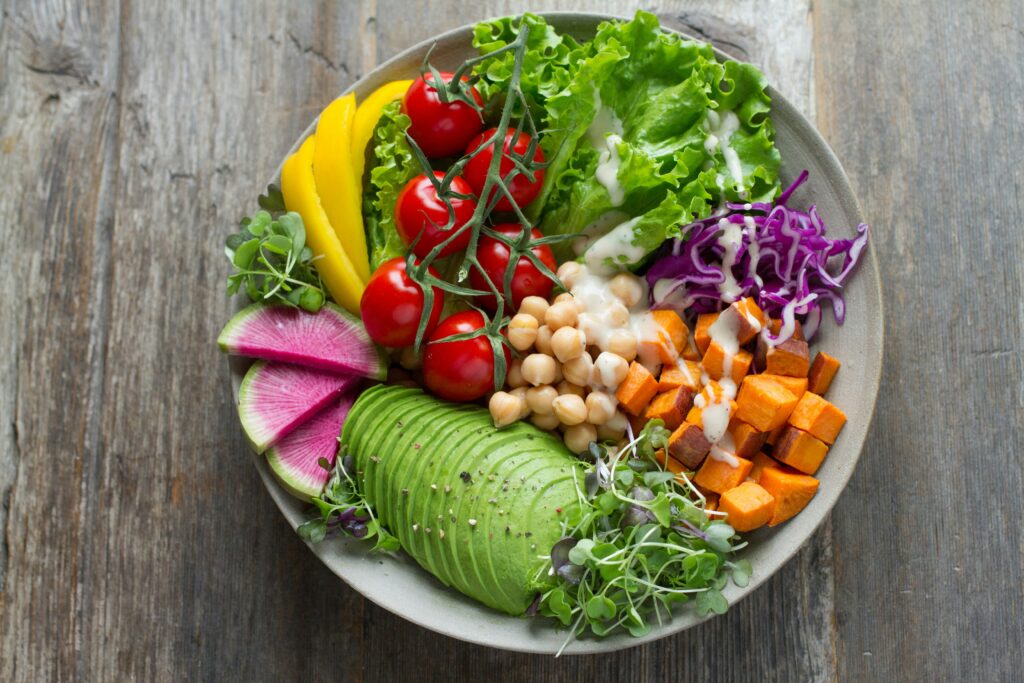
Fruits and Vegetables
Most fruits and vegetables are excellent choices because they provide vitamins, minerals, antioxidants, and fiber.
Examples include:
- Apples
- Berries
- Oranges (grapefruit excluded unless your healthcare provider says otherwise)
- Leafy greens
- Broccoli
- Carrots
- Bell peppers
- Tomatoes
Aim for a variety of colorful produce throughout the week to maximize nutrient intake.
Whole Grains
Whole grains provide complex carbohydrates and fiber that support heart-healthy eating.
Healthy options include foods that are also recommended in a cholesterol-friendly diet while taking cholestyramine.
- Oatmeal
- Brown rice
- Quinoa
- Whole wheat bread
- Barley
Replacing refined grains with whole grains may help improve cholesterol levels and overall cardiovascular wellness.
Lean Protein Sources
Protein supports muscle maintenance without adding excessive saturated fat.
Good choices include:
- Skinless chicken
- Turkey
- Fish
- Beans
- Lentils
- Tofu
- Eggs in moderation
Fatty fish such as salmon, trout, and sardines provide omega-3 fatty acids, which support overall heart health.
Healthy Unsaturated Fats
Replacing saturated fat with healthier fats may benefit people with cardiovascular disease.
Choose foods such as:
- Olive oil
- Avocados
- Almonds
- Walnuts
- Chia seeds
- Flaxseed
Although these foods are nutritious, they are calorie-dense, so moderation remains important.
Meal Timing and Taking Flecainide Correctly
One benefit of taking flecainide is that it can generally be taken with or without meals. The biggest determining factor for this is that you take it regularly.
To help maintain stable medication levels:
- Take it at the same times every day.
- Swallow the medication exactly as prescribed.
- Do not skip doses.
- Do not double a dose if you miss one unless instructed by your healthcare provider.
- Follow your cardiologist’s advice regarding dose adjustments.
Daily routine aids you to remember taking medication and maintaining stable blood levels.
Herbal Supplements and Natural Products to Use With Caution
The Misinformation Effect Unfortunately, lots of people believe that all natural means healthy. However, certain herbal supplements can alter heart rhythm or interact with your medications.
Talk with your healthcare provider before using:
- St. John’s wort
- Ephedra (ma huang)
- Bitter orange
- Yohimbine
- High-dose caffeine supplements
- Unregulated weight-loss products
- Herbal products marketed for “heart cleansing”
Certain ingredients in some supplements may actually stimulate your heart, and cause it to beat in an abnormal rhythm or skip a beat (palpitations).
Do Potassium-Rich Foods Need to Be Avoided?
Another frequent question I encounter. Fortunately, compared to some blood pressure medicines, flecainide does not impose limitations on potassium-containing foods. In fact, optimal potassium levels can be helpful for a healthy rhythm.
Foods naturally rich in potassium include:
- Bananas
- Sweet potatoes
- Spinach
- Beans
- Yogurt
- Avocados
But you might be given other, individualised, advice by your doctor if you suffer from kidney disease or take any medicines which interfere with potassium level.
Is Sugar a Problem?
Sugar does not directly interact with flecainide.
However, diets high in added sugars may contribute to:
- Obesity
- Diabetes
- High triglycerides
- Heart disease
Since many people taking flecainide already have cardiovascular risk factors, reducing sugary beverages and highly processed desserts supports long-term heart health.
Staying Hydrated Matters
You can be more likely to develop an imbalance in electrolytes through dehydration and that can cause abnormal rhythms.
Drink fluids regularly throughout the day, especially:
- During hot weather
- After exercise
- During illness involving vomiting or diarrhea
If your healthcare provider has placed you on fluid restrictions because of heart failure or kidney disease, follow their recommendations instead.
Common Dietary Mistakes While Taking Flecainide
Assuming Every Heart Medication Has the Same Food Restrictions
People often get flecainide mixed up with other drugs such as warfarin or some statins. Flecainide does not carry so many food and drink restrictions but healthy eating is still a good idea to manage your heart condition.
Drinking Too Many Energy Drinks
Energy drinks often combine:
- High caffeine
- Sugar
- Herbal stimulants
This combination may provoke palpitations or increase heart rate in susceptible individuals, even if it does not directly interact with flecainide.
Ignoring Electrolyte Loss
Persistent diarrhea, vomiting, or excessive sweating can lower potassium and magnesium levels.
These changes may affect heart rhythm and should not be ignored, especially in people taking antiarrhythmic medications.
Starting Supplements Without Medical Advice
Even supplements seem like they would be innocuous but they can interfere with medications prescribed by your doctor or affect the rhythm of your heart. Talk to your doctor before starting new supplements
Expert Tips for Living Well With Flecainide
Cardiologists often emphasize that medication is only one part of successful arrhythmia management.
Helpful habits include:
- Eat a balanced, heart-healthy diet.
- Maintain a healthy body weight.
- If your healthcare provider recommends it, make regular exercise part of your routine.
- Limit alcohol.
- Avoid tobacco products.
- Manage stress through healthy coping strategies.
- Get adequate sleep.
- Keep all follow-up appointments and ECG monitoring visits.
- Report new symptoms promptly.
These lifestyle measures complement flecainide treatment and support overall cardiovascular health.
Sample Heart-Healthy Meal Plan
The following example illustrates a balanced day of eating while taking flecainide.
| Meal | Example |
| Breakfast | Oatmeal topped with blueberries and walnuts, plus low-fat milk or a fortified plant-based alternative |
| Morning Snack | Apple with a handful of unsalted almonds |
| Lunch | A meal of grilled chicken breast, quinoa, steamed broccoli, and a mixed salad with olive oil dressing. |
| Afternoon Snack | Plain Greek yogurt with fresh berries |
| Dinner | Baked salmon, roasted sweet potatoes, and green beans |
| Evening | Herbal tea or water |
This meal plan emphasizes whole foods, lean protein, healthy fats, and fiber while limiting highly processed foods.
When to Contact Your Healthcare Provider
Seek medical advice if you experience:
- New or worsening palpitations
- Fainting or near-fainting
- Severe dizziness
- Chest pain
- Persistent vomiting or diarrhea
- Signs of dehydration
- Concerns about food or supplement interactions
- Questions about missed doses or side effects
Do not stop taking flecainide without medical guidance, as abruptly discontinuing treatment may worsen certain heart rhythm disorders.

Frequently Asked Questions
1. Are there any foods that must be completely avoided when taking flecainide?
There’s no definitive food list that everyone on flecainide is absolutely forbidden to eat. Many health experts suggest that you restrict or avoid grapefruit and grapefruit juice as this may alter the metabolism of some heart medications. Consider limiting large doses of alcohol, energy drinks and even large quantities of caffeine if they cause heart palpitations.
2. Can I drink coffee while taking flecainide?
Most people who are taking flecainide are fine consuming a moderate amount of coffee, but caffeine may be a trigger for palpitations or arrhythmias in others. Tell your healthcare provider if you notice your palpitations or other symptoms worsening after drinking tea, coffee, or energy drinks.
3. Is it safe to drink alcohol while taking flecainide?
It does not significantly interact directly with flecainide. Heavy alcohol intake increases your risk of abnormal rhythms and can cause or worsen feelings of lightheadedness or dizziness. If you have atrial fibrillation or other rhythm problems, most cardiologists suggest that you limit your intake of alcohol.
4. Should I avoid potassium-rich foods while taking flecainide?
No, there is no need to avoid foods high in potassium when you are taking flecainide. Your body needs to have healthy potassium levels to allow your heart to work properly. Provided your doctor hasn’t given other instructions based on kidney disease or other medical issues, potassium-rich foods can be eaten as part of a balanced diet.
5. Can I take vitamins or herbal supplements with flecainide?
Certain vitamins are harmless, but some herbal remedies and supplements containing stimulants can interact with medications or trigger heart rhythm problems. Always consult your doctor or pharmacist before starting any new supplement, even if it is natural.
6. What should I do if I accidentally consume grapefruit while taking flecainide?
Generally, eating a little will not do much harm for most people, but it’s good to be alert to new signs, such as dizziness, palpitations, fainting etc.. If you consume grapefruit quite often or are worried about a reaction between the two, make sure to consult your physician.
7. Does flecainide work better with food or on an empty stomach?
In general, you can take Flecainide with or without food. Consistency is more important so taking your medication around the same time each day (as instructed by your doctor) is the key.
Conclusion
Understanding the foods to avoid when taking flecainide can help you use this medication more safely and effectively. Although there aren’t extensive dietary requirements for flecainide, it is worthwhile considering potential issues such as grapefruit, too much alcohol, high-caffeine drinks and supplements containing stimulants as part of your management strategy. Equally, you will want to maintain adequate hydration, balanced electrolytes and a heart-healthy diet rich in fruit, vegetables, whole grains, lean protein and healthy fats. Please remember that lifestyle factors alone cannot compensate for appropriate medical treatment.
Take your flecainide as prescribed, attend your routine appointments, and don’t discontinue it unless advised to do so by your doctor.
If you are uncertain about a particular food, supplement or a change you would like to make to your diet, please discuss this with your cardiologist or your pharmacist.