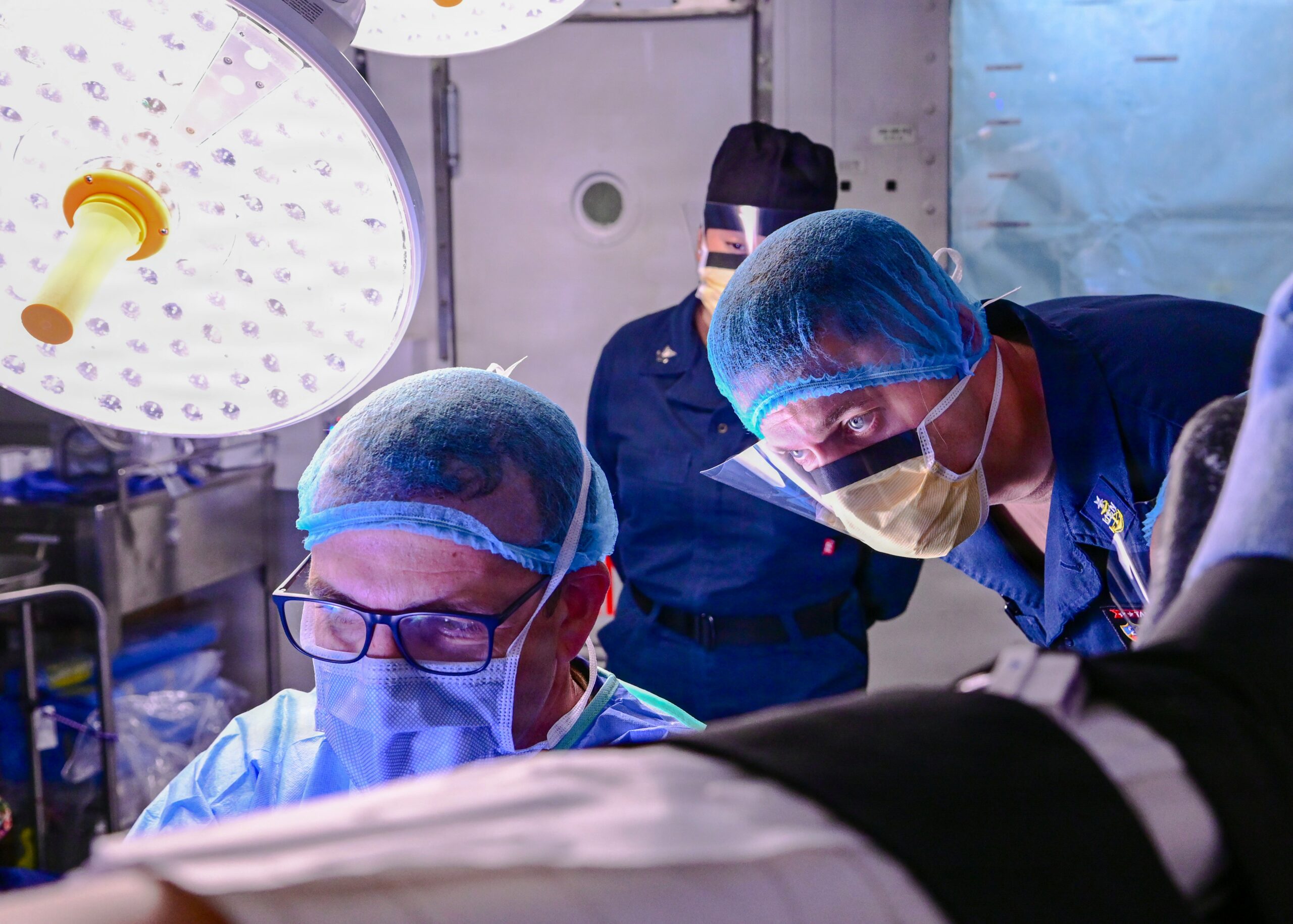
Hearing about a meniscus surgery can be frightening, especially if you’ve already been struggling with knee discomfort, pain, or swelling for a while. This article will walk you through what to know about a meniscus surgery, when it is needed, what is the difference between repair and removal, and what to expect during the healing process.
Understanding the Meniscus and Why It Tears
The meniscus is a cartilage tissue shaped like the letter C, located between the femur and tibia, acting as a shock absorber and stabilizer of the knee. The menisci are two in number medial and lateral and serve to distribute the load, protect the articulating surface and stabilize the knee joint.
Meniscus tears typically fall into two broad categories:
- Traumatic tears: Common in younger or athletic people, often from twisting or pivoting on a bent knee think cutting moves in football or basketball.
- Degenerative tears: More common in people over 40, where years of wear gradually weaken the cartilage and even a minor movement can cause a tear.
Not every tear needs meniscus surgery. The decision depends on your symptoms, tear pattern, age, activity level, and the health of the rest of your knee joint.
What Exactly Is Meniscus Surgery?
Meniscus surgery is a procedure that allows for the treatment of a torn meniscus, in cases where conservative treatment fails, using arthroscopic knee surgery techniques. The surgeries are usually performed using arthroscopy, a minimally invasive procedure that allows the surgeon to access the joint with small incisions and perform the necessary procedures with the aid of a camera and fine surgical instruments.
There are two surgical interventions available for the treatment of the meniscus:
- Meniscus repair The torn meniscus is surgically repaired to allow for healing.
- Partial meniscectomy the torn part of the meniscus is surgically removed, leaving the largest possible surface of the meniscus intact.
In more severe cases, such as advanced degenerative meniscal disease or advanced osteoarthritis, more complex procedures such as meniscal transplant or total joint replacement may be indicated.
When Do You Really Need Meniscus Surgery?
Most orthopedic surgeons do not rush straight to the operating room. For many people, especially with degenerative tears, a period of non‑surgical treatment comes first.
Conservative care typically includes:
- Rest, activity modification, and ice
- Anti‑inflammatory medications (if appropriate)
- Targeted physical therapy to strengthen surrounding muscles
- Sometimes, injections (like corticosteroids) to calm inflammation
Meniscus surgery becomes more appropriate when:
- Pain, swelling, or locking persists after several weeks or months of conservative care.
- The knee gets stuck, locks, or repeatedly “catches,” suggesting a flap of torn cartilage is getting in the way.
- The tear is in a “repairable” zone of the meniscus in someone who is active and wants to protect the joint long‑term.
- There is a large, unstable, or complex tear that will not settle without surgical treatment.
If you have significant arthritis in the same knee, the calculus changes. In that case, physical therapy and non‑surgical care often help more than meniscus surgery, and your surgeon may be more cautious about recommending an operation.
Types of Meniscus Surgery: Repair vs. Removal
One of the most important decisions is whether your tear should be repaired or trimmed. Each meniscus surgery option has pros and cons.
Meniscus Repair
In a repair, the surgeon uses tiny sutures or specialized devices to bring the torn edges together and hold them in place while they heal.
Best suited for:
- Tears in the outer third of the meniscus, where blood supply is better
- Vertical or longitudinal tears (often “bucket‑handle” type)
- Younger or active patients who want to preserve as much meniscus as possible
Key points:
- Healing takes longer because the tissue must biologically repair.
- Post‑op restrictions are stricter often limited weight‑bearing and motion for several weeks.
- Long‑term, preserving the meniscus generally reduces risk of developing osteoarthritis compared with removing it.
Partial Meniscectomy (Trimming)
In a partial meniscectomy, the surgeon removes only the damaged, unstable portion of the meniscus and smooths the remaining edge.
Best suited for:
- Degenerative tears with frayed edges
- Tears in the inner, poorly vascularized zone that will not heal even if stitched
- Patients whose main goal is quick relief of mechanical symptoms and pain
Key points:
- Recovery is usually faster. Many people walk with full weight almost immediately and return to many activities within weeks.
- But since tissue is permanently removed, there is a somewhat higher long-term risk of cartilage wear and osteoarthritis, making cartilage damage prevention an important part of long-term knee health, especially after large resections.
Quick Comparison of Meniscus Surgery Options
| Aspect | Meniscus Repair | Partial Meniscectomy |
| Goal | Preserve and heal the torn meniscus | Remove damaged tissue and smooth edges |
| Ideal tear type | Traumatic, in vascular (outer) zone, stable pattern | Degenerative, inner zone, irreparable pattern |
| Recovery time to sports | Often 4 6+ months | Often 4 6 weeks for many sports |
| Weight‑bearing early on | Often restricted or with crutches | Frequently allowed within a day or so |
| Long‑term joint protection | Generally better; more meniscus preserved | Slightly higher risk of future arthritis with larger resections |
Your surgeon will recommend a meniscus surgery plan based on your specific tear pattern, MRI, age, activity demands, and cartilage health.
How Meniscus Surgery Is Performed (Step by Step)
Most meniscus surgeries follow a similar arthroscopic process.
- Anesthesia
Meniscus surgery is often done as an outpatient procedure under regional (spinal or nerve block) or general anesthesia, depending on your health and local practice. - Small incisions and camera placement
The surgeon makes 2-3 small cuts around the knee and inserts an arthroscope (a tiny camera) plus specialized instruments. - Diagnostic look around the joint
Before deciding the exact meniscus surgery technique, the surgeon inspects the cartilage, ligaments, and both menisci to confirm what the MRI showed and assess the real‑time condition of the tissue. - Repair or trimming
- For repair, the tear is prepared and sutures or devices are placed to stabilize it.
- For partial meniscectomy, the torn and unstable parts are removed, preserving as much healthy rim as possible.
- Closure and recovery room
The instruments are removed, incisions are closed with stitches or strips, and a compression dressing is applied. You usually go home the same day with detailed instructions.
Recovery Timeline After Meniscus Surgery
Recovery after meniscus surgery depends heavily on whether you had a repair or meniscectomy.
After Partial Meniscectomy
- First few days: You can often bear weight as tolerated, sometimes with crutches for comfort. Swelling, stiffness, and mild to moderate pain are expected.
- 1-2 weeks: Many return to desk work; walking tolerance improves as swelling subsides.
- 4-6 weeks: Many patients can resume light sports and higher‑demand activities if strength and motion are adequate.
After Meniscus Repair
- First 2-6 weeks: Weight‑bearing and knee flexion are usually limited to protect the repair; you may use crutches and possibly a brace.
- 6 12 weeks: Gradual increase in load, motion, and strengthening under physical therapy supervision.
- 4 6+ months: Return to pivoting sports often takes several months, sometimes up to 6 9 months, depending on the tear and associated injuries.
These are general ranges, not rigid rules. Your surgeon and physical therapist will individualize your meniscus surgery rehab plan based on how your knee responds.
Pain Management and Early Home Care
Right after meniscus surgery, the main goals are to control pain, limit swelling, and protect healing tissue.
Common elements of early home care include:
- RICE: Rest, ice, compression, and elevation to reduce swelling and discomfort.
- Medications: A short course of prescription pain medicine may be combined with over‑the‑counter options like acetaminophen or nonsteroidal anti‑inflammatory drugs (NSAIDs), if safe for you.
- Incision care: Keeping the dressings clean and dry, avoiding immersion of the knee in water (baths, pools) until cleared by your surgeon.
- Early motion exercises: Gentle range‑of‑motion work and quadriceps activation as directed by your care team to reduce stiffness.
Always follow your surgeon’s specific instructions; they may adjust these based on bleeding risk, other health conditions, or the type of meniscus surgery performed.
The Role of Physical Therapy After Meniscus Surgery
Physical therapy is not just a “nice to have” for most people, it is central to a good outcome after meniscus surgery.
Good rehab typically focuses on:
- Restoring normal range of motion without irritating the surgical site
- Rebuilding quadriceps and hamstring strength, as these stabilize the knee
- Improving balance and neuromuscular control, which reduces risk of re‑injury
- Gradually reintroducing sport‑specific movements such as cutting, pivoting, and jumping
Skipping or under‑doing rehab can leave you with lingering weakness, stiffness, and confidence issues even if the meniscus surgery itself went perfectly.
Risks and Complications of Meniscus Surgery
Meniscus surgery is generally considered safe, but like any operation, it carries potential risks.
Possible complications include:
- Infection (skin or joint), though this is uncommon with arthroscopic techniques
- Blood clots (deep vein thrombosis), especially in people with risk factors
- Stiffness or loss of motion, sometimes requiring more intensive rehab
- Persistent pain or swelling, especially if there is underlying arthritis
- Failure of repair, where the meniscus doesn’t heal and symptoms return, possibly requiring re‑operation
- Long‑term cartilage wear, particularly after large meniscectomies
Overall, success rates for appropriately selected meniscus surgery patients are high, especially when matched properly between repair vs. removal and followed by structured rehabilitation.
Expert Insights: How Surgeons Decide the Best Meniscus Surgery for You
From an orthopedic standpoint, deciding which meniscus procedure is best involves putting together scan results, what the surgeon sees during the operation, and the patient’s activity goals and expectations.
Key considerations include:
- Tear location and pattern vertical tears in the vascular outer third are prime repair candidates; complex degenerative tears often fare better with partial removal.
- Age and activity level younger, athletic patients are often steered toward repair to preserve tissue, even if recovery is slower; older patients with degenerative tissue might benefit more from conservative care or limited trimming.
- Cartilage and ligament status a healthy joint with minimal arthritis is a better setting for meniscal repair; advanced arthritis may blunt the benefit of meniscus surgery altogether.
- Willingness to commit to rehab repair demands stricter post‑op discipline, while meniscectomy has fewer restrictions but potential longer‑term trade‑offs.
A good pre‑surgery consultation should walk you through these factors and show how they apply to your knee, not just offer a one‑size‑fits‑all plan.
Common Misconceptions About Meniscus Surgery
“Every meniscus tear needs surgery.”
False. Many small or degenerative tears can improve with rest, physical therapy, and time especially when arthritis is present.
“Meniscectomy is always easier and therefore better.”
Short‑term, trimming feels easier. But long‑term, preserving meniscal tissue (when repair is feasible) is generally better for joint health and may reduce risk of future osteoarthritis.
After meniscus surgery, it’s easy to believe your knee will feel completely restored, but recovery and long‑term function depend on many individual factors.
Meniscus surgery can significantly reduce pain and mechanical symptoms, but it does not reverse pre‑existing cartilage wear or guarantee you will never have knee issues again.
“I can skip physical therapy if the surgery goes well.”
Even a technically perfect meniscus surgery can have a disappointing outcome without proper rehab and strength work.
When to Call Your Surgeon After Meniscus Surgery
While some soreness and swelling are expected, you should promptly contact your surgical team or seek urgent care if you notice:
- Fever, chills, or increasing redness around the incisions
- Sudden, severe calf pain or swelling (possible blood clot)
- New numbness or weakness in the leg
- Worsening knee pain or swelling that does not respond to rest and medication
- Difficulty bearing weight that is getting worse instead of better
Early intervention can prevent small issues from turning into major setbacks in your meniscus surgery recovery, just as following health tips can help identify potential problems before they become more serious.

Conclusion
Meniscus surgery is a generic term that encompasses various procedures predominantly repair and partial meniscectomy made with the intent of restoring function and decreasing pain. The specific nature of the intervention depends on the type of tear and the patient’s requirements, making it a personalized treatment. When performed correctly, arthroscopic surgery has a high chance to enable the patient to return to all desired activities, including sport, by addressing the immediate issue and minimizing the risks to the joint.
Frequently Asked Questions About Meniscus Surgery
1. How do I know if my meniscus tear will heal without surgery?
Tears that are small, stable and degenerative can often be treated effectively with rest, physical therapy and time (especially if there is minimal catching or locking of the knee). Your orthopedic specialist will consider your MRI findings, physical examination and response to initial treatment when determining whether non‑surgical treatment is a viable option.
2. Is meniscus surgery done as an outpatient procedure?
Yes. Most meniscus surgeries are done outpatient. You go home same day you’ve had surgery once you are awake from anesthesia, but you will need a driver and someone to be with you for a while after you get back from the hospital
3. When can I drive after meniscus surgery?
Driving is governed by whether the left or right leg is operated on, pain levels, and narcotic use. For example, people who have had surgery on the right knee are often able to return to driving in 1-3 weeks following a meniscectomy and after a repair, but it is often necessary to have sufficient strength and coordination to pass the surgeon’s tests before resuming.
4. Will I be able to play sports again after meniscus surgery?
Many patients resume their previous sporting activity. The timing depends on what procedure was performed and what sport they are playing. Patients who had arthroscopic partial meniscectomy were able to return to sport in four to six weeks, whereas after meniscus repair, it may take several months before returning to pivoting sports.
5. Does meniscus surgery prevent arthritis?
It is hard to say whether any of the described surgeries can prevent arthritis from developing. The fact remains that the more meniscus is left, the better for the knee cartilage; thus, meniscectomy, a procedure that implies tissue removal, is less beneficial than repair. Still, the likelihood of getting arthritis depends on many factors, including age, genetic predispositions, weight, and others.
6. Are there alternatives if I have a bad tear but also arthritis?
Yes. With that much arthritis surgery of any kind is no longer indicated, with emphasis on physical therapy, losing weight, exercising, bracing and injections rather than knee procedures of any kind, and a partial or total knee replacement would give more pain relief that anything on the menisci.
7. What should I ask my surgeon before deciding on meniscus surgery?
Helpful questions may include the following: What type of tear do I have and where is it located? Are you recommending meniscus repair or meniscectomy? How long will it take me to recover from work and sports? What are the risks given my age, weight, and degree of arthritis? By getting clear answers to these questions, you will be able to make a confident choice.