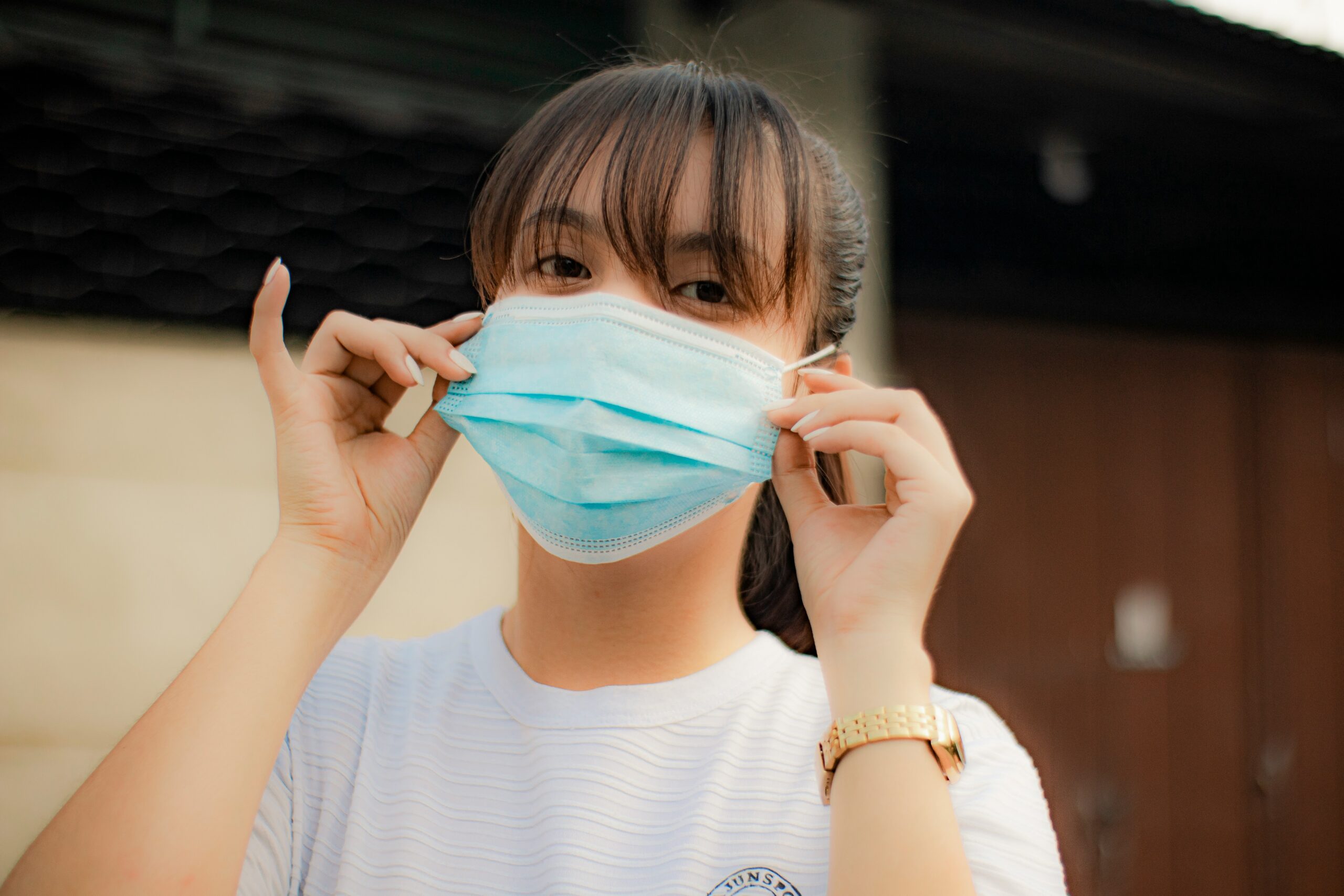
Almost all of us have suffered from sniffles at some point in our lives. One day your nose feels completely normal, and the next you’re reaching for tissues and sneezing over and over again. Usually, sniffles are just part of having a cold, but there are other explanations for this uncomfortable condition. Your runny or stuffed up nose could be caused by something as simple as the weather,allergies,or something else entirely.
This is a common issue for most people and many have even argued that simple sniffles could be an indicator of something more serious. For now, let’s settle on the fact that some sniffles are nothing to worry about but here’s why you’re experiencing them and what you can do about it.
In this article,
- we’ll discuss what exactly sniffles are,
- why they might be happening to you,
- how they might be different from other things you may be experiencing,
- and how to deal with it.
- What Are Sniffles?
Sniffles are a catch-all term for a variety of minor health issues centered around the nose.
Many people use the term to talk about having a cold, yet in reality it refers to a single symptom rather than a full medical diagnosis. The term “sniffles” can technically describe any irritation in the nose that causes someone to have to frequently blow their nose or sniffle. This can range from issues such as seasonal allergies to a simple cold and even things as mundane as dry winter air or strong perfume.
In short,
if you don’t know what’s wrong, you can’t properly treat it. Understanding the Topic In short, the sniffles are minor issues that can include:
- A runny nose
- Frequent sniffing
- A stuffy or congested feeling in the nose
- Clear mucous
- Occasional sneezing
- A minor irritation in the nose.
Overall, the sniffles are a symptom of an issue in your nasal passage. Your nose is designed to produce mucous to trap foreign objects like dust, bacteria, viruses, or allergens so that your body can safely remove them.
If your nasal passages become inflamed for any reason, then your body could respond by producing extra mucous, which causes the tell-tale runny nose symptom associated with colds and sniffles. In most instances, this will cause only minor annoyance and last only for day or two, but some people might find themselves plagued by sniffles for months at a time.
Why People Search This Topic
People search this topic to ask questions like:
- Am I sick?
- Could it be allergies?
- Why won’t my runny nose go away?
- Should I stay home from work?
- What medication is the best?
- When should I see a doctor?
Asking yourself these types of questions is incredibly important when it comes to understanding what’s happening.
The sniffles can be a symptom of many things.
Common Causes of the Sniffles
The Common Cold
The most common cause of sniffles is an upper respiratory tract infection, or a cold.
Symptoms of a cold can include:
- Clear mucous
- Sneezing
- Sore throat
- Stuffy nose
- Fatigue
Most colds will develop over the course of several days.
Seasonal Allergies
Allergies can mimic many of the same symptoms as the sniffles, but there are very few things that cause allergies. Allergies occur when your body mistakes an ordinarily harmless substance for something foreign and dangerous. Common substances that cause allergies include:
- Tree pollen
- Grass pollen
- Weed pollen
- Dust mites
- Mold spores
- Pet dander.
Allergies tend to develop when you’re exposed to things like the above items, but you might also find that you’re allergic to things like:
- Latex
- Certain medications
- Insect bites
- Metal
- Foods
- In contrast to viral colds, allergy flare‑ups typically don’t bring on a fever or the deep muscle aches that come with being sick. Understanding seasonal allergies can help you recognize how allergy symptoms differ from those of the common cold.
- Cold Weather
Cold, dry air can sometimes cause irritation in your nasal passages. Many people find that their noses are runny during the winter after being outside for a bit. It’s perfectly normal for your nose to run after being outside on a cold day, but it should stop once you’re back inside.
Irritants
Many common things in your environment can be an irritant to your nose and cause sniffles. Things like:
- Smoke
- Pollution
- Strong perfumes
- Cleaning supplies
- Paint fumes
- and
- Dust.
The best treatment for these types of sniffles is to avoid the irritant.

Viruses
Other than the common cold, there are many other viruses that can cause sniffles and other symptoms. In some instances, a cold-like illness can become severe enough to cause other issues such as coughing, fever, and body aches.
Non-Allergic Rhinitis
Some people suffer from chronic nasal irritation that isn’t triggered by allergies or infections. These people tend to have stuffiness or a runny nose that can occur at any time, but some people report that their symptoms are triggered by:
- Spicy food
- Strong odors
- Changes in temperature
- Changes in humidity
- Hormonal changes
- Or some medications
Because these symptoms can be similar to allergies, it’s important to see a doctor to get a proper diagnosis.
Complete Solution Guide
When it comes to treating the sniffles, it’s important to focus on the cause rather than the effects. There are a few simple steps you can try that may ease your symptoms.
Drink Lots of Fluids
Doing this will help thin out your mucous and help you feel better.
Saline Nasal Spray
Saline nasal spray can help soothe inflamed nasal passages while also clearing out excess mucous and other irritants.
Saline solution can be used frequently without risk since it’s just a saltwater solution. Using a saline nasal spray correctly can help relieve nasal congestion by moisturizing irritated nasal passages and clearing away mucus.
Rest
If you’re sick with a virus, then it’s important to let your body heal.
Many people try not to miss work or school because of a minor illness, but it’s important to give your body the rest it needs.
Over-the-Counter Medication
Based on what’s triggering your runny nose, you may benefit from over‑the‑counter remedies aimed at colds or at allergies. Here are some considerations for using these:
- Situation
- Type of Medication
- Allergies
- Antihistamines
- Congestion
- Decongestants (use these sparingly)
- Dryness
- Saline Spray or Gel
- Cold
- Symptom relievers
Always make sure to read labels and speak to a pharmacist or doctor before taking any medication, especially if you have any other health conditions.
Use a Humidifier
If the air in your house is particularly dry, then a humidifier can add moisture to the air and help prevent irritated nasal passages. This can be a good idea in the winter when heating systems tend to dry out the air.
Identify Irritants
If you find that you’re having sniffles more often in particular conditions, you might want to write them down in a journal to identify patterns. You might find that you have sniffles often when:
- You’re around someone’s pets
- You’re doing yard work
- You clean your house
- You’re outside when the pollen count is high.
- It’s also important to identify any foods that seem to trigger your symptoms.
Real-World Examples
Examples of sniffles and what might be causing them:
Example 1:
Emma always seems to have sniffles in the spring when she’s doing yard work. She doesn’t have a fever or sore throat, but she always ends up with itchy eyes when this happens. Her symptoms go away when she takes allergy medication, so it appears that Emma has seasonal allergies that act like a cold.
Example 2:
David always has a runny nose when he wakes up, but he feels fine the rest of the time. He eats his usual breakfast and goes to bed, but the next day he has a sore throat and feels tired. It looks like David has a cold and his runny nose was just the beginning.
Example 3:
James always seems to have a runny nose when it’s cold outside. Once he gets back inside and warms up, it stops. The only time James has a runny nose is when the temperature drops outside.
Example 4:
Sophia finds that she always has sniffles when it’s after lunch on weekdays. It appears that this happens because the building is cleaned with strong chemicals and she reacts to the smell. Improving the building’s ventilation has helped tremendously.
Professional Insights
Doctors and other medical professionals don’t tend to worry about the sniffles as much as the other symptoms that come with them. When a patient comes in with a runny nose and nothing else, the doctor will ask about the other symptoms as well. The following are some of the questions they might ask:
- How many days have you been dealing with these sniffles and related symptoms?
- Is the mucus clear or discolored?
- Are you experiencing any other symptoms such as a fever?
- Are your symptoms seasonal?
- Do they get worse in certain conditions?
- Do you experience pain or pressure around your face?
These questions are important because they help doctors differentiate between a cold, allergy attack, chronic nasal irritation, or something more serious. In the case of a cold, the most important thing is to let the immune system do its job.
It’s also important to note that green or yellow mucus isn’t necessarily an indicator of a bacterial infection. There’s no need to see a doctor for a cold. If your symptoms last for longer than several days, or if they seem worse than other colds you’ve had, then you should speak to your doctor. Chronic or recurring stuffiness and runny nose can sometimes be an indicator of an underlying health issue. It’s important to speak to a medical professional about these types of symptoms.
Mistakes People Frequently Make
Common errors relating to runny nose symptoms:
One of the most common mistakes people make with regard to runny nose symptoms is assuming that antibiotics are an appropriate treatment. Cold are generally caused by viruses, and antibiotics are largely ineffective against viruses.
Another common mistake is failing to seek medical treatment for long-term issues. It’s normal to get sick every once in a while, but if you’re frequently plagued by these problems you should speak to a doctor.
Another common mistake is overusing decongestant nasal spray. Use these medicines with care, limiting them to situations where you genuinely need relief.
Finally, many people confuse allergies with a cold. If you’re having recurring symptoms throughout the year, you should see a doctor.
How to Fix Those Problems
When you’re dealing with a stuffy or runny nose, it’s important to address the root of the issue. The best way to do that is to think about your symptoms. What other symptoms are you experiencing? How long has this been going on for? Are you sneezing or have you been feeling well otherwise? It’s crucial to consider the full scope of the issue. If you’re experiencing only minor symptoms on an intermittent basis, then you should focus on treating them accordingly. However, if your symptoms are severe or last for longer than a few days, you should speak to a doctor.
Common mistakes to avoid when dealing with sniffles:
Don’t rely on antibiotic treatment for sniffles. Sniffles are generally caused by allergies or viruses, and antibiotics will generally have little effect. If you’re still experiencing symptoms after a week or two, you should speak to a doctor.
Don’t ignore symptoms that last for long periods of time. If you find that you’re frequently plagued by colds and sniffles, you should speak to a doctor. Chronic illnesses can sometimes be the root of these symptoms, and there may be a treatment.
Don’t abuse decongestant nasal spray.
Don’t confuse allergy symptoms with cold symptoms.
How to Fix Those Problems
When it comes to treating stuffy or runny nose symptoms, it’s important to understand all of the possible implications. The best way to determine if there’s a serious illness lurking beneath your cold is to pay attention to other symptoms. If you’re experiencing a fever or body aches along with a runny nose, then you likely have something more serious than a common cold. If your runny nose symptoms are persistent and last for longer than a few days, you should speak to a doctor.
You should also speak to a doctor if you experience facial pain or pressure, or if your symptoms are preventing you from doing everyday activities. A doctor can help you sort through your symptoms and advise you on how to treat more serious illnesses. Most cold symptoms can easily be treated at home with rest and over-the-counter medication.
Practical Pro Tips
Many small things can be done to reduce your risk of getting a cold.
Washing your hands often can reduce the number of germs you spread and the number of germs you absorb. Staying hydrated can help your body function at its absolute best. In the case of colds, staying away from people who are ill or washing your hands after being around sick people can reduce your risk of getting sick. It’s also important to make sure that your air filters are clean and that your home humidity is at a healthy level. All of these small things can reduce your risk of getting sick.
FAQs
What are sniffles?
Sniffles are a collection of minor symptoms that can include runny nose, frequent sniffing, a stuffy or congested feeling in the nose, or occasional sneezing. In short, sniffles are a symptom, not an illness.
Are sniffles always a symptom of a cold?
No, though they are often mistaken for one. Sneezing, runny nose, and other similar issues can be caused by allergies, cold weather, dryness, irritants, viral infections, or non-allergic rhinitis.
Can allergies cause sniffles without a fever?
Yes, in fact, that’s the most common symptom of allergies. Allergies often cause a runny nose, sneezing, and itchy eyes without causing a fever or body aches.
How long do sniffles typically last?
This varies, but it’s common for colds to last anywhere from a week to ten days. Allergy symptoms can last as long as you’re exposed to whatever you’re allergic to.
Should I stay home if I just have sniffles?
If you’re experiencing sniffles and other cold symptoms, then it’s probably best to stay home if you have a fever or if you’re otherwise feeling ill. If your symptoms are caused by allergies, then you’re likely still contagious, so you should stay home anyway.
Can cold weather cause a runny nose?
Yes, it’s common for people to experience increased nasal drainage on cold winter days.
When should I see a doctor about sniffles?
You should see a doctor if your symptoms are severe, last for a prolonged period of time, or otherwise prevent you from doing your everyday activities.
Conclusion
Sniffles are one of the most common problems people of all ages experience. Unfortunately, they’re not always an indicator of one specific illness. Your stuffy or runny nose could be a symptom of a cold, influenza, allergies, irritants, and a number of other issues. Since this symptom isn’t specific to one illness, it can’t be used as an essential criterion for making a differential diagnosis. A congested or runny nose could be a sign of a simple cold or seasonal allergies, but it could also be something more serious. For this reason, it’s important to understand exactly what’s happening when you have a stuffy or runny nose.