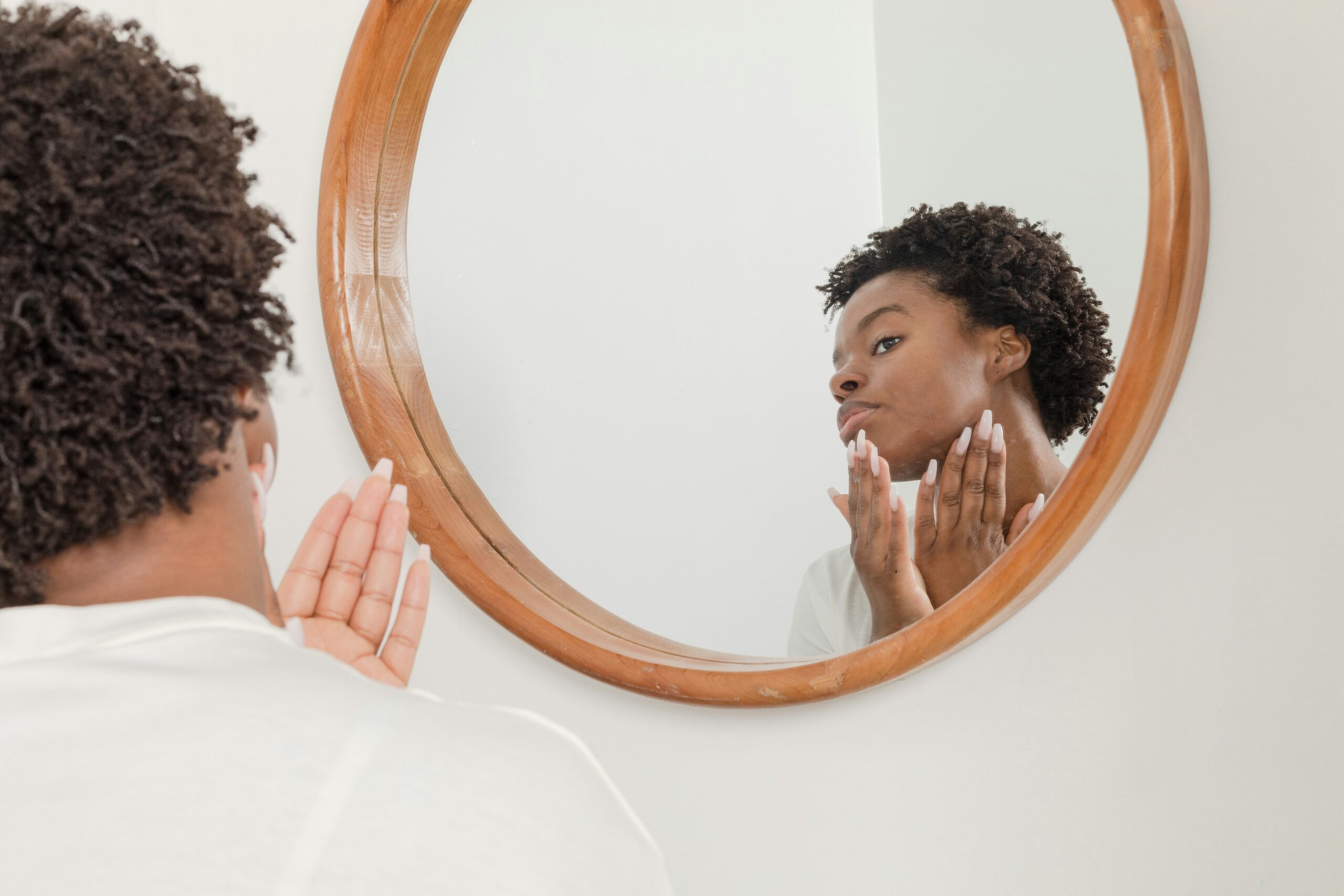
A new pimple can seem much more noticeable than it actually is, especially when it appears before an event, photograph, or important day. That often leads to one practical question: how long does it take for pimples to go away? The answer depends on the type of blemish, how deep the inflammation is, whether you leave it alone, and whether you use an appropriate acne treatment.
Even a slight, shallow surface imperfection might heal reasonably fast, while a deep, aching bump can be significantly slower. In some cases, the surface lesion will fade, but a brown, red or dark spot may be the only thing left behind. That’s because acne occurs when a hair follicle is plugged with oil and dead skin cells. In some cases, oil, dead skin, bacteria and inflammation combine to create other forms of lesions.
The Short Answer: How Long Does a Pimple Usually Last?
The recovery time for a “pimple” varies greatly “A red, inflammatory lesion and even a white head may resolve within a few days to a couple of weeks. The deepest papules and pustules – as well as nodular and cyst-like lesions – may persist and be present for far longer. Even after swelling goes down, a pimple might not completely vanish, and a transient discoloring may remain.” Mayo Clinic notes that acne may take time to heal and for new lesions to appear while others are resolving.
A useful way to think about healing is to separate three stages:
- The active pimple — the raised, clogged, red, or inflamed lesion.
- The healing stage — swelling and tenderness gradually decrease.
- The leftover mark — discoloration may remain even after the pimple itself has flattened.
These stages can have very different timelines. A person may therefore say a pimple “lasted a month” even though the actual inflammation disappeared much earlier and only a mark remained.
Why Some Pimples Disappear Quickly While Others Linger
The main reason healing times vary is that acne is not one single type of skin lesion.
Surface-level clogged pores
Whiteheads and blackheads form when a hair follicle becomes blocked with oil and dead skin cells. They are generally less inflamed than deeper acne lesions.
Because they are relatively superficial, they may be easier to manage with a consistent acne routine. Still, repeatedly squeezing them can turn a minor blemish into a more inflamed lesion.
Red bumps and pustules
Papules are small, inflamed red bumps, while pustules contain visible pus.These lesions involve more inflammation than a simple clogged pore.
Their healing time can vary depending on how irritated the surrounding skin becomes and whether additional inflammation develops.
Deep nodules and cystic acne
Deep inside your skin, in the dermis or hypodermis, are nodules and cystic lesions. These typically are more painful, and stick around longer than surface pimples. The Mayo Clinic defines cystic acne as “a severest, most painful form of acne causing significant deep lesions of the hair follicle.”
Don’t attempt to squeeze such a lesion.
Instead, you’ll likely cause damage to healthy skin tissue without alleviating the problem.
What Actually Determines Healing Time?
Several factors can influence how quickly an individual blemish settles.
The depth of inflammation
A shallow blemish generally has less tissue involved than a deep inflammatory lesion. The deeper the inflammation, the longer the visible swelling and tenderness may persist.
Whether you pick or squeeze it
Scratching can make inflammation on the irritated site worse Picking also has a tendency of picking the normal skin nearby, and scarring is also associated with the possibility of prolonged discoloration.The Mayo Clinic advises that a tender pimple site can become further irritated by picking at it. “Picking can also introduce more bacteria into the pimple and skin, worsening the inflammation and increasing your chance of scarring”.
Your skin-care routine
A gentle, consistent routine is generally more useful than aggressive treatment. Washing the skin too frequently, scrubbing forcefully, or combining numerous irritating products can make inflammation worse rather than helping it resolve.
Mayo Clinic recommends washing acne-prone skin twice daily with a mild cleanser and avoiding harsh scrubs, astringents, and masks that can irritate the skin, helping maintain a gentle acne-prone skin care routine.
Hormonal changes
Hormonal fluctuations can influence oil production and acne activity.This is one reason some people notice recurring breakouts around particular times of the month or during periods of hormonal change.
Hormonal influences can also mean that treating one pimple does not necessarily prevent the next one.
Friction and pressure
Repeated pressure from phones, helmets, tight collars, backpacks, or similar items can aggravate acne-prone skin. Mayo Clinic lists friction and pressure among factors associated with acne.
If blemishes repeatedly appear in an area exposed to friction, reducing that contact may be as important as changing your skin-care products.
How to Help a Pimple Heal Without Making It Worse
The fastest-looking solution is not always the best one. A pimple that is squeezed may temporarily appear flatter, but the resulting irritation can prolong redness and increase the possibility of a persistent mark.
Keep the area clean, but don’t over-wash
Use a gentle cleanser and lukewarm water rather than aggressively scrubbing the affected area.
Acne is not caused by simply having “dirty skin.” Excessive cleansing can irritate the skin barrier and make acne treatment harder to tolerate.
Avoid squeezing
This is one of the most useful habits for reducing unnecessary trauma.
Squeezing can push inflammatory material deeper into surrounding tissue or injure the skin. Even when the blemish appears to drain, the underlying inflammation may remain.
Use acne ingredients appropriately
Some over-the-counter medications for mild acne 1. A. Benzoyl peroxide helps remove breakout-causing germs, excess oil and skin cells that can clog pores. B. Adapalene.
This is a topical retnoid, which helps stop pore blockages and is crucial for a natural skin cycle of dead-cell removal and new cell generation.
C. Salicylic acid. It has an exfoliating effect and help unclogs your pore. A. This are not a quick fixes but more so treatments that over time control your breakouts and minimize new ones from developing. The Mayo clinic points out that non-prescription acne treatments are only apparent after use for two-three months.
Start cautiously
Using more acne medication does not necessarily produce faster results.
For example, excessive benzoyl peroxide can cause dryness, burning, scaling, and irritation. Mayo Clinic advises following product directions because using more frequently or in larger amounts can irritate the skin.
A gentle approach is often easier to maintain consistently.
A Practical Routine for a New Breakout
If you notice a pimple developing, a simple routine can prevent unnecessary irritation.
Morning
Wash gently with a mild cleanser. If you use an acne treatment, apply it according to the product instructions or your clinician’s directions. Follow with a noncomedogenic moisturizer and sunscreen when appropriate.
During the day
Resist the urge to pick. Your phones, hands, hairsprays and other irritating factors should be kept away from the inflamed lesion whenever practical.
Wipe away excess sweat if it builds up during or after exercise. If sweat accumulates after sports, wash your skin thoroughly instead of leaving oil and sweat to settle on your skin. Mayo clinic advise showering after strenuous exercise due to the buildup of oil and sweat leading to acne.
Evening
Cleanse gently and use your acne treatment as directed. If your skin becomes excessively dry or irritated, do not respond by adding more products. Adjusting the routine or discussing the reaction with a healthcare professional may be more appropriate.
The goal is steady management, not an aggressive overnight attack on one blemish.
Treatments That Can Help, and What to Expect
Benzoyl peroxide
Benzoyl peroxide is widely used to treat inflammatory acne.It can reduce acne-causing bacteria and inflammation while helping remove excess oil and dead skin cells.
It may begin affecting the acne process before you see a dramatic cosmetic change. Consistent use matters more than applying excessive amounts.
It can also bleach hair and colored fabrics, so care is needed when using products containing it.
Adapalene
Adapalene helps prevent clogged pores and is useful for treating and preventing acne rather than simply targeting one visible blemish.
It requires patience. Mayo Clinic notes that full improvement may take up to about 12 weeks, and acne can initially appear worse during the adjustment period.
Salicylic acid
Salicylic acid helps remove dead skin cells and unclog pores. It can be useful for people with mild acne, especially when clogged pores are a major part of the problem.
As with other active ingredients, irritation is possible if it is overused or combined carelessly with other irritating products.
Why the Pimple May Be Gone but the Mark Remains
Confusion between an active acne lesion versus an acne post-lesion also happens quite often. A red flat, or pink or brown, or deeper-in skin color where there used to be a pimple once a pimple’s inflammation finally dies down (doesn’t mean the acne is active). Per Mayo Clinic “Skin discoloration changes may persist after a lesion clears”, and it mentions darker-skinned individuals may be prone to prominent hyperpigmentation and hypopigmentation.
It is an importance to distinguish between these because treating a non-active, but healed, lesion like a red spot like an actual pimple can lead to skin irritation and can sometimes even increase skin discoloration more prominently.
Sun protection can also be crucial, since it might worsen your acne discoloration.
Common Mistakes That Can Prolong a Breakout
Scrubbing the pimple
A rough scrub cannot physically scrub acne out of a follicle. It can instead create irritation and compromise the skin barrier.
Using several strong products at once
Someone trying to clear a breakout quickly may combine benzoyl peroxide, salicylic acid, retinoids, exfoliating acids, masks, and abrasive scrubs.
That approach can produce significant irritation. Acne treatment works best when the routine is purposeful rather than crowded with overlapping products.
Applying more medication than directed
Extra product does not automatically mean faster healing. With benzoyl peroxide and other acne medications, excessive use can increase irritation without providing a proportional benefit.
Popping a deep pimple
A deep lesion is especially poor candidate for squeezing because the inflammation is below the surface. Pressure may cause more tissue injury without addressing the underlying inflammation.
Changing products every few days
Let Treatments Do the Work. Constantly swapping out acne-fighting products from brand to brand or formula to formula make it tricky to know which are effective and exposes your skin to a new irritant over and over. The Mayo Clinic suggests being patient when using a nonprescription acne treatment.“It may take several weeks or even a few months before you notice a difference.”
When a Pimple Needs More Than Home Care
An occasional pimple usually does not require medical attention. The situation is different when acne is persistent, painful, widespread, or leaving scars.
Consider speaking with a healthcare professional or dermatologist if:
- Deep, painful nodules or cystic lesions keep appearing.
- Breakouts are leaving scars.
- Acne is significantly affecting your confidence or daily life.
- Over-the-counter treatment has not produced meaningful improvement after a consistent trial.
- Acne suddenly becomes severe.
- You develop significant irritation from an acne medication.
Mayo recommends seeking medical care for an acne problem if self-treatment has not helped, or if the acne is severe or chronic (won’t resolve). Treatment by a medical provider may involve a prescription remedy depending on the specific type and severity of acne.
Medical treatment is also handy for when the outbreak is not what it seems. Certain bumps may look like pimples but are actually caused by something else. This is why unusual or very persistent spots shouldn’t simply be treated as just another type of zit without checking with an expert.
What If You Need a Pimple to Look Better Quickly?
Other times the concern is about the way a pimple looks rather than a focus on long-term acne control. Perhaps you’re dealing with a major event coming up and want to make a particularly puffy lesion look less noticeable without triggering a bigger breakout. The most effective way is the same – refrain from squeezing and prodding.
Proper acne treatment and gentle skincare can help to reduce inflammation over time, but there is no magic fix for any pimple to be gone within a 24-hour period.
If that, however, happens and you are experiencing severe or extra inflamed acne then consulting a physician for advanced treatments is the most suitable option. Prescription skincare requires months to work optimally, therefore planning on long-term solutions makes more sense than relying on cures and timely treatments of pimples. In the event your pimples, of a particular nature, keep reappearing ahead of a significant occasion, working on the treatment pattern of your acne would be a far more advisable option than attempting to individually get rid of each and every one.
The Bigger Picture: One Pimple Versus Ongoing Acne
It’s natural to get fixated on that red bump, but persistent breakouts are typically a sign you have acne, not that you keep making clumsy mistakes.
Acneis an actual process in our skin where a mixture of: oil produced by the skin gets trapped in your pores bacteria build-up inflammation occurs this process can also be influenced by: hormone fluctuations and imbalances genetics oil-rich skin/products too much friction and exfoliation and that’s why approach to prevention and treatment often look very different than treating a pimple right now a pimple cream might address a present problem.
But not prevent the next clogged pore without interfering with the actual processes that cause the breakout the same way that’s why adapalene is utilized not only as a spot treatment but also to assist in preventing subsequent clogged pores the best way to tackle a consistent cycle of acne than a speedy exit for individual zits.
Conclusion
So, how long does it take for pimples to go away? It is impossible to provide a set timeline as the progress of the two acne morphologies can be very different. A superficial mark resolves quickly or slowly; a deeper inflammatory lesion may persist much longer and can last even longer when the inflammation has resolved.
Squeezing the marks and applying the right ingredients in the right ways without being too excessive is the best. Benzoyl peroxide is effective as is adapalene and salicylic acid. Washing the area and then proceeding appropriately with skin care products with such ingredients is key.
When acne presents a significant deal of pain or scarring then a deeper underlying issue should be addressed through other professional therapies rather than targeting only the superficial breakout itself.

FAQs About How Long does It Take for Pimples to Go Away
1.How long does it take for pimples to go away?
A small, mild pimple may improve within several days and often clears within about a week or two. Deeper, inflamed pimples can take considerably longer to settle. The timeline depends on the type of blemish, inflammation, skin type, and whether it is treated or irritated.
2.Can a pimple go away overnight?
Usually, no. There is no reliable way to completely eliminate an acne lesion overnight. Some treatments may reduce redness, swelling, or discomfort, making the spot look less noticeable, but the underlying inflammation still needs time to resolve.
3.Why is my pimple taking so long to disappear?
A pimple may linger because it is deeply inflamed, repeatedly irritated, or part of ongoing acne rather than an isolated blemish. Nodules and cysts develop deeper in the skin and can take longer to heal than surface-level whiteheads or blackheads.
4.Does popping a pimple make it go away faster?
Popping a pimple is more likely to cause problems than speed healing. Squeezing can increase inflammation and may introduce bacteria or damage surrounding skin, increasing the risk of discoloration and scarring. The American Academy of Dermatology recommends avoiding self-popping, particularly for deep or painful acne.
5.How can I help a pimple heal faster?
Use gentle skin care and avoid picking, squeezing, or repeatedly touching the area while following effective healthy skin care habits. Depending on the type and severity of acne, evidence-based treatments such as benzoyl peroxide or topical retinoids may help manage breakouts. Consistency matters because acne treatments generally require continued use rather than producing instant results.
6.Do acne scars disappear when the pimple goes away?
Not necessarily. A healed pimple can leave temporary red, pink, brown, or dark discoloration even after the inflammation has resolved, creating what is commonly known as post-acne skin discoloration. True acne scars involve changes in the skin’s texture and may require different treatment. Early acne management can help reduce the risk of lasting scars.
7.When should I see a dermatologist about a pimple that won’t go away?
Professional advice should be considered, should a lesion appear and persist on a particular area for an extended period; continuously reappear in the same location, become excruciatingly painful, produce substantial swelling, and/or fail to respond to effective acne treatments. Often bumps are nothing to do with acne, conditions like rosacea and various other skin related problems can imitate the characteristics of a pimple.