Why Is My Eye Swollen When I Wake Up
One waking to find yourself with an enlarged eyelid or eye socket on just one eye is a bit concerning, since you are sure it appeared perfectly fine last night. For most of the cases, morning swelling is harmless and associated with water retention, posture, allergies, irritation, and small inflammatory condition. However the problem generally corrects itself on several hours, once you wake up, mobilize and start to blink.
Nonetheless there is one detail that can shed a new light to what have happened: swelling around one eye has a different etiology to swelling around both eyes. An itching may hint at a problem based on allergic reaction, while localized redness, tenderness and lump may signify a blocked gland within the eyelid. Vision abnormalities, pain, redness, fever and quickly increasing edema must concern.
If you have been wondering why is my eye swollen when I wake up, the answer is usually found by looking at when the swelling started, where it is located, what other symptoms are present, and whether it improves during the day. This guide explains the common causes, what you can safely do at home, which mistakes to avoid, and when an eye examination is appropriate.
What Causes Eye Swelling in the Morning?
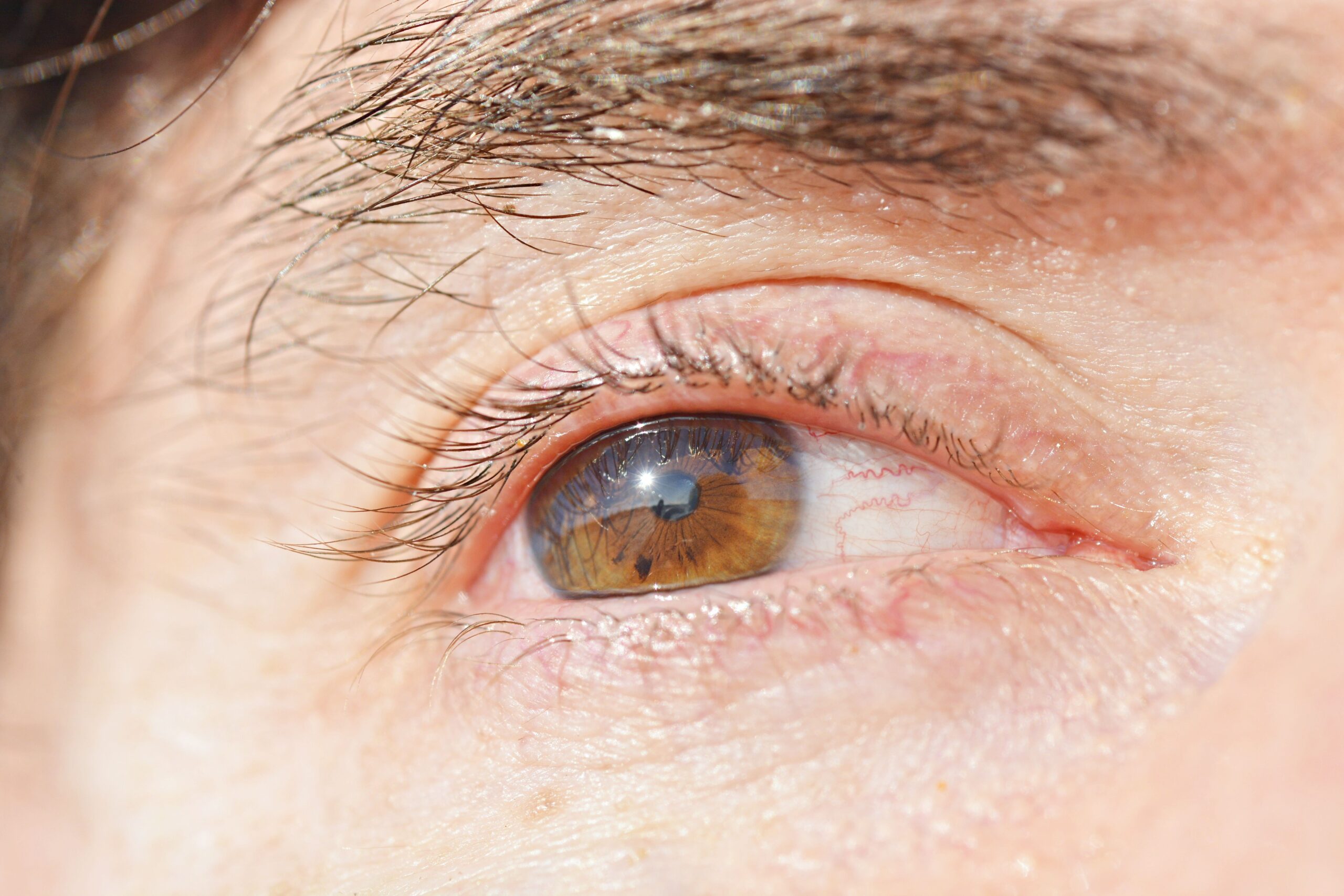
Morning eye swelling refers to puffiness or enlargement of the eyelid or tissues surrounding the eye after sleeping. It can affect the upper eyelid, lower eyelid, or the area beneath the eye.
If you have ever wondered why is my eye swollen when I wake up, a certain amount of puffiness can occur simply because fluid distributes differently while you are lying down. During the day, being upright and moving around changes fluid movement through the body. That is one reason mild swelling may become less noticeable after you have been awake for several hours.
However not all of these causes are harmless. The underlying factors can be anywhere from benign fluid retention to allergies to an eyelid cyst, infection, inflammation or trauma.
The most useful clues are, where in the eyelid it is, how long it has been there, any other signs and symptoms of any condition and whether it is unilateral or bilateral.
Common Reasons Your Eye Looks Puffy After Sleep
Normal fluid retention
If you are wondering why is my eye swollen when I wake up, mild puffiness around the eyes can occur after lying down for several hours. The tissues around the eyes are relatively thin and can show small changes in fluid distribution more visibly than other parts of the body.
This swelling usually feels tender rather than very painful and you get the swelling in the same places on both sides and it diminishes throughout the morning after getting out of bed.
Having a meal high in salt will give you short term fluid retention and maybe alcohol will do this to the indirectly by affecting dehydration levels and also the quality of sleep.
If the swelling reduces as morning approaches and you don’t get any worrying symptoms fluid retention in this short term duration is possible.
Sleeping position
Where you sleep can play a part in fluid retention. Spending many hours in bed can exaggerate the puffiness of the face upon waking.
It is common for people to perceive one side of the face as more swollen than the other if they regularly sleep on one side of the face. One side may also experience pressure on the pillow which may irritate the skin or eyelid.
Alteration of posture alone can not resolve reoccurring swelling; it may be of benefit to see if there are any changes in appearance of the swelling if sleep position is alternated.
Allergies
Allergic reactions are a common cause of itchy, watery, puffy eyes. Pollen, dust, pet allergens, cosmetics, skin-care products, and other substances can trigger symptoms in susceptible people.
Allergy-related swelling often affects both eyes, although one side can sometimes appear worse, especially when allergic conjunctivitis symptoms are present.
Clues that allergies may be involved include:
- Itching around or inside the eyes
- Watery eyes
- Sneezing
- Runny or stuffy nose
- Red or irritated eyes
- Swelling that follows exposure to a particular environment or substance
Rubbing the eyes can make swelling worse because friction further irritates already sensitive tissue.
Eye rubbing or irritation
Many people absentmindedly rub their eyes while sleeping. Also, after waking up, you might feel like your eyes are dry, ticklish or itchy, therefore you rub them to get relieve of these sensations. Rubbing them over and over again causes inflammation of the area around the eyelids, which might lead to even more puffy eyes.
Among other common causes of eyelid swelling, consider cosmetics, skin cleansers used for face, contact lenses and wear.
Other irritants are smoke, dust or other small particles floating in the air. When you get swelling, try and find out if you recently put a new eye product and refrain from using the irritant until you find out why.
A stye
A stye is usually a sore lumpy red area occurring on the eyelid, normally when a gland in the eyelid becomes inflamed.
While normally the eyelid feels a bit sore or tingly it only appears as a localized red bump, rather than a generally inflated eyelid. The inflammation doesn’t usually subside after sleeping when your eyelid will still appear red and red bumps may even be more visible because the inflammation is constant while the eyelid is closed. Don’t prick or squeeze them, you may make it worse, irritation the area more or spread the infection.
A chalazion
A chalazion is another type of eyelid lump caused by blockage of an oil gland. It often feels firmer and may be less painful than a stye.
If you are wondering why is my eye swollen when I wake up, a chalazion may be one possible cause. The swelling can occur on the upper or lower eyelid and may persist for days or longer. Some chalazia gradually resolve without treatment, while persistent or bothersome lesions may require assessment by an eye-care professional.
Because a chalazion and a stye can look similar at first, persistent eyelid lumps are worth having evaluated if they do not improve.
Blepharitis
Blepharitis refers to the inflammation of your eyelid margins, and understanding blepharitis causes and symptoms can help explain why swelling and crusting may be worse after waking. Signs that this might be occur include inflamed, red and itchy eyelids, sometimes with crusting of debris on your eyelashes and a burning, gritty feeling. Symptoms are often worst in the morning, due to the buildup of debris, oils and crust around your eyelid margins during sleeping hours. Anyone who suffers from chronic inflamed eyelids should be advised on the correct cleansing of their eyes as well as the management of any precipitating conditions.
Conjunctivitis
Conjunctivitis (pinkeye) is the inflammation of the conjunctiva, the transparent, thin tissue that covers the whites of your eyes and the inner surfaces of your lids. The specific signs depend on its cause; however, there are common conjunctivitis symptoms including: discharge, swelling, redness, watery eyes, and irritation. You have either a bacterial conjunctivitis or viral conjunctivitis (contagious) or an allergic conjunctivitis (not contagious).
These are differentiated because different approaches are applied for treating them.
It shouldn’t be looked over that certain discharge amounts, extreme redness or inflammation or pain and that changes in vision, are possibly something else besides morning puffy eyes.
Why One Eye May Be More Swollen Than the Other
If only one eye is swollen after waking, the cause may be more localized.
A blocked eyelid gland, stye, insect bite, localized irritation, minor injury, or infection can affect one side. Sleeping with one side of the face pressed into a pillow may also contribute to temporary asymmetry.
The pattern matters more than the fact that it is unilateral by itself.
If you are wondering why is my eye swollen when I wake up, the specific pattern of swelling can provide clues about its possible cause, while common eye problems and their symptoms can provide additional context when evaluating changes around the eyes.
For example, a small tender bump along the eyelid points toward a different problem than sudden swelling of the entire area around one eye. Likewise, an itchy swollen eyelid after using a new cosmetic suggests a different possibility from painful swelling accompanied by fever.
Pay attention to whether the swelling is located in the eyelid, underneath the eye, around the eye socket, or across the surrounding face.
When Morning Eye Swelling Could Be More Serious
Most mild puffiness is not an emergency, but some symptoms warrant prompt medical assessment.
Pain and significant tenderness
Mild discomfort from an irritated eyelid is different from severe or increasing pain. Significant pain, particularly when combined with redness or swelling around the eye, deserves medical attention.
Vision changes
Blurred or reduced vision, double vision, difficulty moving the eye, or unusual sensitivity to light can indicate a problem requiring professional evaluation.
Do not assume that vision changes are simply caused by eyelid puffiness.
Fever or feeling unwell
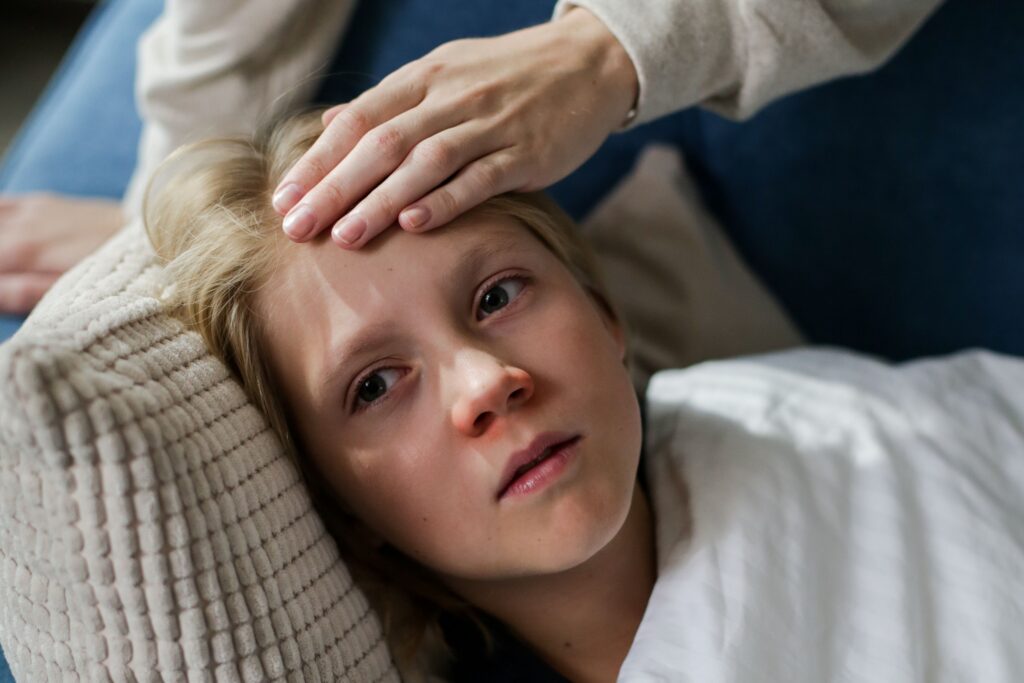
Swelling around the eye accompanied by fever or feeling generally ill can be associated with infection. In that situation, delaying evaluation may allow a potentially serious problem to progress.
Rapidly increasing swelling
Swelling that develops quickly or spreads beyond the eyelid should be assessed, particularly if it is associated with pain, redness, breathing difficulties, or other symptoms of an allergic reaction.
Injury or chemical exposure
Injury to the eye and region needs management when symptoms are prominent. Chemical injuries are urgent due to risk of ocular damage. In the case of chemical injury to the eye, immediate watering with running tap water according to basic first aid instructions are indicated while further professional help is arranged.
How to Reduce Mild Morning Eye Puffiness
If the swelling is mild, temporary, and not accompanied by warning signs, several simple measures may help.
Use a cool compress
A clean, cool compress placed gently over the closed eyelid can help reduce discomfort and temporary puffiness.
Do not apply ice directly to the skin. Wrap a cold source in a clean cloth if using something chilled.
Keep pressure light. The goal is to cool the area, not press on the eyeball.
Avoid rubbing your eyes
Rubbing can worsen irritation and swelling. If your eyes feel itchy, try addressing the suspected cause rather than repeatedly touching the area.
This is especially relevant when allergies are involved.
Remove eye makeup
If cosmetics may be contributing to irritation, gently remove them and avoid applying additional products until the eye settles.
Do not share eye makeup with other people, and consider replacing products that may have become contaminated or are past their recommended use period.
Stay hydrated normally
Normal hydration supports the body’s fluid balance. Drinking excessive amounts of water specifically to eliminate eye puffiness is not necessary and can be counterproductive.
A balanced approach is better than trying extreme hydration or dietary measures.
Address possible allergens
If swelling repeatedly appears after exposure to dust, pollen, pets, cosmetics, or another suspected trigger, reducing exposure may help.
For recurring allergy symptoms, a health professional can help determine appropriate treatment rather than relying on trial and error.
A Simple Morning Check: What to Look For
Before deciding what to do, spend a minute checking the affected eye.
Step 1: Look at the location.
Determine whether the swelling is in the upper lid, lower lid, under-eye area, or the broader tissue surrounding the eye.
Step 2: Check for a lump.
A small, localized bump can provide an important clue that an eyelid gland is blocked or inflamed.
Step 3: Notice the sensation.
Ask whether the area is itchy, painful, burning, tender, or simply puffy.
Step 4: Check the eye itself.
Look for significant redness, discharge, unusual watering, or changes in vision.
Step 5: Compare both eyes.
Differences between the affected and unaffected sides can help you recognize whether the problem is localized.
Step 6: Monitor the trend.
Notice whether the swelling becomes smaller after you have been upright for a few hours or continues to worsen.
This does not replace an examination, but it can help you describe the problem accurately if you need medical advice.
Common Mistakes That Can Make Swelling Worse
One of the biggest mistakes is repeatedly rubbing or pressing on a swollen eyelid. This can increase irritation and may aggravate inflammation.
Another is trying to pop a stye or other eyelid lump. A swollen gland should not be squeezed like a skin blemish.
Using someone else’s eye drops is another poor choice. Different eye problems require different treatments, and some products may be inappropriate for a particular condition.
If you are wondering why is my eye swollen when I wake up, irritation from eye makeup, contact lenses, or a newly introduced cosmetic could be one possible factor. People also sometimes continue using these products despite obvious irritation. Giving the affected area a break can help prevent further exposure while the cause is being determined.
Finally, do not rely solely on the appearance of swelling. A problem that looks minor can require attention if it is accompanied by pain, vision changes, fever, or rapidly worsening symptoms.
What If the Swelling Happens Every Morning?
Morning eye puffiness on a regular basis is worthy of examination if it is becoming more severe or lingers for a good portion of the day.
Begin by searching for patterns. Is the puffiness present after consumption of a particular food, exposure to a certain trigger (e.g. Pollen or dust), after getting insufficient sleep or after wearing an eyeliner or moisturizer, or is it always the same eye and at what position do you find that your eyelid looks particularly swollen?
It might be useful to maintain a journal of your morning puffiness for a few days to help clarify the relevant pattern.
The chronic inflammation might not be present within the eye itself, it may represent a more general fluid retention problem. If the puffiness is chronic or recurrent without an apparent external trigger (e.g. The eyelid puffiness also occurs with generalized swelling). Speak with your doctor.
When Should You See an Eye Doctor or Healthcare Professional?
You may want to have an expert assess you, should it become a recurring problem, not get better, or develop any unsettling associated symptoms. They will examine your eyelid and surface of the eye and then work out whether the issue is down to a gland being blocked up, inflammation, an infection, allergy, irritation or something else altogether.
Seek urgent medical care for symptoms such as:
- Significant or worsening eye pain
- New vision loss or substantial vision changes
- Difficulty moving the eye
- Severe swelling around the eye
- Fever with swelling around the eye
- A serious eye injury
- Chemical exposure to the eye
- Swelling accompanied by trouble breathing or other signs of a severe allergic reaction
The urgency depends on the symptoms and how quickly they developed. When vision or the deeper tissues around the eye may be involved, it is safer to have the problem assessed rather than waiting for it to resolve on its own.
How Sleep and Daily Habits Can Affect Eye Puffiness
The appearance of the area around your eyes can be dependent on your sleep. Brief and interrupted sleep may emphasize existing puffiness but poor sleep alone is rarely the sole cause of swollen eyelids.
The surrounding environment can also play a role; a bedroom with dust, pet dander, smoke, or severely dry air could be an irritant in sensitive individuals.
Your evening practices can often give further insight; over consuming alcohol, a salty supper, weeping before sleep, or attempting a new product on the periorbital region could all cause brief puffiness in some people.
Each reason given does not inevitably lead to puffiness however and the practical option remains to locate a consistent trend instead of blaming one behavior.
Final Takeaway
When eye puffiness is present upon waking up in the morning it is often due to harmless factors like fluid accumulation, how long/in what position you slept, allergies, rubbing, or a clogged eyelid gland. Transient, early morning eyelid puffiness which disappears by midday often warrants less worry then swelling which is worsening or sustained during the day.
The most important question to ask is are both eyes or just one involved? Does the eye itch or is there pain? Is there a visible bump on the eye lid or around it? Is the vision normal? Cool compress and avoiding rubbing could be beneficial with a less problematic cause.
See a physician if the eye is significantly painful, your vision is impaired, you develop fever, increased amount of swelling appears, or movement of the eyeball is restricted. Any persistent puffiness which continually recurs warrants a physician’s visit as well, since repeated treatment of a symptom is not a good strategy.
Conclusion
If your eye is swollen when you wake up, there can be many benign causes such as fluid retention, sleeping patterns, allergies, insufficient sleep or mild irritation. Puffiness in the morning can be more pronounced since fluid is apt to collect in the vicinity of the eye at night.
A cool compress, not rubbing your eyes, a good amount of sleep, reducing exposure to allergens when you suspect these are the cause, will likely help with mild swelling. If you have repetitive swelling this might be a condition like blepharitis, which can cause itchy swollen eyelids that will often start upon waking.
But, any swollen eye that is associated with significant pain, changes in vision, fever, severe redness, or increasingly problematic is another thing and must be seen as a medical issue. If swelling continues or occurs again, be sure to see an eye-care specialist to determine and address the cause.
FAQs
1. Why is my eye swollen when I wake up?
Morning eye swelling can happen because fluid collects around the eyes while you are lying down. Allergies, lack of sleep, salty foods, irritation, and certain eyelid conditions can also contribute. Mild puffiness often improves after you get up and move around.
2. Why is only one eye swollen in the morning?
Swelling in one eye can have a localized cause, such as a stye, blocked eyelid gland, irritation, insect bite, or minor injury. Sleeping with one side of your face against a pillow may also make one side look puffier. If the swelling is painful, rapidly worsening, or accompanied by vision changes, seek medical evaluation.
3. Can allergies cause swollen eyes after waking up?
Yes. Allergies can cause itchy, watery, red, and swollen eyes. Exposure to pollen, dust mites, pet dander, mold, or other allergens can trigger allergic eye symptoms.
4. Can lack of sleep make my eyes look swollen?
Poor sleep can make under-eye puffiness more noticeable. Fluid retention can also contribute to swelling around the eyes, particularly after waking.
5. Why are my eyelids swollen and crusty when I wake up?
Swollen, irritated, or crusty eyelids that are consistently worse in the morning can occur with blepharitis. Other symptoms may include itching, redness, burning, watery eyes, and flakes around the eyelashes.
6. How can I reduce swollen eyes in the morning?
For mild puffiness, a clean cool compress may help. Avoid rubbing your eyes, and consider whether allergies, sleep habits, or evening food and drink choices are contributing. Persistent swelling should be discussed with a healthcare professional.
7. Should I use ice directly on my swollen eyelid?
It is better not to place ice directly on the delicate skin around the eye. If you use something cold, wrap it in a clean cloth and apply it gently to the closed eyelid for a short period.