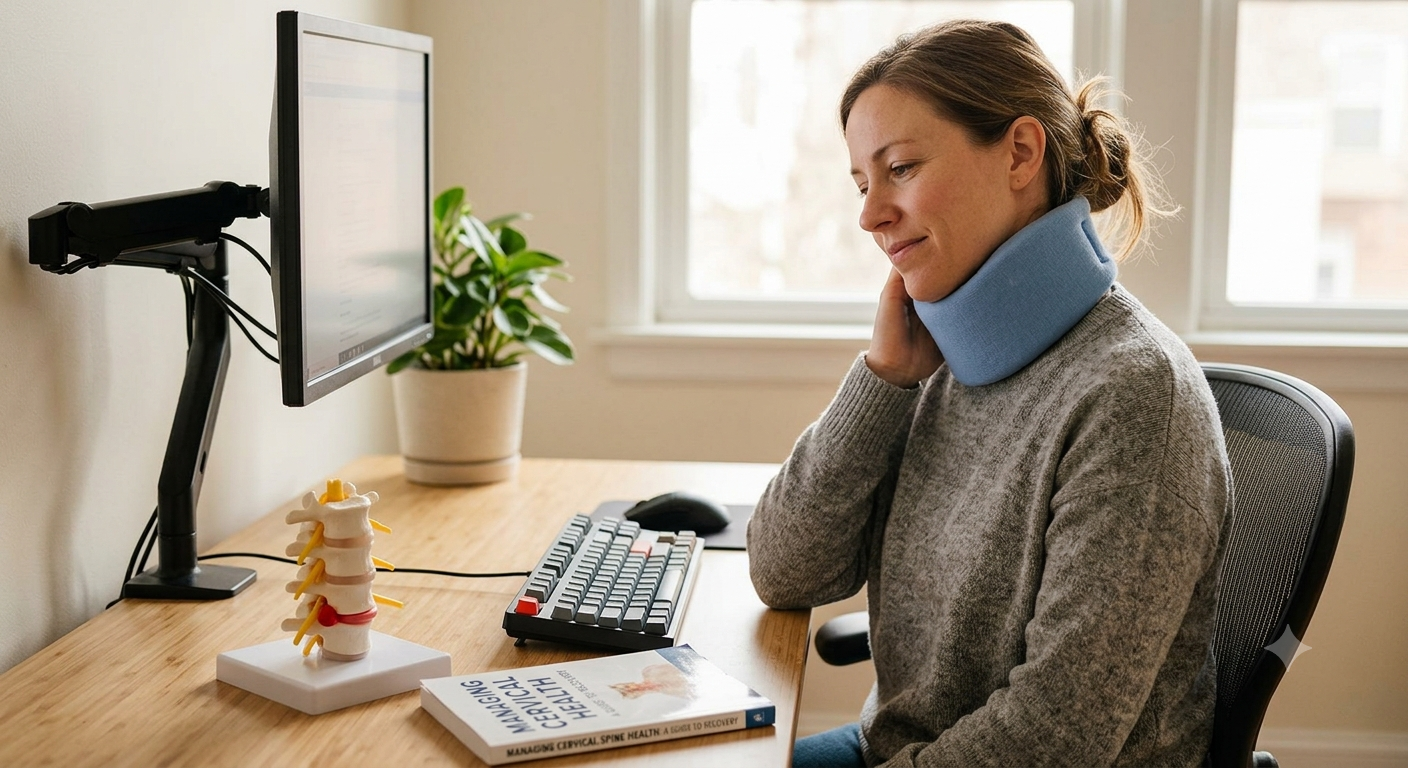
A pinched nerve in neck is a common condition usually caused by things around you putting pressure on a nerve in your cervical area. It can cause discomfort and pain in the neck region as well as numbness or weakness that shoots down your shoulder, arm, and into your hand.
The neck plays a vital role in many of the body’s everyday movements. It has to hold up your head while still being able to provide you with excellent range of motion. Because of the flexibility of the area and the bones, discs, muscles and nerves that make it up, the cervical region is particularly prone to becoming irritated or compressed.
A variety of activities and incidents can lead to a pinched nerve in neck, such as sitting at a computer for too long, poor posture, working out, or simply getting older. Sometimes the best thing for a pinched nerve is to simply let it rest and recover. However, other instances require more serious treatment.
Knowing the causes and symptoms of a pinched nerve can help you to recover better and keep your cervical region healthy and strong for years to come. For more practical strategies on managing common physical ailments safely, explore our expanding resource of digital health guides.
Why This Topic Matters
Neck pain is a common complaint among many adult populations, making it a physically dangerous condition for the human body. As a result, people often experience discomfort while performing everyday tasks, such as working at a computer, texting on a phone, playing sports, exercising, and sleeping. Although most cases of temporary neck tension are usually harmless, irritation of the cervical nerves can be particularly distracting and debilitating.
The current discussion on pinched nerves in the neck area is crucial since it provides a better understanding of specific sensations that can arise from the irritation of cervical nerves. In addition, there are essential reasons to distinguish between the effects of painful muscle contractions and compressed nerves. The latter usually manifests in such unpleasant feelings as burning, tingling, electric shocks, and numbness radiating from the cervical region to the upper limbs, impairing some of its regular functions (typing, driving, sleeping, etc.)
Therefore, the present situation involving a pinched nerve in the neck area is highly relevant since most individuals fail to differentiate between the uncomfortable sensations unique to irritated nerves and the dull pain caused by muscle spasms. As such, the failure to recognize the presence of a pinched nerve might lead to inadequate treatment and an extended condition, negatively affecting the quality of life. Finally, the topic of cervical nerve irritation is essential because the majority of conditions leading to it are related to the individual’s lifestyle, allowing most cases to be prevented through behavioral changes.
Understanding Pinched Nerve in Neck
A pinched nerve in the neck may occur due to several reasons. Thus, the cervical spinal nerve is compressed, and it loses its normal function. The cervical spine consists of seven vertebrae, labeled C1 through C7. Spinal nerves exit the spinal cord through the intervertebral foramina, which are the spaces between two vertebrae. There are several reasons why a person may experience cervical radiculopathy. One of the main reasons is that the intervertebral disc loses its function and begins to protrude, thus irritating the spinal nerve roots. This condition is known as cervical disc herniation.
Another reason for a pinched nerve in the neck is the narrowing of the intervertebral foramina. It is referred to as cervical foraminal stenosis. It may also be caused by spinal degenerative disease. The symptoms of a pinched nerve in the neck depend on several factors. They include the location of the affected nerve root, additional effects on the spinal cord, the level of pressure applied to the spinal nerves, the duration of the disorder, and the overall health state of the patient.
For example, the radial nerve irritation affects the arm area from the neck to the thumb and causes discomfort and pain. On the other hand, the ulnar nerve affects the arm, going from the neck to the little finger. It is essential to note that not all cases of cervical radiculopathy are severe. Sometimes, the inflammation disappears on its own without causing significant damage to the structures around the spinal nerves. However, if there is a protrusion or herniation of the disc, it will require surgical intervention.
Causes and Risk Factors
A variety of medical conditions and everyday habits can increase the risk of nerve compression in the neck. It is important to identify these factors in order to properly treat the issue. Here are some of these triggers:
Herniated or Bulging Discs
The herniated or bulging disc in the neck is among the most common causes of a pinched nerve. The condition is commonly caused by the protrusion of the inner core of the disc, which creates pressure on the adjacent nerve.
Disc issues are often the result of a slow degenerative process which occurs over time. In other cases, it may also be triggered by a traumatic injury.
Age-Related Spine Degeneration
Getting older often brings natural changes to the spine that may influence its overall health and stability. The discs lose their flexibility and volume while the joints become less mobile. These structural shifts decrease the space available for nerves and spinal cord.
While these problems may not necessarily be symptomatic, they can be a predisposing factor for a pinched nerve.
Poor Posture
Spending too much time looking down at a phone or a computer can put a considerable amount of stress on the cervical spine. The unnatural extension of the neck can trigger a series of degenerative changes that can further lead to a pinched nerve.
Injuries and Traumas
In some cases, a pinched nerve can be caused by a sudden impact to the back of the head, such as during a car accident or a sports-related activity. The trauma can cause abrupt movement of the neck and spine, which can put pressure on the nerves.
While a single incident may only cause minor issues, in some cases it may also be a major trigger for a pinched nerve, especially for those with pre-existing spine conditions.
Repetitive Strain
Exposure to overhead activities or repetitive motions can predispose the development of a pinched nerve. Jobs and other activities that require working in a bent position for extended periods of time can also become a trigger for nerve compression.
Muscle Weakness and Tension
Although muscle spasms and weakness alone cannot cause a pinched nerve, they can certainly exacerbate the condition and increase the degree of discomfort. Tight or weak muscles can also limit the range of motion in the neck area.
Pain and Other Symptomatology
The symptoms of a pinched nerve in the neck area can vary depending on the severity and the specific location of the condition. In some cases, there may be only a few minor discomforts while in others there may be considerable pain. Here are some of the most common manifestations of the condition:
Neck Pain
Depending on the site and the severity of the condition, pain may present in different ways. It may be localized over a particular area or it may radiate outwards.
Pain That Radiates Into the Shoulder or the Arms
One of the most recognizable signs of a herniated disc or pinched nerve is pain that travels along the affected nerve. The discomfort typically follows the path of the affected nerve and may extend into the shoulder, arms, forearm, hands, and even the fingers.
Numbness or Tingling
Numbness and tingling are common in various nerve conditions. They may present in different areas, ranging from the arms, shoulders, and neck down to the hands and fingers.
Muscle Weakness
If the affected nerve controls any of the muscles in the body, its malfunction can present with weakness as a symptom. It is most commonly manifested in the arms and the fingers but it can also occur elsewhere in the body.
Aggravation with Particular Movements
Pain from a pinched nerve may intensify when you move your neck in certain ways or perform particular tasks.These can include turning the neck, coughing, and various other motions which put additional pressure on the affected nerve.
Discomfort While Sleeping
Some people with a pinched nerve may experience difficulties with sleep due to the inability to find a comfortable position.
Warning Signs That Require Medical Attention
Although many cases improve with conservative treatment, certain symptoms should not be ignored. Seek medical advice if you experience:
- Persistent or worsening pain
- Significant arm or hand weakness
- Loss of coordination
- Symptoms following a serious injury
- Problems that interfere with daily activities
A healthcare professional can determine whether additional testing or treatment is needed.
Diagnosis and Medical Evaluation
Diagnosing a pinched nerve in neck usually begins with a detailed discussion about symptoms, medical history, and daily activities. A healthcare provider may ask questions about when the pain started, where symptoms travel, and which movements make the problem better or worse.
A physical examination may include checking:
- Neck movement
- Muscle strength
- Reflexes
- Sensation in the arms and hands
- Areas of tenderness
These evaluations help identify whether symptoms are likely related to nerve irritation or another condition.
Imaging Tests
If symptoms continue or there are concerns about nerve damage, doctors may recommend imaging tests.
MRI Scan
Magnetic resonance imaging (MRI) is commonly used because it can show soft tissues, including discs and nerves. It may help identify disc problems or areas where nerves are compressed, aligning directly with standard clinical diagnostic criteria used to evaluate severe spinal compression.
X-Ray
X-rays can show the alignment of spinal bones and certain changes related to aging or injury, although they do not display nerves directly.
CT Scan
A computed tomography (CT) scan may provide detailed images of the spine, especially in situations where additional information is needed.
Nerve Testing
In some cases, a physician may recommend nerve conduction studies or electromyography. These are diagnostic tests that examine the function of nerves and muscles and can help determine whether a nerve is compressed.
A correct diagnosis is essential, as there are many potential causes of neck pain, including muscle strain, joint issues, or other causes unrelated to nerves. It is important to identify the underlying cause of discomfort, as treatment can be delayed if an irrelevant issue is addressed.
Non-Surgical Treatment for a Pinched Nerve in Neck
The primary treatment for a pinched nerve in the neck is aimed at reducing irritation, restoring function, and reducing the risk of further damage. In most cases, conservative treatment is effective if the condition is addressed in time.
The mainstay of early treatment for a pinched nerve in the neck is modification of activities that aggravate the condition. It is important to note that this does not mean strict bed rest or a complete cessation of activities. Rather, it is a temporary adjustment of behaviors that increase discomfort to allow the body to heal and prevent additional stress to the spine.
The use of cold therapy is recommended to reduce inflammation and irritation during the early stages of the condition. Heat treatments can be used to help relieve muscle tension and discomfort in the later stages. It is important to understand that such measures only address the symptoms and do not affect the underlying pathology.
Physical Therapy
Physical therapy is often recommended to help patients with a pinched nerve in the neck restore function and reduce discomfort. The individual treatment plan is developed by a professional considering the patient’s symptoms, the range of motion, muscle strength, and the impact the condition has on the patient’s activities. Physical therapy is designed to help:
- Improve range of motion and flexibility
- Strengthen the muscles
- Enhance posture
Recommendations are individualized as some exercises can aggravate the condition.
Medication
The physician may recommend medications to reduce pain and inflammation. It is important to note that not all treatments are appropriate for every patient, and the choice of drugs depends on individual factors. In some cases, over-the-counter medications can be used, but individuals with contraindications or other conditions should consult a physician before taking any drugs.
Lifestyle Adjustments
It is often possible to reduce the stress on the cervical spine by making minor adjustments to everyday activities. For example, the position of the computer monitor can be adjusted to reduce the strain on the neck. Maintaining an upright position and avoiding prolonged flexion of the spine can help prevent the development of a pinched nerve. Making the sleeping position more ergonomic can also help reduce discomfort.
Assessment of Progress
The assessment of progress is an essential part of treatment, as it helps determine whether the current measures are effective. In most cases, a pinched nerve in the neck is a self-limiting condition, and symptoms should gradually subside with conservative treatment. However, if the opposite occurs, and signs of the condition progress, it is essential to consult a physician. The initial treatment of a pinched nerve in the neck aims to reduce discomfort and restore function. Making the necessary adjustments to activities and receiving professional help when needed can help ensure effective treatment and reduce the risk of recurrence.
Advanced Treatment Options for a Pinched Nerve in Neck
When initial approaches such as activity modification, physical therapy, and basic pain management do not provide enough improvement, healthcare providers may consider additional treatment options. The right approach depends on the underlying cause, severity of symptoms, duration of discomfort, and whether there is evidence of nerve damage.
It is important to understand that treatment is not focused only on reducing pain. The main goal is to address the reason the nerve is irritated while helping the person regain normal movement and function.
Prescription Medications and Targeted Treatments
For some people, a doctor might recommend medications to reduce inflammation, relax muscles, or relieve nerve pain. Medications may be considered when symptoms are more severe or persistent.
A variety of medications may be prescribed based on an individual’s overall health, other conditions, and possible side effects. Your doctor will determine if the benefits of medication outweigh the risks.
In some cases, injections may be an option to reduce inflammation and muscle tightness around the affected area. A cervical epidural steroid injection can sometimes help reduce pressure on the irritated nerve root, allowing the patient to better participate in physical therapy.
However, it’s important to note that injections are not a permanent solution, but rather a part of a broader treatment plan.
Specialized Physical Therapy Techniques
For persistent symptoms, a physical therapist may recommend more specialized treatment methods, such as stretching and strengthening exercises. A physical therapist may also suggest posture corrections along with other treatment techniques to support recovery.
A physical therapy program can help strengthen the muscles in the neck and upper back, which can take pressure off the spine.
A therapist may also assess the patient’s work environment and other aspects of their lifestyle that may contribute to postural strain.
Surgery
Conservative treatments are often effective, meaning most people do not need surgery for a pinched nerve in the neck. However, for some people, surgery may be an option if symptoms persist after other treatment methods have been tried.
The primary goal of surgery is to relieve pressure on the affected nerve root. The type of surgery is determined based on the underlying cause of the nerve compression.
Before recommending surgery, the doctor will discuss the possible benefits and risks and consider the following factors:
- How long the symptoms have been present
- The severity of symptoms
- The results of diagnostic tests
- Whether the condition limits the patient’s ability to carry out everyday tasks.
- How the patient responded to other treatments
Surgery is a complex procedure, and the decision to have it is always made on an individual basis after a thorough discussion with the doctor.
Home Care and Self-Help Measures
Most people can manage the symptoms of a pinched nerve at home. Self-care measures cannot replace professional medical treatment, but they can be an essential part of the rehabilitation process.
Avoid Prolonged Inactivity
It’s common for people with neck pain to limit their movements to avoid painful motions. However, it’s important to avoid prolonged inactivity as much as possible.
While it’s necessary to avoid aggravating activities, gentle movement and range-of-motion exercises within the recommended limits can help prevent stiffness and promote healing.
Make Adjustments to Daily Activities
Prolonged sitting, especially in a poor posture, can place extra stress on the cervical spine. This is especially true when working at a computer.
When using a computer or other screens, it’s important to maintain a proper posture and take regular breaks to move and stretch.
It’s also a good idea to avoid holding the head forward or down for long periods of time.
Sleeping Position and Pillow
The sleeping position can also play a role in the development of neck pain. It’s a good idea to avoid sleeping in a position that causes the head and neck to bend at an unnatural angle.
In some cases, changing the sleeping position or using a different pillow can help alleviate symptoms. However, it’s important to note that everyone’s needs are different, so it may take some time to find the most comfortable position.
Heat and Cold
Applying heat or cold to the affected area can help alleviate some symptoms.
It’s important to note that heat and cold therapy is only a short-term solution and should not be used as the primary treatment for a pinched nerve. It’s also important to avoid applying heat or cold for too long and to ensure that the skin is not irritated.
Avoid Activities That Put Extra Strain on the Neck
Activities that require carrying heavy bags on one side or the other, such as driving or using a cell phone between the shoulder and the ear, can cause uneven pressure on the spine. It’s important to avoid such activities if possible or make adjustments to reduce the strain on the neck.
Common Mistakes to Avoid
Managing a pinched nerve in neck requires patience. Certain habits may slow recovery or make symptoms worse.
Ignoring Persistent Symptoms
Some people continue normal activities despite worsening numbness, tingling, or weakness. Persistent nerve-related symptoms deserve attention because they may indicate ongoing irritation.
Attempting Aggressive Exercises Too Early
Exercise can be helpful, but intense stretching or heavy strengthening without proper guidance may increase discomfort.
A gradual approach is usually safer, especially during the early stages.
Relying Only on Pain Relief
Pain medication may reduce symptoms, but it does not always address the underlying cause. Long-term improvement often requires addressing posture, movement patterns, strength, and flexibility.
Poor Posture During Recovery
Even after symptoms improve, returning to the same habits that contributed to neck strain may increase the chance of recurrence.
Self-Diagnosing Without Evaluation
Neck pain can have many causes. Assuming every neck problem is a pinched nerve may delay proper treatment for other conditions.
Expert Tips and Best Practices
Healthcare professionals often emphasize a balanced approach when dealing with cervical nerve irritation. Recovery is usually influenced by both treatment and daily habits.
Focus on Long-Term Improvement
Temporary relief is helpful, but lasting improvement often comes from understanding what triggered the problem. This may involve improving posture, strengthening muscles, or changing repetitive activities.
Pay Attention to Symptom Patterns
Tracking when symptoms appear can provide useful information. Notice whether discomfort increases after certain activities, positions, or times of day.
This information can help healthcare providers understand the problem more accurately.
Avoid Complete Bed Rest
While short periods of rest may be useful during painful episodes, prolonged inactivity can contribute to stiffness and weakness.
Maintaining appropriate movement is generally an important part of recovery.
Follow Professional Guidance
A treatment plan should be adjusted based on progress. If exercises, medications, or other approaches are not helping, communicating with a healthcare provider allows changes to be made.
Prevention Strategies for a Pinched Nerve in Neck
Although not every case can be prevented, healthy habits can reduce the risk of developing neck nerve problems.
Maintain Good Posture
Keeping the head aligned over the shoulders reduces unnecessary stress on cervical structures. This is especially important during long periods of computer work.
Strengthen Neck and Upper Body Muscles
A strong support system around the neck and upper back can help maintain proper movement patterns.
Exercise programs should focus on overall strength and flexibility rather than isolated movements that create strain.
Take Regular Movement Breaks
Staying in one position for hours can increase muscle tension and stiffness. Short breaks involving walking or gentle movement can help.
Use Proper Lifting Techniques
Heavy objects should be lifted carefully to avoid sudden stress on the neck and spine.
Maintain Healthy Lifestyle Habits
Regular physical activity, balanced nutrition, and avoiding smoking can support overall spinal health.
When to Seek Professional Help
Many cases of a pinched nerve in neck improve with conservative care, but certain situations require medical evaluation.
Consider contacting a healthcare professional if:
- Neck pain continues despite home care
- Symptoms spread into the arm or hand
- Numbness or tingling becomes frequent
- Muscle weakness develops
- Pain disrupts your ability to work, sleep, or carry out everyday activities.
- Symptoms appear after an injury
Seek urgent medical attention if there is sudden severe weakness, major loss of coordination, or other serious neurological changes.
Early evaluation can help identify the cause and prevent symptoms from becoming more difficult to manage.
Conclusion
A pinched nerve in the neck can be much more serious than it may seem at first glance. The fact that this type of irritation affects the cervical section of the spine is inconvenient for a person since there are many vital functions controlled by these nerves. They regulate the work of the shoulders, arms, and hands.
Therefore, it is critical to determine the cause of the discomfort and get rid of it as soon as possible. Many consequences of a pinched nerve in the cervical spine can be avoided if the problem is addressed in time.
The main ways of struggle against the condition include physical therapy, exercises, and orthopedic procedures. However, these measures are usually recommended to be implemented under the supervision of a doctor. Moreover, it is vital not to load the neck to the maximum so as not to worsen the situation.
It is especially important to pay attention to the state of the spine in everyday life: correct posture, the choice of furniture, and even the way of sleeping has a direct impact on the state of the spinal column.
Frequently Asked Questions About Pinched Nerve in Neck
1. How long does a pinched nerve in neck usually take to heal?
There are several things patients need to know about the condition. First of all, how long does it take to recover from a pinched nerve? The answer depends on the situation, but in some cases, it may take only several days or weeks. In other cases, the process can be exhaustive.
2. Can a pinched nerve in the neck heal on its own?
In some cases, yes – for example, if the irritation is temporary and goes away on its own. However, if the discomfort persists, it is necessary to consult a specialist to determine the cause.
3. What are the symptoms of a pinched nerve in the neck?
The main sign of the condition is pain in the neck that often radiates to other parts of the body: the shoulder, arm, and even the hand. In addition, a person may feel numbness, tingling, or burning in these areas.
4. Can bad posture lead to a pinched nerve in the neck?
While poor posture alone cannot directly cause the condition, it can certainly contribute to it. This happens because a wrong posture puts additional strain on the muscles and spinal column.
5. Is it safe to work out with a pinched nerve?
It depends on the situation – in some cases, exercise can aggravate the condition. It is best to avoid strenuous activities while the discomfort persists. However, most forms of moderate exercise are generally safe for people with a pinched nerve.
6. When is surgery necessary for a pinched nerve?
Usually, surgical intervention is indicated if other conservative treatments have failed to relieve the symptoms. In addition, the operation may be necessary if there are signs of nerve compression.
7. Can the way you sleep cause a pinched nerve?
A pinched nerve in the neck can be caused by sleeping in an uncomfortable position. A healthy sleep environment can prevent the problem from occurring and ease the discomfort if it develops.