
The perfect cannolo relies on balance; a blistered, shatteringly crisp shell encasing a filling that’s simultaneously smooth without being creamy, sweet but not sickening, and rich without being cloying or heavy. The filling looks uncomplicated, but it’s the preparation that sets the filling for a cannolo. Too much liquid, and you have a limp shell, and too much sugar and the filling is run-down.
The filling is an Italian sheep’s-milk ricotta, mixed with sugar and other flavors like sweetened citrus peel, chocolate, or Pistachios.
Now, almost every filling uses an American whole-milk, cow’s milk ricotta because of availability.
The goal of this authentic Italian cannoli filling recipe is not to create a complicated dessert cream. It is to make a clean, balanced filling in which the ricotta remains the star. The most important steps are draining the cheese properly, sweetening it gradually, and keeping the finished mixture cold until the cannoli are ready to fill.
What Is Traditional Cannoli Filling Made Of?
Traditional cannoli cream is remarkably straightforward. The main ingredient is ricotta, followed by sugar and optional flavorings or garnishes.
For a home batch that fills approximately 12 medium cannoli shells, you can start with:
- 2 cups whole-milk ricotta, preferably sheep’s milk
- ¾ cup confectioners’ sugar, plus more if needed
- ½ teaspoon vanilla extract, optional
- ½ teaspoon finely grated orange zest, optional
- ¼ teaspoon ground cinnamon, optional
- ½ cup mini semisweet chocolate chips, optional
- Finely chopped pistachios or candied orange peel for garnish
These amounts are a starting point rather than a rigid formula. Ricotta varies considerably in moisture and richness, so the amount of sugar or additional ingredients may need a small adjustment.
Sheep’s Milk Ricotta vs. Cow’s Milk Ricotta
If you’re looking for the absolute traditional flavor you need to try and track down sheep’s milk ricotta. It’s richer, and a bit more distinct than a lot of the cow’s milk varieties you’ll find in the supermarkets.
Cow’s milk ricotta is perfectly fine for use in homemade desserts. Always look for whole milk ricotta, not low-fat, if possible. You’ll find a leaner cheese result in a filling that isn’t very rich, and the texture will likely be affected too.
The main thing is to not confuse using obscure ingredients for authenticity as being the most important goal possible – the dessert’s character comes from both the method and, to an extent, from the cheese used.
Why Draining the Ricotta Matters So Much
Perhaps the number one sin of homemade cannoli filling is too much liquid, which is why ricotta cheese draining for cannoli filling is such an important step.. Ricotta always contains whey. If any liquid stays in the cheese, the filling will likely be soft, thin and nearly impossible to pipe. Even worse, the moisture will travel through and soften the crisp shell.
To combat this, draining is important.
Scoop all the ricotta into a very fine-mesh sieve lined with either cheesecloth or a thin, clean kitchen towel. Place the sieve over a bowl. Pop in the refrigerator while all the additional liquid drains away.
How long this takes is dependent on your ricotta. Drier ricotta will need less time. A wetter type (like some supermarket versions) will need anywhere from several hours to all day.
Don’t just tip excess liquid off the top. A lot of liquid is really held within the curds themselves.
How Dry Should Ricotta Be?
You want ricotta that is creamy and moist but not watery.
After draining it should hold its form rather than flow out into a thin dairy sauce. It should have enough body that when a spoon is dipped into it the cheese will set on the spoon for a moment before sliding off.
Do not squeeze the ricotta too hard. You want to get rid of excess whey but maintain its soft delicate texture.
How to Make an Authentic Italian Cannoli Filling Recipe
Once the ricotta has been properly drained, the actual preparation is quick.
Step 1: Drain the Ricotta
Place the whole-milk ricotta in a fine-mesh strainer lined with cheesecloth. Refrigerate it over a bowl so the whey can drain away.
This step establishes the texture of the finished filling, so do not rush it simply because the mixing itself takes only a few minutes.
Step 2: Add the Sugar Gradually
Drain remaining ricotta into bowl with cheese mixture. Sprinkle in confectioners sugar over time, rather than all at once.
Mix (or gently stir) until sugar is incorporated and ricotta begins to appear smooth.
Confectioners’ sugar is convenient in that it dissolves quickly, which it will do here, unlike granulated sugar. If your confectioners’ sugar has starch in it (as most store-bought ones do), the few grams will help a little in developing body of filling.
Taste filling and decide before you add more sugar. If your filling doesn’t contain enough sugar to contrast the shell well but tastes like frosting, it is far too sweet.
Step 3: Add Flavoring
To create just a basic traditional style filling, you are already ready by using only the ricotta and sugar. For more flavor, try adding orange zest or cinnamon to the ricotta mixture – but just a pinch. Vanilla flavoring is found in many of the American versions, it’s really not needed for a true Sicilian flavored profile. The secret is to be sparse with all additions, as anything too strong can overwhelm the ricotta.
Step 4: Fold in Optional Additions
Mini chocolate chips, chopped pistachios, and finely diced candied orange peel can be folded into the finished cream.
You can also leave the filling plain and use these ingredients only as toppings. That approach gives you greater control over texture and presentation.
If using candied fruit, chop it finely enough that it does not interfere with piping the filling into the shell.
Step 5: Chill the Filling
Cover the bowl and refrigerate the cannoli cream before filling the shells.
Chilling helps the mixture firm up and makes piping easier. It also gives the flavors time to settle.
If the cream seems loose after chilling, resist the temptation to immediately add large amounts of sugar. The better solution is usually to evaluate the moisture level of the ricotta first.
Should You Strain or Whip Cannoli Cream?
The texture of a traditional cannolo can vary. Some cooks strain the ricotta twice with a very fine strainer, resulting in a very smooth filling. Other cooks prefer it less smooth.
To prepare a smooth filling: strain the ricotta through a very fine mesh strainer, then mix it in a bowl with sugar. This will ensure any large lumps of curds are separated.
This mixture can be lightly beaten with a hand- mixer but does not require a very stiff, meringue- like mousse like some people think. Do not overwhip it or it will become a mousse-like, airy mixture.
A very smooth filling is excellent for filling through a pastry bag. Otherwise, use a somewhat rougher-textured one – the kind I describe is actually not as rough as one might think, since I have beaten it lightly with a fork by hand and put the cream mixture back into its container for the final steps. You can always add another type of filling made from very fine crumbs, if you want the inside of the filling to be more refined.
How to Get the Right Cannoli Filling Consistency
The ideal consistency is thick, creamy, and pipeable.
It should move through a pastry bag without requiring excessive pressure, yet it should not be so soft that it immediately flows back out of the shell.
Several factors influence consistency:
The Ricotta
Different brands contain different amounts of moisture. This is why the same recipe can produce different results from one container of ricotta to another.
Draining Time
More drainage generally means a firmer cheese. Very wet ricotta may require significantly more draining than a drier variety.
Sugar
Sugar contributes sweetness and affects texture. Adding too much in an attempt to thicken wet ricotta can leave you with an overly sweet filling.
Temperature
Cold filling is generally easier to handle than warm filling. Keep it refrigerated until you are ready to pipe it.
Optional Ingredients
Chocolate chips, nuts, and candied fruit add texture and can make the filling feel thicker, but they should not be used as a substitute for properly drained ricotta.
Common Mistakes That Ruin Cannoli Filling
Cannoli cream does not require advanced pastry skills, but a few mistakes can make the result disappointing.
Using Wet Ricotta
This is the most common problem. If the cheese contains too much whey, the finished cream may be runny.
Better approach: drain the ricotta thoroughly before adding sugar.
Adding Too Much Sugar
A filling that is excessively sweet can overwhelm both the ricotta and the shell.
Better approach: add sugar gradually and taste as you go.
Filling the Shell Too Early
Cannoli shells are meant to remain crisp. Moisture from the filling eventually softens them.
Better approach: fill the shells shortly before serving.
Overmixing
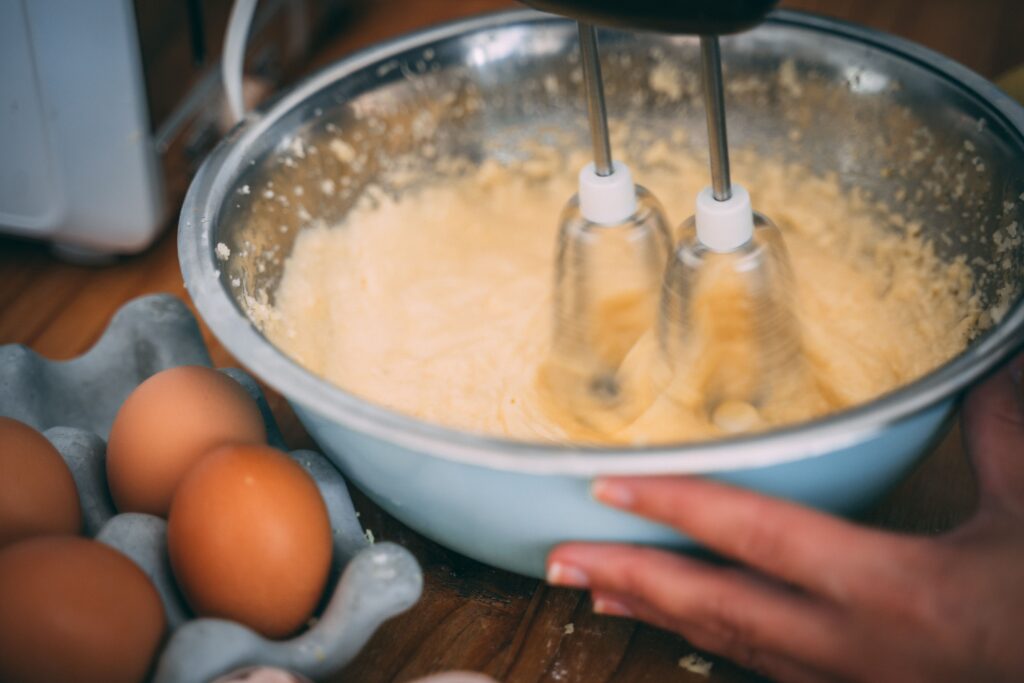
Aggressive mixing can change the texture and make the filling less appealing.
Better approach: mix just until the ingredients are evenly incorporated.
Using Low-Fat Ricotta
Reduced-fat ricotta may not provide the richness and texture expected from classic cannoli cream.
Better approach: use whole-milk ricotta when available.
Adding Too Many Mix-Ins
Chocolate, pistachios, citrus, and other additions can all be delicious, but using too many at once can obscure the central flavor.
Better approach: choose one or two complementary additions.
Traditional Flavor Variations Worth Trying
There is no need to make every batch identical. Cannoli fillings can be adapted while preserving the basic ricotta foundation.
Chocolate Chip Cannoli Cream
Mini chocolate chips are one of the most familiar additions. Their small size makes them easy to incorporate and provides a pleasant contrast with the smooth ricotta.
Use them sparingly enough that the filling remains creamy rather than becoming mostly chocolate pieces.
Pistachio Cannoli
Finely chopped pistachios can be folded into the filling or sprinkled over the ends after piping.
For a more polished presentation, pipe the filling into both ends of the shell and dip each end into chopped pistachios.
Orange and Candied Citrus
The cream is enlivened with the flavor of fresh oranges via the zest, sweetens and adds chew with finely diced candied orange peel. This is a particularly good if you’re aiming for a filling that is quite distinctly Mediterranean, with a non-chocolate base.
Cinnamon
A small amount of cinnamon can add warmth without dominating the dairy flavor. Use it lightly because the filling should still taste primarily of ricotta.
Plain Ricotta Cream
There is also something to be said for keeping the filling simple. A carefully drained ricotta sweetened with confectioners’ sugar can make an excellent cannolo without chocolate or fruit.
That minimalist version puts more emphasis on the quality of the cheese and the crispness of the shell.
How to Fill Cannoli Shells Without Making a Mess
A piping bag makes the process much easier when following easy pastry filling and piping tips for clean and consistent desserts.
Spoon the chilled filling into a piping bag with a tip of choice (round or open tip is best). If you don’t have a piping bag, one half of a sturdy food storage bag with one tip snipped off works fine if you’re making a more relaxed version.
Hold the shell lightly but securely in your hand. Stick the tip of the piping bag into one end, then pipe in until the middle is filled. Turn the shell around, then pipe the filling in again from the opposite end of the shell.
Don’t “stuff” the shells aggressively with the filling. One wrong move and you can crack the shells!
To finish them, add whatever finishing touch you desire, such as chopped pistachios, mini chocolate chips, or tiny bits of candied citrus rind to each end.
A very light sprinkling of powdered sugar just before you present them give the cannoli that familiar store-bought look.
When Should Cannoli Be Filled?
Ideally, cannoli should be filled as close to serving time as practical.
This recipe utilizes the contrast between a crispy shell and wet filling. It is possible to oversoak the shell if the moisture has more contact with the fried pastry for too long.
If entertaining, prepare filling in advance and store in separate container in refrigerator; Keep shell(s) crisp and moist just prior to being passed around. This method is easier for hosts and messy tasks are out of the way prior to time to entertain.
How to Store Cannoli Filling
The filling should be handled like refrigerated dairy. It’s kept in the refrigerator rather than allowed to sit at room temperature for long periods.
To get the optimum cream consistency and flavor, only make the cream in advance as needed in your serving arrangement. The acceptable storage time depends on how fresh the ricotta and other elements were when purchased and handled, but ricotta should be considered a time-sensitive ingredient.
Store the filling and shells separately. Keeping assembled cannoli in the refrigerator too long will make a crispy shell rather doughy and sad.
If you are making several components for a party, store your ricotta cream in an airtight container in the refrigerator, and the shells in a cool, dry place as per the manufacturer or the recipe itself.
Can You Make the Filling Ahead of Time?
Indeed-The anticipation itself might lead you to get a bit ahead on the filing, and the end product will only come together more conveniently!
Drain the ricotta, stir in the cream, cover and refrigerate until ready to pipe it. Give it a good whisk once again before you pipe, to check consistency.
If it looks especially slack now, don’t just give it a big scoop of sugar-you may also want to look to see if the ricotta was not drained enough in the first place, or if liquid has seeped in from another element.
Keep the shells aside until it’s time to put everything together.
For the best texture, the final filling step should be relatively close to serving.
What Makes This Approach More Authentic?
Using the word ‘authentic’ can be deceiving as far as desserts go when they are passed down through families and the generations. There is not necessarily just one traditional cannoli recipe that every Sicilian house must be following.
Having said that, these are a few indicators of a Sicilian preparation: ricotta as the star, moderate sweetness, thoroughly drained, traditional adornments such as candied fruit peel, pistachios and/or chocolate pieces.
The true cannoli recipe will likely be a shorter one. A long one is not always beneficial here; sometimes simpler can be better, and if you have few (read, short list of) ingredients it shows their quality will stand out.
Whipped cream based fillings and much too sweet, or heavy flavored filling will not likely take on the personality of a pure ricotta cannoli, but they are sure delicious. When cooking a cannoli at home, the key to staying on the right track will be keep those elements consistent: fluffy, creamy ricotta, not too sweet, crisp, Italian flavored shells.
A Simple Formula for Better Results Every Time
If you bake cannoli often, consider the recipe more of a technique than a strict list of amounts to add.
Use a good, whole-milk ricotta and allow to drain until it’s thick and creamy. Sweeten incrementally and add just enough flavoring to highlight the cheese’s taste. Refrigerate the filling, then spoon into crispy shells moments before it’s to be consumed.
This technique is more reliable than attempting to “set” a runny filling after having added the sugar and flavorings.
This also allows for adjustment: naturally-sweet ricotta will need far less sugar; a virtually bland cheese will perhaps require a hint more citrus or spice. The final filling should taste wonderful alone, and yet stand in relation to the fried dough.
Final Takeaway
A successful authentic Italian cannoli filling recipe depends less on a long ingredient list than on careful handling of a few simple components.Begin with quality ricotta. Sheep’s milk is more typically Sicilian; drain it before adding a bit of sugar. Confectioner’s sugar gradually, then use citrus, cinnamon, chocolate, pistachios or Candied fruit to create your favorite interpretation.
Above all, keep your cream cool and separate from the shells until you are ready to fill.
It is only then that the contradiction which is so exciting about cannoli – crisp, cool, carefully sweet cream in a crisp shell – comes to play.
Frequently Asked Questions
1.What cheese is traditionally used in Italian cannoli filling?
Traditional Sicilian cannoli filling is based on ricotta, with sheep’s milk ricotta being especially traditional and traditional Sicilian cannoli ingredients helping preserve the dessert’s classic character.
Whole-milk cow’s milk ricotta is a practical substitute and is widely used in homemade versions.
2.Why does ricotta need to be drained for cannoli filling?
Draining removes excess whey and creates a thicker, creamier filling. If the ricotta is too wet, the filling can become loose and moisture can soften the crisp cannoli shell.
3.Can I use regular cow’s milk ricotta?
Yes. Sheep’s milk ricotta gives a more traditional Sicilian character, but whole-milk cow’s milk ricotta can produce an excellent filling. The key is choosing a good-quality ricotta and draining it thoroughly.
4.What can I add to traditional cannoli filling?
Common additions include mini chocolate chips, candied orange peel, pistachios, cinnamon, and citrus flavors. Some traditional preparations also use orange blossom water.
5.Why is my cannoli filling too runny?
The most common reason is excess moisture in the ricotta. Drain the cheese longer before mixing. Adding excessive sugar is not a good substitute for properly draining the cheese because it can make the filling overly sweet without solving the moisture problem.
6.How long before serving should I fill cannoli shells?
Fill the shells as close to serving as possible. Moisture from the ricotta gradually softens the fried pastry, so filling them shortly before eating helps preserve the classic crisp shell and creamy center.
7.Can I make cannoli filling ahead of time?
Yes. The ricotta filling can be prepared and refrigerated ahead of assembly. Keep it covered and chilled, then pipe it into the shells shortly before serving for the best texture.
Conclusion
A truly satisfying authentic Italian cannoli filling recipe depends on a few simple details rather than a complicated ingredient list. Be sure to have well-drained ricotta-ideally sheep’s milk ricotta for truly authentic Siciliana-style flavor-sweeten the filling judiciously, so that the cheese is the star, not the sugar. Chocolate chips, candied orange peel, pistachios, citrus are all appropriate embellishments without overshadowing the ricotta filling. Most critical:keep the filling chilled and separate from the pastry tubes until ready to fill and serve.
This will allow the delightful contrasting textures (crisp, shell paired with creamy, cool filling) of a cannolo, so integral to the enjoyment, to be maintained.
Homemade cannoli filling,when made with quality ingredients and well-drained cheese,is can taste shockingly similar to the ricotta filling of Sicilian pasticcerie.