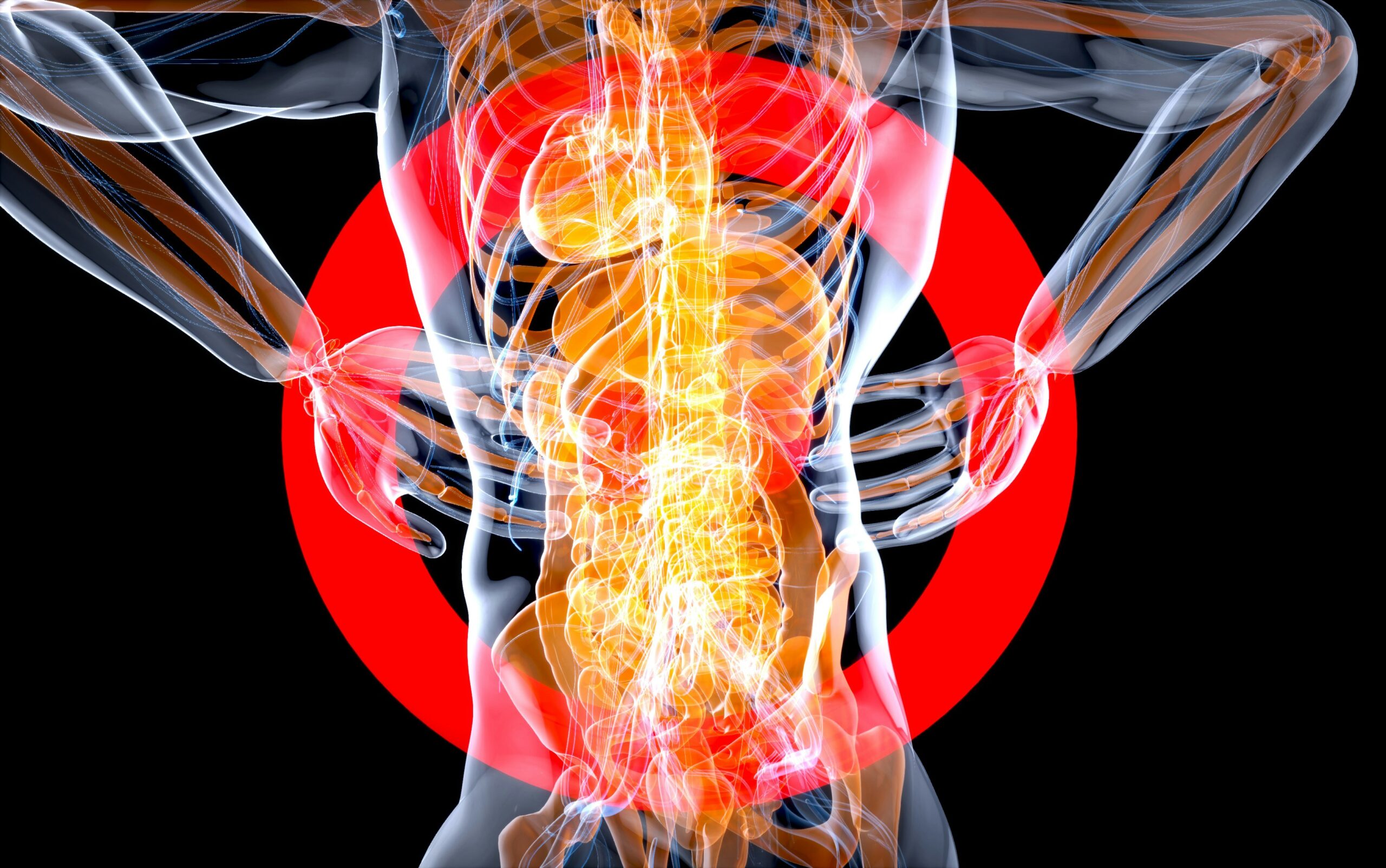
The logical thought that occurs to a patient when lower back pain develops years after an epidural procedure is whether the epidural caused the pain. It is easy to make that link, particularly when the pain is localized around where the injection was given. However, simply establishing that the events have occurred at different points does not create an association. It is important to note that only a small minority of women who have a spinal anesthesia block or who have had an epidural during labor have chronic back pain attributed to the block and there are a large number of other possible causes for problems of the lower back.
Epidural anaesthesia is a method by which general anesthesia or pain can be induced around specific nerves (regional anaesthesia). In many procedures, during labor, caesarean sections and surgery epidural analgesia is utilized to block the nerve responses. Alternatively, epidural steroid injections do not create anesthesia at all but can help to treat certain types of leg and low back pain.
If patients report low back pain years after the delivery of the epidural, we should ask why-but primarily the important questions are related to what the back pain is like, is the pain getting worse? And is there anything other than epidural that explains that particular back pain- are there any neurological signs to the pain? Or is there any other spinal, muscular or joint and pelvic process that causes that pain?
Can an Epidural Cause Lower Back Pain Years Later?
Some tenderness/stiffness around the injection site for a brief while is not uncommon after the procedure but chronic long term backache should be unusual. The Cambridge University Hospital patient guidelines to the patient specifically say thatepidurals do notcause long term chronic back ache.
When considering lower back pain from epidural years later, research also suggests that long-lasting back pain after epidural anesthesia is complicated by other factors.People that had lumbar epidural anaesthesia, one trial revealed that development of new back pain after 3 months was not prevalent and persistence cases were overwhelmingly correlated with pre-existing back pain after the epidural placement. A trial on women with epidural labour anaesthesia revealed that although back pain postnatally was not uncommon, persistent back pain was uncommon and pregnancy back pain was highly correlated with post-delivery back pain. It is important to differentiate these patients as there are numerous causes of developing back pain post-epidural, that have not been caused by epidural insertion.
What the evidence suggests
Complications of the epidural procedure involving the nerve, infection, bleeding or other structures around the spine are rare spinal complications. If it occurs it will occur relatively early and not first become apparent at an unrelated point decades later, permanently. However, a serious neurological permanent complications would be extremely rare.
None of the above suggests that an individual with pain is simply to ignore it because of past exposure to epidural injections. Patients with symptoms that persists or who develop new symptoms needs to be appropriately assessed, especially if there is change in there symptoms or if they developing neurological symptoms.
Why Back Pain May Appear Years After an Epidural
Years after an epidural, several much more common explanations may account for lower back pain.
Muscle strain and physical stress
The muscles supporting the lower spine can become painful after repeated lifting, strenuous exercise, prolonged sitting, poor posture, or an abrupt increase in physical activity.
When considering lower back pain from epidural years later, someone may also develop back pain gradually from spending long hours at a desk, driving, caring for children, or performing physically demanding work. The pain can occur near the lower back regardless of where an old epidural was placed.
Disc degeneration or a herniated disc
The spinal discs naturally change with age, contributing to age-related spinal changes in some people. A disc may lose some of its flexibility or develop a bulge or herniation that irritates nearby nerves.
Pain from a disc problem may remain in the lower back or travel into the buttock, thigh, or leg. Numbness, tingling, burning pain, or weakness can point toward nerve irritation.
These conditions can develop years after an epidural without being caused by the anesthetic procedure.
Arthritis and age-related spinal changes
The facet joints of the spine are those at the rear and do tend to deteriorate gradually as a result of degenerative wear and tear. A persistent ache or stiffness, especially with long periods spent on your feet or while standing or walking (or other types of movement), can result. However, degenerative changes can affect any of the discs of the spine, the vertebrae themselves, the ligaments, and any other supportive tissues of the spine and it often comes about, gradually, that an unrelated medical condition is not noticed for several years.
Sacroiliac joint problems
The sacroiliac joints connect the lower spine to the pelvis. Dysfunction or inflammation in this area can cause pain on one or both sides of the lower back or buttocks.
This can sometimes be confused with pain coming directly from the lumbar spine or an old injection site.
Changes after pregnancy
When considering lower back pain from epidural years later, it is important to recognize that pregnancy itself can be an important consideration for people who had an epidural during childbirth. Pregnancy places substantial mechanical and hormonal demands on the lower back and pelvis. Changes in posture, abdominal muscle function, pelvic structures, activity levels, and body weight can continue to influence back symptoms after delivery.
Consequently, persistent postpartum or later-life back pain should not automatically be attributed to the epidural.
When an Epidural-Related Problem Is More Concerning
There are very few possible long-term negative consequences as chronic back pain isn’t regarded as a natural long term consequence of an epidural, but there are extremely rare complications associated with epidural analgesia. There are sometimes cases where either an epidural needle or epidural catheter could impinge on a nerve. Also, though it is rare, infection and bleeding around the spinal anatomy can also occur.NHS information advises that transient symptoms of nerve problems may take days or weeks to recover but that permanent nerve damage is very rare.
I would be much more worried about an serious complication of an epidural than isolated, mild, sore back.
Warning symptoms include:
- New or worsening leg weakness
- Significant numbness or loss of sensation
- Difficulty walking
- Loss of bladder or bowel control
- Difficulty urinating
- Severe or rapidly worsening back pain
- Fever with significant back pain
- Redness, swelling, or drainage around the former injection area
- Numbness around the groin or inner thighs
A spinal infection or epidural hematoma can put pressure on nerves or the spinal cord and requires urgent treatment. Hospital guidance emphasizes that these complications are rare but need prompt recognition when they occur.
A Special Case: Accidental Dural Puncture
During an epidural procedure, the needle is designed to enter the epidural space. Sometimes the needle can accidentally go through the dura which is the membrane lining the spinal fluid.
The most well known complication is a post dural puncture headache. Typically this occurs fairly soon after the procedure, it has definite features to it, it can get worse when sitting upright.
Investigations into whether accidental dural puncture can be associated with longer term problems has also been explored. One case-control study indicated a greater incidence of both chronic headache and chronic back pain occurred in women with unintentional puncture during labor epidural placement.
When considering lower back pain from epidural years later, this finding should be interpreted carefully. It does not mean that every person with back pain years later had an epidural complication. It indicates that certain procedural complications may be associated with later symptoms in some patients.
If you were specifically told that a dural puncture occurred during your epidural, that information is useful to share with your doctor when discussing unexplained neurological or spinal symptoms.
How Doctors Determine the Cause of Long-Term Back Pain
There is no single test that can prove an old epidural caused current back pain. Diagnosis usually begins with the history and physical examination.
1. Review the history
A clinician may ask:
- When did the pain begin?
- Was there back pain immediately after the epidural?
- Did the pain disappear and return years later?
- Is it constant or intermittent?
- Does movement make it worse?
- Does it travel down one leg?
- Is there numbness or tingling?
- Have you experienced weakness?
- Was there an epidural complication at the time?
- Have you had other spinal injuries or surgeries?
- What activities trigger the pain?
The timing can provide important clues. Pain that existed immediately after the procedure and continued continuously may warrant a different evaluation from pain that disappeared for many years before returning.

2. Perform a neurological examination
A doctor may check muscle strength, reflexes, sensation, walking ability, and specific movements.
These findings can help distinguish ordinary muscular pain from nerve-related problems such as radiculopathy.
3. Consider imaging when appropriate
A diagnostic imaging study such as an MRI is not always necessary for every patient experiencing back pain; but can be prescribed in correlation with signs and symptoms as revealed upon a clinician’s physical examination. An MRI gives information about discs, nerves, stenosis of the spinal canal, infection, and other structural anomalies of the spine; again, what is being examined varies by test.
4. Look beyond the spine
Back pain can sometimes originate from areas outside the lumbar spine. Depending on symptoms, clinicians may consider the hips, sacroiliac joints, kidneys, abdomen, pelvis, or other structures.
This is one reason a complete assessment is more useful than focusing exclusively on the old epidural site.
What You Can Do for Mild, Non-Emergency Back Pain
If your symptoms are mild and there are no warning signs, conservative measures are often a reasonable starting point.
Keep moving
Extended bed rest can make ordinary back pain harder to manage. Gentle movement and regular activity can help maintain mobility.
Walking, light stretching, and gradual return to normal activities may be more helpful than avoiding movement altogether.
Improve posture and work habits
If you spend much of the day sitting, adjust your workstation so that your back and hips are comfortably supported. Change positions regularly rather than staying in one posture for hours.
The goal is not to maintain one perfect posture all day. Frequent movement is generally more practical.
Use heat or cold appropriately
A cold pack may be useful after a recent flare or activity-related strain, while heat can feel soothing for muscle tightness and stiffness.
Protect the skin and avoid prolonged direct exposure.
Strengthen gradually
Once acute discomfort has settled, strengthening the muscles around the abdomen, hips, and back can improve physical function as part of a healthy back care routine. A physical therapist can help design exercises appropriate for your symptoms, especially if pain keeps returning.
Review medications with a professional
Some people benefit from over-the-counter painkiller tablets, but these are not right for everyone, depending on your medical history: such things as kidney problems, stomach ulcers, treatment with blood thinners, pregnancy, allergies and many more, all can contribute to the type of drugs that you can safely take.
If your back pain continues to need constant medication there is obviously no point constantly treating the symptom rather than the cause, a consultation with a medical professional would be appropriate.
Common Mistakes to Avoid
One of the biggest mistakes is assuming that every problem near the injection site must be an epidural injury.
The location of pain does not establish its cause. The lumbar region contains muscles, joints, discs, nerves, ligaments, and other structures, any of which can become painful.
When considering lower back pain from epidural years later, another mistake is assuming that pain occurring years later must have been caused by something that happened years earlier. A condition can have a delayed presentation, but many common causes of back pain develop independently over time.
Similarly, it can be harmful not to investigate new neurological symptoms just because the pain seems familiar. A chronic history of slightly sore back will not prevent new numbness, weakness or bladder issues from being dangerous.
In the last case, keep searching the internet for clues to pain is dangerous-there can be clues that the danger signs are showing but there is no substitutes for a doctor to use the fingers to differentiate the causes.
When to Seek Medical Care
Make a routine appointment if:
- Your pain continues for several weeks.
- It repeatedly returns.
- It interferes with sleep, work, or normal activity.
- Pain travels into the buttock or leg.
- You experience persistent tingling or numbness.
- Home measures are no longer helping.
- The pain is gradually becoming more severe.
Seek urgent medical attention if:
- You develop new leg weakness.
- You lose control of your bladder or bowel.
- You cannot urinate normally.
- You develop numbness around the groin or inner thighs.
- Severe back pain occurs with fever or significant illness.
- Pain becomes severe and rapidly progressive.
- You have significant neurological changes.
These symptoms can indicate nerve compression or another serious spinal problem and should not be attributed automatically to an old epidural.
What If the Pain Started Immediately After the Epidural?
Timing can be even more important when the pain symptoms were noticed soon after procedure.
Studies of obstetric epidurals have noted that acute labor-induced backache soon after birth predict chronic backache some months later. However, association does not equal proof, and epidural could not even have damaged the spine by causing it, labor, position during labor, muscle pulls, changes to body during pregnancy or other preexisting back problems.
Report it to the doctor if you recall very immediate post procedure pain that never fully resolved; old records may also be helpful where it documents traumatic epidural insertion, numerous insertion attempts, dural puncture, infection, neurological signs, or another complication.
Does the Number of Epidural Attempts Matter?
Multiple attempts can cause more local tissue irritation and may be associated with short-term soreness. Research has also investigated whether technical factors influence persistent pain.
When considering lower back pain from epidural years later, one study of patients without previous low back pain who received lumbar epidural anesthesia for non-obstetric surgery found that persistent low back pain at 13 weeks occurred in a small proportion of participants. Multiple epidural placement attempts, higher body mass index, certain surgical positioning, and longer surgery were identified as risk factors in that study.
That does not establish that multiple attempts cause back pain years later. It simply shows why the circumstances surrounding the original procedure can be relevant when evaluating persistent symptoms.
Epidural Anesthesia vs. Epidural Steroid Injection
It’s helpful to know there are varied types of “epidurals”.
Epidural anesthesia or analgesia are medications to block pain or reduce sensations during labor, childbirth, surgery. An epidural catheter is placed into the epidural space where medication is injected continuously.
Epidural steroid injections are a method of treating some forms of back and leg pain. They typically include both a corticosteroid, and a local anesthetic, and their intended use is to decrease inflammation and irritation to spinal nerve roots.
An epidural injection does not imply the patient had epidural anesthetic sometime prior. If a patient is looking to determine the type of procedure performed in the past, their medical chart needs to be reviewed carefully.
The evidence concerning epidural injections for chronic spinal pain varies greatly according to diagnosis, and the method of injection. While some literature support its use in selected condition, such as herniated discs with radicular findings, a few guidelines concluded that epidural injections offer no meaningful benefit for some forms of chronic axial back pain.
Can You Prevent Back Pain Years After an Epidural?
There’s no specific long term exercise and therapy needed just because you’ve had a past epidural. In general terms the approach to preventing problems is identical to how it’s done for other areas of back health. Keeping active; increasing strength gently; not staying still for long periods; having correct lifting techniques; addressing persistent pain when it arises all sound like reasonable approaches.
If an ongoing problem such as arthritis, a disc condition or recurring sciatica is causing the problems then focusing the approach on that particular problem rather than on a past epidural would appear more appropriate.
In women who’ve had an epidural to deliver their baby strengthening after the pregnancy should focus on general recovery patterns before returning to exercise.
Final Takeaway
Lower back pain from epidural years later can be a legitimate concern, but an old epidural is not automatically the explanation. Most post-epidural soreness is short-lived, and current clinical guidance does not consider epidurals a typical cause of chronic long-term backache.
Pain that is noticeable years later has to be related to more probable concerns including muscle strain, disk degeneration, arthritis, sacroiliac joint disorder, previous history of back pain, age or changes related to pregnancy and exercise. There are rare rare side effects to epidural procedures that can lead to neurological deficits, though other warning signs were present, and an assessment by your doctor needs to be arranged for these concerns. Instead of pointing blame to an epidural, the more constructive thing to do is assess timing, pain distribution and related symptom features.
Persistent, worse, refers into legs and accompanied numbness/weakness can and will warrant examination by your provider to identify appropriate management options.
Significant and worsening pain with neurological deficits or bladder/bowel concerns require prompt assessment.

Frequently Asked Questions
1.Can an epidural cause lower back pain years later?
An epidural is not generally considered a cause of chronic long-term back pain. Studies have found no increased risk of chronic low back pain after epidural anesthesia compared with other forms of anesthesia. Back pain that develops years later is often related to other factors, such as disc changes, muscle strain, arthritis, previous back problems, or changes associated with aging.
2.Is it normal to have back pain after an epidural?
Mild soreness, tenderness, or stiffness around the injection area can occur shortly after an epidural and usually resolves within a few days. Persistent back pain is much less common. Research has found that long-term pain after epidural anesthesia is often associated with pre-existing back pain rather than the procedure itself.
3.Can an epidural cause permanent nerve damage?
Permanent nerve damage is a rare complication of epidural or other neuraxial anesthesia. When nerve-related problems occur, symptoms may include weakness, numbness, altered sensation, or difficulty walking. New or worsening neurological symptoms require prompt medical assessment rather than being assumed to be an ordinary effect of an old epidural.
4.Why might my back hurt years after an epidural?
Back pain years later can have many possible causes, including a herniated or degenerating disc, arthritis, muscle strain, sacroiliac joint problems, spinal stenosis, previous injuries, or changes related to pregnancy and physical activity. The location of the pain near an old injection site does not by itself prove that the epidural caused it.
5.Does having multiple epidural attempts increase the risk of back pain?
Some research has identified multiple attempts at epidural placement as one factor associated with persistent low back pain after non-obstetric surgery. However, persistent pain was still relatively uncommon, and these findings do not establish that multiple attempts cause back pain many years later.
6.Can an epidural cause back pain after childbirth?
Back pain after childbirth is relatively common, but research has not established epidural anesthesia as the main cause of chronic postpartum back pain. In one prospective study, women who received an epidural did not have a higher rate of chronic low back pain one year after delivery than women who did not receive one.
7.What if my back pain started immediately after the epidural and never went away?
If pain began immediately after the procedure and persisted, tell your healthcare provider about the timing. This history can help distinguish procedure-related symptoms from conditions that developed later. Research has found that backache immediately after childbirth was associated with later reports of long-term backache, although this does not prove that the epidural itself was responsible.
Conclusion
Lower back pain from epidural years later can raise understandable concerns, but an old epidural is not automatically the cause of pain that develops long afterward. Research generally does not show that routine epidural anesthesia increases the risk of chronic back pain, and most short-term soreness resolves relatively quickly.
Actually pain that develops years later more commonly results from age-related conditions like degeneration, arthritis, pulled muscles, spinal abnormality, past trauma or changes after childbirth, rare extradural complications can produce permanent neurological deficits, especially if an unexpected dural puncture was incurred along with other untoward incidents. It is worth seeing a doctor if pain lasts longer than expected, gets progressively worse or shoots down the leg or is associate with numbness or weakness. Above all else: the source of the pain needs to be pinpointed.