Vision is not simply a function of eyesight. In order to see at ease and with clarity, both of your eyes must work together in unison. If they are not, everyday tasks such as reading, driving, working on the computer, or even shopping can prove to be difficult or almost impossible. The problem is often referred to as binocular vision dysfunction.
It is vital to comprehend the etiology of binocular vision dysfunction since there are a variety of visual therapies that could abate the uncomfortable manifestations experienced by the patient. The management of the condition necessitates a thorough eye examination.
What Is Binocular Vision Dysfunction?
The issue occurs when the optical centers of the eyes are misaligned, regardless of how well the person can see. Even being out of alignment by a fraction of a millimeter can cause the eyes to make extra work for themselves trying to form a coherent image. This can lead to various vision-related problems, as well as headaches and tiredness. It is also important to note that binocular vision dysfunction is not the same as poor eyesight; a person can have issues with eye coordination even if their eyesight is perfect.
Why Proper Eye Teaming Matters
Every day visual tasks rely on accurate eye coordination. When both eyes move together efficiently, the brain receives consistent visual information, making activities feel effortless.
Healthy binocular vision supports:
- Comfortable reading
- Accurate depth perception
- Clear single vision
- Smooth tracking of moving objects
- Stable balance during movement
- Hand-eye coordination
- Safe driving
- Efficient computer work
When this coordination breaks down, even simple daily activities can become physically exhausting.
How Normal Binocular Vision Works
To understand binocular vision dysfunction, it helps to know how healthy binocular vision functions.
Each eye sees the world from a slightly different angle. The brain combines these two images into one unified image, a process known as binocular fusion.
Several systems must work together successfully:
Eye Alignment
Both eyes must point at exactly the same object.
Eye Movement
The muscles surrounding each eye coordinate precise movements so both eyes shift focus simultaneously.
Focusing Ability
The eyes adjust focus together when looking at objects that are near or far.
Brain Processing
The visual centers of the brain merge the two images into one stable picture.
If any part of this system becomes inefficient, binocular vision dysfunction may develop.
Understanding Eye Alignment
Eye alignment is controlled by six muscles that surround each eye. The brain controls these muscles which allows for movement of the eyes in all directions,
but if a slight imbalance occurs, the brain must constantly compensate for the misalignment. Eye turns are often large and noticeable, but in the case of BVD, the eye misalignment can be small and not nearly as apparent.
This is the reason why friends, family members and even routine eye exams may not recognize binocular vision dysfunction.
What Causes Binocular Vision Dysfunction?
Binocular vision dysfunction can develop for several different reasons. Sometimes the exact cause cannot be identified, while in other cases it follows a clear event or medical condition.
Natural Eye Muscle Imbalance
Some people are born with slight misalignment of one or both eyes that becomes more severe as they age or as their visual needs change throughout school or into their career.
The brain can sometimes compensate for several years before visual problems begin to occur.
Head Injury or Concussion
Traumatic brain injuries are among the better-recognized causes of binocular vision dysfunction.
Even a mild concussion can affect the brain’s ability to coordinate eye movements, resulting in symptoms that persist long after the initial injury has healed.
People may begin experiencing:
- Double vision
- Reading difficulty
- Dizziness
- Motion sensitivity
- Eye fatigue
These symptoms sometimes develop weeks or even months after the injury.
Stroke or Neurological Conditions
Certain neurological disorders can interfere with the nerves that control eye muscles.
Possible contributing conditions include:
- Stroke
- Multiple sclerosis
- Parkinson’s disease
- Cranial nerve disorders
- Brain injuries
Not everyone with these conditions develops binocular vision dysfunction, but eye coordination problems may occur as part of the disease process.
Aging
As people age, natural changes affecting muscles, nerves, and focusing ability may contribute to binocular vision problems.
Age-related changes do not automatically cause binocular vision dysfunction, but they can make existing alignment issues more noticeable.
Eye Muscle Disorders
Certain medical conditions directly affect the muscles responsible for eye movement.
Examples include thyroid eye disease, muscle weakness disorders, and nerve palsies that interfere with normal eye positioning.
Visual Stress
Extended periods of close work may not directly cause binocular vision dysfunction, but they can worsen symptoms in people who already have a subtle eye alignment problem.
Modern lifestyles involve prolonged use of:
- Computers
- Smartphones
- Tablets
- Digital reading devices
These tasks rely on sustained eye coordination and can reveal vision issues that may have gone unnoticed before.
Types of Binocular Vision Dysfunction
Binocular vision dysfunction is not a single disease. Instead, it includes several eye coordination disorders that vary in severity and underlying cause.
Vertical Heterophoria
One of the most commonly discussed forms of binocular vision dysfunction is vertical heterophoria.
In this condition, one eye naturally sits slightly higher than the other. Although the difference may be extremely small, the brain constantly works to correct the misalignment.
Some people develop symptoms such as:
- Headaches
- Neck pain
- Dizziness
- Eye strain
- Motion sensitivity
Not everyone with vertical heterophoria experiences symptoms, and the condition should be diagnosed through a comprehensive binocular vision evaluation rather than self-assessment.
Convergence Insufficiency
Convergence insufficiency occurs when the eyes have difficulty turning inward while focusing on nearby objects.
This condition often affects:
- Reading
- Studying
- Computer work
- Writing
- Homework
People may lose their place while reading, experience blurry vision after prolonged close work, or feel unusually tired after tasks that require sustained concentration.
Divergence Insufficiency
Divergence insufficiency is less common and involves difficulty moving the eyes outward when viewing distant objects.
Individuals may notice:
- Double vision at distance
- Difficulty driving
- Trouble watching television
- Visual discomfort while looking across large rooms
Convergence Excess
With convergence excess, the eyes turn inward more than necessary during near tasks.
This excessive inward movement may contribute to:
- Eye strain
- Blurred vision
- Reading fatigue
- Headaches after prolonged close work
Accommodative Dysfunction
Although technically related to focusing rather than alignment, accommodative disorders frequently occur alongside binocular vision dysfunction.
The eyes may struggle to change focus efficiently between near and distant objects, making school, office work, and digital tasks more demanding.
Risk Factors That May Increase the Likelihood of Binocular Vision Dysfunction
Several factors may increase the likelihood of developing binocular vision dysfunction or experiencing more noticeable symptoms.
| Risk Factor | How It May Contribute |
| Concussion or traumatic brain injury | Can disrupt eye coordination pathways in the brain |
| Family history of eye alignment disorders | May increase susceptibility to binocular vision problems |
| Extensive digital screen use | May worsen symptoms in susceptible individuals |
| Certain neurological conditions | Can affect eye movement control |
| Long hours of reading | May reveal underlying convergence problems |
| Aging | May reduce the ability to compensate for subtle alignment issues |
Having one or more risk factors does not necessarily mean someone will develop binocular vision dysfunction. A comprehensive eye examination is needed to determine the cause of persistent symptoms.
How to Recognize the Symptoms of Binocular Vision Dysfunction
One of the reasons binocular vision dysfunction (BVD) is commonly under-diagnosed is that it presents with a wide range of symptoms that are different for each patient. Some patients may report eye-related discomfort while others may experience headaches, vertigo, or difficulties with balance. Additionally, the symptoms of BVD can be similar to those present in a variety of unrelated conditions, making it harder for patients and doctors to recognize the syndrome without proper testing. Finally, the effects of BVD are often more prominent after engaging in visually intensive tasks such as reading, working on a computer, driving, or using a cell phone.
Common Visual Symptoms
The eyes must constantly work together to keep images aligned through normal eye coordination, allowing the brain to create a single clear image.
When this coordination is disrupted, visual symptoms are often the first signs.
Common symptoms include:
- Blurred vision that comes and goes
- Double vision, either occasionally or frequently
- Difficulty focusing between near and distant objects
- Eye strain after reading or screen use
- Trouble keeping place while reading
- Words appearing to move or overlap on the page
- Light sensitivity
- Difficulty judging distances
- Poor depth perception
Some people describe feeling as though their eyes are “working too hard” throughout the day.
Headaches and Facial Discomfort
Many individuals with binocular vision dysfunction experience recurring headaches, especially after visually demanding tasks.
These headaches may:
- Begin around the eyes
- Spread across the forehead
- Extend into the temples
- Worsen after reading
- Improve after resting the eyes
Eye muscle fatigue may also contribute to discomfort around the eyebrows, cheeks, or behind the eyes.
It’s important to remember that headaches have many possible causes. Persistent or severe headaches should always be evaluated by a healthcare professional.
Dizziness and Balance Problems
One of the more surprising symptoms of binocular vision dysfunction is dizziness.
Vision plays a major role in maintaining balance. When the eyes send slightly mismatched information to the brain, some individuals may experience:
- Feeling unsteady while walking
- Motion sensitivity
- Difficulty navigating busy environments
- A sensation that the ground is moving
- Feeling off balance on stairs
- Increased discomfort in grocery stores or shopping malls
Because these symptoms resemble vestibular (inner ear) disorders, BVD is sometimes overlooked during the initial evaluation.
Reading Difficulties
Reading requires precise coordination between both eyes. Even a small alignment problem can make sustained reading uncomfortable.
People with binocular vision dysfunction may notice:
- Losing their place frequently
- Skipping words or lines
- Reading slowly
- Poor reading comprehension due to visual fatigue
- Needing to reread sentences
- Closing one eye to read more comfortably
Children may avoid reading altogether because they associate it with discomfort rather than because they lack the ability to learn.
Problems During Computer Use
Today’s digital lifestyles place significant demands on the visual system.
People with BVD often report symptoms after prolonged computer work, including:
- Dry or tired eyes
- Difficulty concentrating
- Neck tension
- Shoulder pain from compensatory head posture
- Blurred text
- Reduced productivity
- Mental fatigue by the end of the workday
Frequent breaks may provide temporary relief, but they do not address the underlying coordination issue.
Driving Difficulties
Driving combines many visual skills at once, including depth perception, eye tracking, and rapid focusing.
Some people with binocular vision dysfunction find driving particularly stressful, especially:
- At night
- During heavy traffic
- In rain or poor visibility
- On highways
- In unfamiliar areas
They may report difficulty judging distances, discomfort from headlights, or feeling visually overwhelmed in busy traffic.
These symptoms can affect confidence, but they are not unique to BVD and may have other causes that require evaluation.
When Should You See an Eye Care Professional?
Occasional eye fatigue after a long day is common. However, persistent symptoms that interfere with daily life deserve professional attention.
Consider scheduling a comprehensive eye examination if you regularly experience:
- Frequent headaches associated with visual tasks
- Blurred or double vision
- Persistent eye strain
- Difficulty reading despite normal eyesight
- Ongoing dizziness without a clear cause
- Problems with depth perception
- Visual discomfort after a concussion
- Difficulty focusing during school or work
An early evaluation may help identify whether binocular vision dysfunction or another condition is contributing to your symptoms.

How Binocular Vision Dysfunction Is Diagnosed
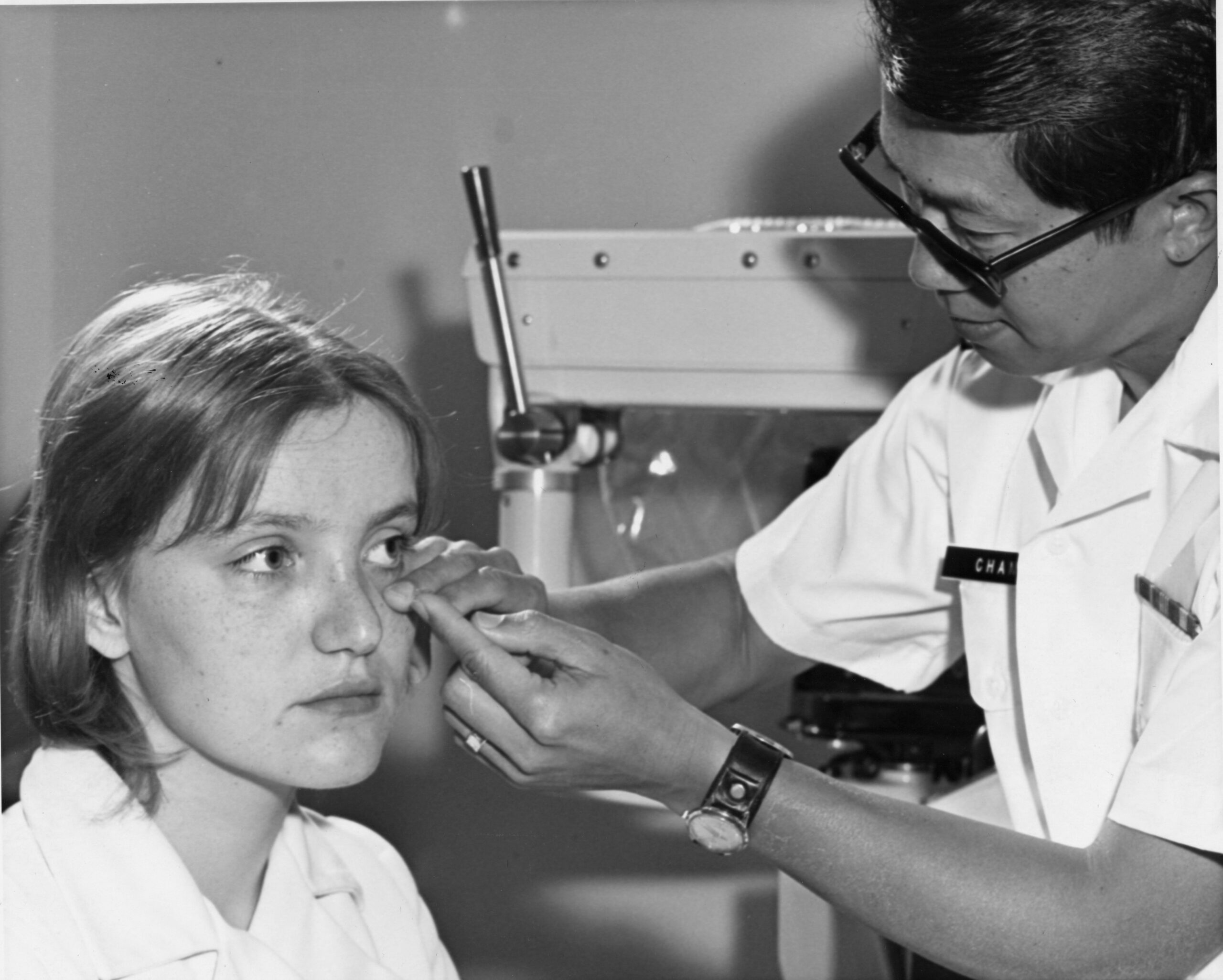
A complete eye exam can reveal much more than just how well you can see a chart with letters on it. The fact is that many people with BVD have normal vision, and therefore a standard eye screening may miss it.
A comprehensive binocular vision evaluation tests how well the eyes function instead of how well each eye can see.
Medical History
The examination typically begins with a discussion of symptoms.
The eye care professional may ask about:
- Headaches
- Reading difficulties
- Dizziness
- Motion sickness
- Previous concussions
- Eye injuries
- Neurological conditions
- Family history of eye disorders
This information provides a foundation for the rest of the evaluation.
Visual Acuity Testing
Standard vision testing is still important because refractive errors such as nearsightedness, farsightedness, or astigmatism can contribute to visual discomfort.
However, normal eyesight does not rule out binocular vision dysfunction.
Eye Alignment Assessment
Specialized tests measure how well the eyes remain aligned at both near and far distances.
These assessments can detect subtle misalignments that may not be visible during a routine examination.
Eye Movement Evaluation
The examiner observes how smoothly the eyes:
- Track moving objects
- Shift between targets
- Focus on nearby text
- Maintain alignment during sustained tasks
Abnormal movement patterns may indicate specific binocular vision disorders.
Fusion and Depth Perception Tests
Additional testing evaluates whether the brain is successfully combining images from both eyes.
These assessments may include:
- Stereopsis (depth perception)
- Fusion testing
- Vergence measurements
- Convergence ability
Together, these tests provide a more complete picture of binocular visual function.
Who Diagnoses Binocular Vision Dysfunction?
Several eye care professionals may evaluate binocular vision, depending on their training and area of practice.
These include:
Optometrists
Many optometrists evaluate binocular vision as part of comprehensive eye care. Some have additional training in vision therapy and binocular vision disorders.
Ophthalmologists
Ophthalmologists are medical doctors specializing in eye diseases and surgery. They may diagnose binocular vision disorders, particularly when neurological or structural eye conditions are involved.
Neuro-Optometrists
Some optometrists pursue additional education in neurological vision rehabilitation, especially for patients recovering from concussions, traumatic brain injuries, or stroke.
The most appropriate specialist depends on the individual’s symptoms and medical history.
Conditions Commonly Mistaken for Binocular Vision Dysfunction
Because its symptoms overlap with many other disorders, binocular vision dysfunction is sometimes misdiagnosed.
Possible conditions that may produce similar symptoms include:
| Condition | Similar Symptoms |
| Migraine disorders | Headaches, light sensitivity, dizziness |
| Vestibular disorders | Balance problems, motion sensitivity |
| Anxiety disorders | Dizziness, visual discomfort, fatigue |
| Concussion syndrome | Eye strain, headaches, concentration problems |
| Dry eye disease | Blurred vision, eye fatigue |
| Uncorrected refractive errors | Blurry vision, headaches |
| Neurological disorders | Double vision, balance changes |
A thorough examination helps distinguish binocular vision dysfunction from these and other conditions.
Treatment Options for Binocular Vision Dysfunction
The nature of the binocular vision dysfunction that you are experiencing, the extent of your symptoms, and numerous other factors all come into play when determining what treatment is most appropriate. Often, treatment aims to address the underlying issues related to binocular vision dysfunction, rather than simply treating the visual symptoms. For example, a treatment plan that works on restoring normal eye movements may be utilized.
It is important that your treatment is individualized by an eye care professional.
Prism Glasses
Prism lenses are one of the most commonly prescribed treatments for certain forms of binocular vision dysfunction.
Unlike standard prescription lenses that correct blurry vision, prism lenses help redirect light entering the eyes. This can reduce the effort required for the brain to align images from both eyes.
For some individuals, prism glasses may:
- Reduce headaches
- Improve reading comfort
- Decrease eye strain
- Ease dizziness related to eye alignment
- Make driving and computer work more comfortable
Not every person with BVD benefits from prism lenses, and the prescription must be carefully determined through a comprehensive examination.
Vision Therapy
Vision therapy is a structured program of supervised eye exercises designed to improve eye coordination, focusing ability, tracking, and visual processing skills.
Depending on the diagnosis, therapy may include activities that strengthen:
- Eye teaming
- Convergence
- Eye tracking
- Visual endurance
- Focusing flexibility
- Depth perception
Sessions are often combined with home exercises, and progress is monitored over time. Vision therapy is commonly recommended for conditions such as convergence insufficiency and certain other binocular vision disorders when appropriate.
Treating Underlying Medical Conditions
If it occurs as a secondary problem, such as with a concussion, stroke, thyroid eye disease, or cranial nerve problem, vision therapy may include treatment of the other condition along with vision therapy.
Eye doctors work closely with other medical professionals to manage these conditions.
Lifestyle Adjustments That Can Help
While lifestyle changes do not cure binocular vision dysfunction, they may reduce day-to-day discomfort, especially when used alongside professional treatment.
Helpful strategies include:
- Taking regular breaks during prolonged screen use
- Adjusting monitor height and viewing distance
- Using adequate lighting for reading and computer work
- Maintaining good posture to reduce neck and shoulder strain
- Following prescribed vision therapy exercises consistently
- Wearing prescribed corrective or prism lenses as directed
These habits can support visual comfort and reduce fatigue during daily activities.
Living With Binocular Vision Dysfunction
Being diagnosed with binocular vision dysfunction can be simultaneously relieving and frightening, as patients are finally given an answer regarding their concerns. Additionally, some are surprised to learn that their headaches, dizziness, or issues with concentration result from eye coordination problems, not bad eyesight. Fortunately, most cases of binocular vision dysfunction are treatable. However, the effectiveness of the therapy depends on the individual’s attitude and expectations, as well as the professional help and proper eye muscle exercises.
I believe that most of the problems associated with binocular vision dysfunction can be resolved successfully with time, though every case is unique. People tend to improve at different rates, but those who have resolved their binocular vision dysfunction report that their treatment was highly effective after they addressed their specific eye coordination issues. Moreover, developing the necessary attitudes and approaches towards the problem to facilitate treatment is important.
Binocular Vision Dysfunction in Children
Children may not be able to articulate their visual problems. They might avoid activities that cause them discomfort.
Most children have their eyesight tested at school, so a binocular vision disorder may not be detected if the exam doesn`t include tests for eye coordination.
Signs Parents Should Watch For
Children with binocular vision dysfunction may:
- Avoid reading whenever possible
- Lose their place while reading
- Skip words or lines
- Complain of headaches after school
- Rub their eyes frequently
- Cover or close one eye while reading
- Hold books very close to their face
- Have difficulty concentrating on homework
- Become unusually tired after visually demanding tasks
These signs do not automatically indicate BVD, but they warrant an evaluation by an eye care professional if they persist.
Academic Challenges
Reading is one of the most visually demanding activities children perform every day. If maintaining eye alignment requires constant effort, learning may become physically exhausting.
A child with binocular vision dysfunction might:
- Read more slowly than classmates
- Need frequent breaks
- Have difficulty understanding what they just read because so much effort is spent keeping words clear
- Avoid homework
- Become frustrated with schoolwork despite having normal intelligence
When appropriate treatment is provided, some children experience improvements in reading comfort and classroom participation.
Binocular Vision Dysfunction in Adults
Adults often develop coping strategies without realizing they have a treatable vision disorder.
Some unconsciously tilt their head, squint, close one eye, or avoid visually demanding situations.
Over time, these adaptations may become habits that mask the underlying problem while doing little to reduce symptoms.
Workplace Challenges
Modern workplaces require prolonged visual concentration.
Employees may spend eight or more hours each day:
- Reading reports
- Using multiple computer monitors
- Participating in virtual meetings
- Reviewing spreadsheets
- Switching between printed documents and digital screens
For someone with binocular vision dysfunction, these tasks can lead to increasing visual fatigue as the day progresses.
Common workplace complaints include:
- Difficulty concentrating late in the day
- Frequent headaches
- Eye strain
- Reduced productivity
- Neck and shoulder discomfort
- Needing frequent visual breaks
Making ergonomic adjustments and following the treatment plan recommended by an eye care professional may improve comfort during the workday.
Driving and Binocular Vision Dysfunction
Driving requires continuous communication between the eyes and the brain.
Drivers must quickly judge:
- Speed
- Distance
- Lane position
- Moving vehicles
- Road signs
- Pedestrians
- Changing traffic conditions
When binocular vision is impaired, these tasks may become more demanding.
Some people report increased difficulty:
- Driving after dark
- Driving in heavy rain
- Navigating unfamiliar roads
- Parking accurately
- Judging the distance of oncoming vehicles
Anyone experiencing double vision or significant visual symptoms while driving should seek prompt medical evaluation and avoid driving if their vision is unsafe.
Sports and Physical Activities
Many sports depend on accurate binocular vision.
Activities such as baseball, tennis, basketball, golf, soccer, and volleyball depend on strong depth perception and fast, coordinated eye movements.
Athletes with untreated binocular vision dysfunction may notice:
- Difficulty tracking moving objects
- Poor hand-eye coordination
- Trouble judging distances
- Slower reaction times
- Reduced visual endurance during competition
Not every performance issue is related to binocular vision, but athletes with persistent visual symptoms may benefit from a comprehensive eye examination.
Can Binocular Vision Dysfunction Be Cured?
The answer depends on the underlying cause.
Some binocular vision disorders improve significantly with treatment, while others require ongoing management.
For example:
- Certain forms of convergence insufficiency often respond well to evidence-based vision therapy.
- Some patients benefit from prism lenses that reduce visual strain.
- BVD related to neurological disease or permanent nerve damage may require long-term management rather than complete resolution.
Because every case is unique, prognosis varies from person to person.
Recovery Expectations
Recovery is rarely identical for everyone.
Several factors influence outcomes, including:
- The specific binocular vision disorder
- Severity of symptoms
- How long symptoms have been present
- The person’s age
- Overall eye health
- Presence of neurological conditions
- Consistency with prescribed treatment
Some people notice improvement within weeks, while others require several months of therapy and follow-up care.
Maintaining realistic expectations helps patients stay engaged throughout the treatment process.
Common Misconceptions About Binocular Vision Dysfunction
Misunderstandings about BVD are common, partly because the condition is less familiar than refractive errors like nearsightedness or astigmatism.
“I have 20/20 vision, so my eyes must be healthy.”
Visual acuity measures how clearly you can see an eye chart. It does not evaluate how well your eyes work together.
Someone can have excellent eyesight and still have binocular vision dysfunction.
“If my eye doctor didn’t find anything, nothing is wrong.”
Routine vision screenings may not include detailed binocular vision testing.
Persistent symptoms deserve further evaluation, particularly if they interfere with daily life or indicate an underlying vision health condition.
“Headaches always mean I need stronger glasses.”
Headaches have many possible causes.
While vision problems can contribute, headaches may also result from neurological conditions, migraines, medication effects, stress, or other medical issues.
A comprehensive assessment is essential before assuming the cause.
“Children will outgrow binocular vision problems.”
Some mild coordination issues improve naturally, but others persist without treatment.
Persistent symptoms should be evaluated rather than ignored.
Practical Tips for Managing Daily Life
Professional treatment is the foundation of care, but healthy visual habits can also make daily activities more comfortable.
Consider these practical strategies:
- Follow your prescribed treatment plan consistently.
- Take short visual breaks during extended reading or screen use.
- Maintain an ergonomic workstation with the monitor positioned at a comfortable height and distance.
- Use good lighting to reduce unnecessary eye strain.
- Stay well hydrated and blink regularly during computer work to help reduce dry eye symptoms.
- Schedule routine follow-up appointments to monitor progress.
- Contact your healthcare provider promptly if your symptoms are new or getting worse.
These habits cannot replace medical treatment, but they can complement it.
Expert Insights
Eye care professionals recommend that binocular vision be tested when patients come in complaining of recurring visual problems despite having normal eyesight.
In addition to the obvious visual problems, eye strain, headaches, and other related issues, patients sometimes visit other doctors, including neurologists, to address unexplained migraines, loss of balance, or other unrelated issues before they discover the real problem was their eyes
Collaboration with optometrists, O.D.’s, eye surgeons, m.D.’s, primary care doctors, physiatrists, physical therapists, and other relevant medical professionals is required to evaluate and treat these symptoms. In some cases, a comprehensive vision exam is the only way to fully diagnose a patient’s condition and prescribe the appropriate treatment for his or her continued visual wellness.
The Future of Binocular Vision Dysfunction Care
Research into binocular vision continues to evolve.
Areas receiving increasing attention include:
- Improved diagnostic technology for measuring subtle eye misalignment
- Digital tools that help assess eye movement and visual performance
- Better understanding of vision problems following concussion and traumatic brain injury
- More personalized vision therapy programs
- Greater collaboration between eye care and neurological rehabilitation specialists
As awareness grows, earlier recognition and more individualized treatment approaches may help reduce the number of people living with undiagnosed binocular vision dysfunction.

Conclusion
Binocular vision dysfunction is a debilitating condition that not only affects the eyes but also the entire body. In this disease, the eyes are unable to work together to create a proper three-dimensional image of the world around us. A person may have normal vision on an eye chart, but if their eyes are not working together, it can cause headaches, dizziness, eye strain, reading problems, depth perception issues, and much more.
Because of the wide variety of symptoms, this disease can often be mistaken for other medical conditions. The only way to know if you have binocular vision dysfunction is to get a full eye exam that includes a binocular vision test.
Treatment for binocular vision dysfunction can range from prism glasses to vision therapy, medical treatment, or a combination of these. With proper treatment, most patients can return to their normal daily activities without discomfort.
If you or a loved one is experiencing any visual disturbances or symptoms that can be related to binocular vision dysfunction, it is essential to consult with an eye specialist.
Frequently Asked Questions About Binocular Vision Dysfunction
1. Will your binocular vision dysfunction go away on its own?
In most cases, binocular vision dysfunction is not something that will simply go away. Some patients may find that their symptoms subside on their own after a period of rest, but more often than not, further treatment is required to address eye coordination problems caused by this condition.
2. Is binocular vision dysfunction the same thing as having bad eyesight?
No, binocular vision dysfunction is not related to eyesight in most cases. Patients with 20/20 eyesight can still experience headaches, dizziness, eyestrain, and double vision due to this condition.
3. Who can treat binocular vision dysfunction?
Most often, this type of vision problem is diagnosed and treated by an optometrist or eye doctor. Some patients, especially those with severe cases resulting from a concussion, may need additional treatment from a neuro-optometrist.
4. Can binocular vision dysfunction cause headaches and dizziness?
Yes, it can. In fact, many patients with binocular vision dysfunction report getting migraines, dizziness, motion sickness, and eyestrain on a regular basis. However, it is important to note that these symptoms could also be a result of another medical condition, which is why a trip to your eye doctor is highly advised.
5. Are prism glasses the only treatment option for binocular vision dysfunction?
No, they are not. The treatment for binocular vision dysfunction largely depends on the root cause of the disease. In addition to reducing eye strain with prism glasses, vision therapy, eye exercises, and vision correction can also help treat this condition. If another medical problem is causing binocular vision dysfunction, it will also need to be addressed.
6. Can children get binocular vision dysfunction?
They absolutely can. In fact, children often suffer from this disease without realizing it. If your child avoids reading, has frequent headaches, seems unable to concentrate when doing homework or classroomwork, or covers one eye when trying to read, then it is time to schedule an eye exam.
7. Is binocular vision dysfunction something that can last forever?
It depends on the individual case, but yes, it can. Some cases of binocular vision disease are more severe than others. In addition to the cause of the condition, the length of treatment also depends on the patient’s eyesight before the disease began. If it was 20/20 eyesight, the disease is much more likely to be permanent. If eyesight was impaired, however, there is a much higher chance for full recovery.