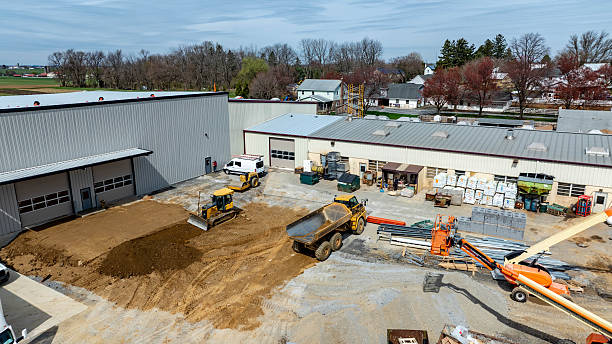
Earthmoving is often one of the first physical stages of a construction, landscaping or site-development project, and decisions made at this point can affect everything that follows. Excavation, grading, trenching and soil removal may look straightforward from a distance, but the right approach depends on access, ground conditions, services, drainage and the finished levels the project needs to achieve.
Start by being clear about the purpose of the work. Excavating for a driveway is different from preparing a building pad, cutting a retaining-wall area or digging service trenches. Plans, measurements and required levels should be understood before machinery starts moving soil. Removing too much material can be expensive to correct, while leaving unsuitable material in place can create problems for later construction.
Site access is another practical issue. Excavators, skid steers, trucks and other equipment need enough room to enter, operate and leave safely. Narrow side access, overhead power lines, low branches, soft ground, existing fences and nearby buildings can change what machinery is suitable. A smaller machine may fit a restricted property but take longer, while a larger machine may be efficient only when there is enough working space.
Underground and overhead services must be considered before digging. Water, electricity, gas, communications and drainage infrastructure can be damaged if their location is not understood. Relevant plans and service-location processes should be completed before excavation begins, and any uncertainty should be treated carefully. Striking a service can create safety risks, delays and expensive repairs.
Soil conditions also influence the job. Clay, sand, rock, fill and wet ground behave differently when excavated and compacted. Some material can be reused on site, while other spoil may need removal and lawful disposal. If imported fill is required, the quantity and type should be planned around the finished use of the area rather than simply filling a hole with whatever material is available.
Drainage deserves attention at the same time as levels. Earthmoving changes the way water travels across a property, and a poorly shaped surface can direct runoff toward buildings, neighbours or areas that were previously dry. Finished grades should support the drainage design, and temporary conditions during the project may also need management if rain is expected before permanent surfaces are completed.
Safety and sequencing bring these issues together. Excavations can create unstable edges, trip hazards and restricted access, while trucks and machinery introduce moving-plant risks. The earthmoving stage should fit with the work that follows so that areas do not need to be dug twice or crossed repeatedly by equipment. Good planning reduces rework and helps other trades begin from a properly prepared site.
Before machinery arrives, confirm access, scope, levels, spoil handling and any known site constraints. Photos and measurements can help when discussing the work, but an on-site assessment may still be needed for complex conditions. The more clearly the finished outcome is defined, the easier it is to select equipment and plan the work efficiently.
For projects that require excavation, site preparation or other earthmoving work, Earth Shifters can help assess the practical requirements of the site and carry out the work with the intended levels, access and next construction stage in mind. Treating earthmoving as planned site preparation rather than simply moving dirt can save time and reduce avoidable problems later in the project.