Why Is the Inside of My Mouth Peeling
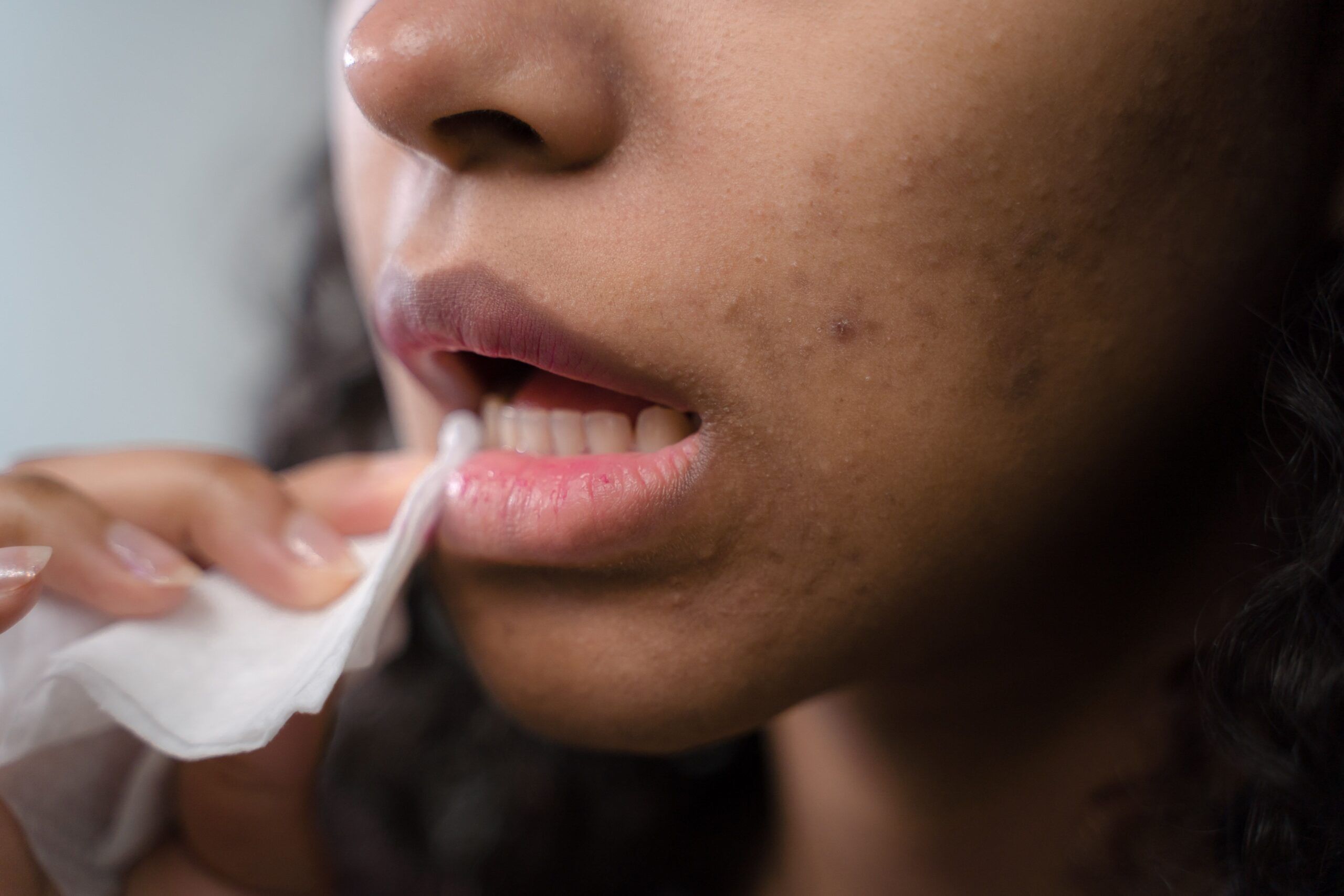
If you notice thin white or clear pieces of tissue coming loose from the inside of your cheeks, lips, gums, or roof of your mouth, you may wonder why is the inside of my mouth peeling. In many cases, peeling oral tissue is caused by irritation rather than a serious disease. A new toothpaste, strong mouthwash, acidic foods, minor injury, dehydration, or dry mouth can disturb the delicate lining of the mouth.
Your oral mucosa, the thin and moist tissue lining your mouth, protects the underlying structures. Since oral mucosa is regularly subjected to food, fluids, mouth care products, heat, cold, and friction, it can be irritated fairly easily. However, the constant or recurring peeling that causes problems certainly requires more thought, especially if accompanied by pain, lesions, bleeding, swelling, non-white, sticky areas which can’t be rubbed away, and others.
Infections of the mouth, infections, inflammatory problems, nutritional defeciencies, drugs, and various systemic conditions, and others can all impact the oral mucosa.
The description of where it’s occurring, the duration and how long it’s been going on will be helpful, along with other accompanying findings.
What Does Peeling Inside the Mouth Usually Mean?
Shedding inside the mouth is a normal occurrence when there has been some surface irritation or damage of the oral mucosa lining (inner surface of the mouth and/or tongue. The mouth lining is a different type of tissue then skin on the majority of the rest of the body, is moist due to saliva, and in a natural state undergoes mechanical and chemical stimuli. Cells on the surface regenerate continuously but if there is some irritation, they might come away at the superficial level more evidently.
You may see:
- Thin white or translucent strips of tissue
- Soft, stringy material inside the cheeks
- Flaking tissue after brushing
- Peeling areas on the lips or gums
- A raw or sensitive surface underneath
- Mild burning or tenderness
The presentation in itself cannot name the cause. Irritation by mouthwash or toothbrush may cause peeling but without serious pathology, infection or inflammatory disease can result in areas of white patches, redness, and soreness, or ulceration.
Brief episodes that subside following removal of an obvious irritant would be less concerning than an areas peeling for weeks or which recurs repeatedly without obvious provocation.
Common Causes of Peeling Mouth Tissue
Several relatively common problems can make the lining of the mouth appear to peel.
Irritation from toothpaste
Toothpaste is one of the first things worth considering, particularly if the peeling began after switching products.
Certain components in toothpastes may irritate delicate mouth lining. Sodium lauryl sulfate, (often called SLS for short) is a mouth irritant and is a common problem for many patients. Flavorants and other additions to toothpaste may be irritants.
It is not to say that SLS is bad for everyone-it’s very likely to be in the tooth-paste you are using and you never had an issue. What you want to know is did your symptoms started or are made worse when you use a particular paste.
An important indicator: is the peeling over several areas where the toothpaste might come into contact with the mucosa or is the damage one solitary injury?
Strong or irritating mouthwash
The chemicals present in mouthwashes may lead to discomfort to the delicate already inflamed tissue in your mouth. Those containing alcohol can be quite burning if your mouth is dry or already painful.
If a new mouthwash introduced into your routine is coinciding with peeling you can stop using it as an attempt to see if it is the source of the irritation. Oral health guides include chemicals in mouthwash as potential causes of soreness and mouthinflammation.
Mouthwash is not substitute to routine brushing and flossing. Oral hygiene is very critical when searching for an irritant.
Acidic or spicy foods
Some foods cause inflammation of oral tissue. This may occur to a more sensitive oral mucosa when sensitive. Citrus fruits, acidic drinks, vinegar products, tomatoes, spicy foods and irritating foods will cause burning or discomfort.
Acidic foods are a known cause.
If you have noticed flaking from specific food products, then remember to observe any pattern of occurrence without attributing these to an allergy. Irritation and allergic response is separate.
Accidental biting or physical trauma
An irritation to the inside of your cheek may develop after accidentally biting it. A sharp tooth, dislodged filling, rough mouthguard or appliance, brace or Ill-fitting dentures could rub the same spot of cheek repeatedly. This may develop inflammation, sore tissue and be damaged.
According to the MSD Manual, something that can cause oral irritation and inflammation can include lip and cheek biting,jagged teeth andill fitting dentures, which are also discussed in guidance about common causes of mouth irritation.
If you get peeling always in precisely the same spot then ensure there is nothing rubbing there repeatedly.
Dry mouth and dehydration
Beyond moistening and protecting the mouth, saliva does more.
If you become momentarily dehydrated, your mouth will become dry. A permanently dry mouth is often caused by medications, some medical problems, breathing through your mouth, or problems with saliva glands. Chronic dry mouth raises the chance of mouth sores and others oral disorders.
People with dry mouth may notice:
- Sticky saliva
- Increased thirst
- Difficulty swallowing dry foods
- Burning or soreness
- Cracked lips
- Bad breath
- More frequent mouth irritation
If your mouth feels persistently dry rather than simply peeling occasionally, the underlying dryness deserves attention.
Could an Infection Cause Peeling?
Yes, although not every peeling mouth is an infection.
Oral infections can produce changes in the lining of the mouth, including redness, soreness, patches, ulcers, or altered surface texture.
Oral thrush
Oral thrush (also referred to as oral candidiasis) is a fungal infection where the Candida levels rise. The most typical symptoms are white creamy or white looking patches of candidiasis in the mouth, and these can be sore, or sensitive, to differing degrees depending on individual circumstance. There are various situations where candidiasis is more likely such as after certain course of antibiotics, or by those in certain medical groups.
MSD Manual state that candidal infection is a frequent infective cause of oral inflammation.
Not all white tissue is thrush however. Sore or sensitive white tissue should be evaluated by a dentist or medical professional to differentiate it from irritation or another condition.
Viral or other infections
Several infections can affect oral tissues and cause sores, inflammation, or abnormal patches. The pattern is often different from simple, painless peeling caused by toothpaste irritation.
Pain, fever, swollen glands, blisters, multiple ulcers, or rapidly developing mouth changes are reasons to seek professional evaluation rather than assuming the tissue is simply dry.
Can Nutritional Deficiencies Cause Mouth Changes?
Mouth symptoms can occur from nutritional deficiencies, although this is less likely in all cases.
Oral tissue requires nutrients to maintain and repair normal. Deficiencies of iron, folate, vitamin B12, vitamin C, or zinc may give rise to inflammation or ulcers in the mouth. It is most likely a deficiency in cases of the mouth being symptomatically painful in conjunction with other symptoms such as lethargy, tongue changes, weakness, loss of appetite or unidentifiable problems.
Inappropriate use of high-dose supplements should be avoided without appropriate indication. Where there is a high level of clinical suspicion that oral signs may be related to deficiency, a medical professional should consider appropriate testing and investigation for deficiency.
Other Conditions That Can Affect the Oral Lining
The cause of recurring peeling could possibly be something requiring medical assessment, not just self treatment: Inflammatory and immune system disorders The lining of the mouth can be affected by a variety of immune and inflammatory illnesses (examples are oral lichen planus and some bullous blistering disorders). Systemic disease such as coeliac disease can sometimes result in an orally occurring condition. Medications Many drugs can potentially cause dry mouth, some have also been linked with inflammatory oral conditions.
Cancer therapy The normal rapid turnover of the cells lining the mouth means they can be more prone to injury if treated with certain forms of therapy, including head and neck radio-therapy and chemotherapy.
These rarer examples serve to illustrate how seemingly minor symptoms can sometimes herald underlying illness.
How to Tell Whether an Irritant May Be Responsible
You cannot diagnose the cause at home with certainty, but you can look for useful patterns.
Consider what changed shortly before the peeling began.
Did you:
- Start using a new toothpaste?
- Change mouthwash?
- Begin using whitening products?
- Eat substantially more acidic or spicy foods?
- Develop a sharp tooth or dental appliance problem?
- Become dehydrated?
- Start a new medication?
- Experience unusually dry mouth?
- Have recent dental work?
The timing can be informative.
Thus, if it start occurring soon after changing Toothpaste, it becomes more believable that some component is causing irritation and if it goes slowly better on changing to a familiar one that had worked earlier. Doctors and Dentists probably adopt a same method of spotting and removal of irritant elements while assessing a problem of mouth.
This approach should not be used to delay care when symptoms are severe or persistent.
What Can You Do at Home?
If the peeling is mild and you otherwise feel well, simple measures may reduce irritation while the tissue recovers.
1. Stop obvious irritants
Should new toothpaste, mouth wash,whitening product,or oral health care product coincide with occurrence of the symptoms, take into consideration stopping the suspect product and consultation of its alternative with the dentist.
One should not stop taking necessary medication under the prescription without consultation with the prescribing Physician.
2. Keep your mouth hydrated
Drink water at regular intervals particularly if dehydration, or the dryness it brings, may be part of the problem. It is generally much more useful to get the root of persistent dry mouth sorted out rather than just drink more water. If you are experiencing it and some relief is afforded using saliva replacements or another form of therapy it may be worth discussing this with your medical team.
3. Continue gentle oral hygiene
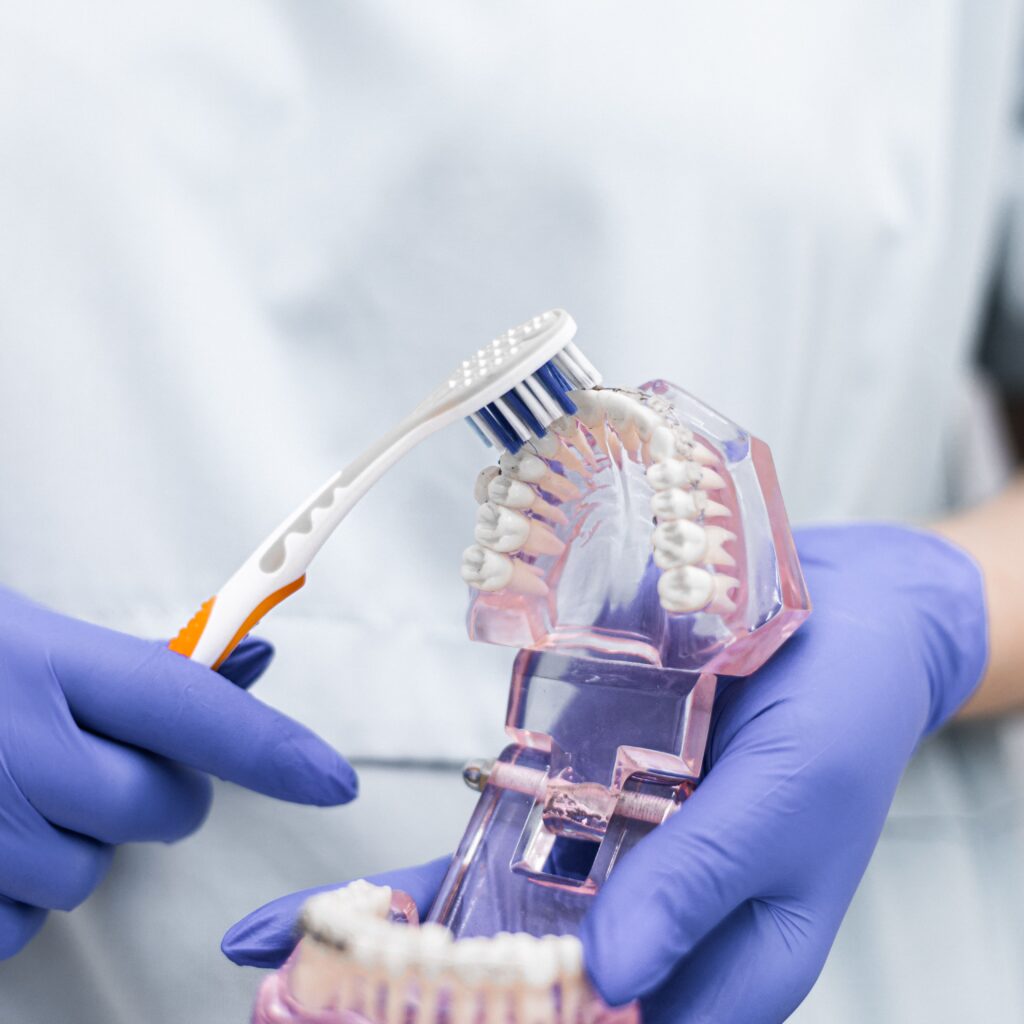
Continue gentle oral hygiene while following healthy oral hygiene practices to reduce unnecessary irritation.
Peeling does not mean you should stop brushing your teeth.
Use a soft-bristled toothbrush and brush gently. Aggressive brushing can add mechanical irritation to already-sensitive tissue.
Continue flossing carefully unless a dental professional has advised otherwise.
4. Choose gentler foods temporarily
If the mouth feels raw, reduce foods that burn or sting.
Acidic, very spicy, salty, or extremely hot foods may aggravate irritated tissue. Choosing softer, milder foods for a short period can make eating more comfortable.
5. Avoid picking or pulling the tissue
It can be tempting to peel loose tissue away with your fingers. Avoid doing this.
Pulling at the mucosa can cause additional trauma, bleeding, and irritation. Allow loose tissue to come away naturally.
A Simple Step-by-Step Approach
If you are determining the cause, do it methodically rather than altering everything at once.
1. Observe location of peeling: Where is it, such as the lips, the mouth (on any part of the lips, tongue, gums, and/or roof of the mouth)? Localized skin loss can indicate a friction or injury, whereas the spread of skin loss can suggest a topical or dry skin reason.
Step 2: Check for pain and other symptoms.
Mild peeling without pain is different from peeling accompanied by ulcers, significant burning, bleeding, swelling, or fever.
Step 3: Review recent changes.
Think about toothpaste, mouthwash, foods, medications, dental appliances, dental procedures, and hydration.
Step 4: Remove one likely irritant.
If there is an obvious suspect, eliminate it rather than changing multiple products simultaneously. This makes it easier to identify what affects the symptoms.
Step 5: Give the tissue an opportunity to recover.
Avoid picking at the area and minimize foods or products that clearly aggravate it.
Step 6: Arrange an examination if it persists.
If the problem continues, repeatedly returns, or has concerning features, a dentist, physician, or other appropriate healthcare professional can examine the affected tissue and determine whether further testing is necessary.
Common Mistakes That Can Make Peeling Worse
One major mistake, it is, to over scrub at the loose tissue in the area, making it seem cleaner, but more irritated, than it already is. The next, you should not be jumping between three, or even five, different types of Toothpastes, Mouthwashes, Whitening agents, & home remedies. If it gets better, then you will not be sure what made it feel better.
The condition only becomes more difficult to diagnose if the condition gets worse if multiple methods are changed simultaneously.
The third, is to directly apply the substances to the oral tissue. The example that applies here is aspirin; concentrates, and or non-concentrated solutions used orally, or some other harmful product that is harmful to your tissue. The MSD Manual states that “Some materials can irritate or damage the mouth” which highlights why understanding oral irritation and mouth injuries is important when unexplained peeling occurs.The final mistake; you can not assume any form of white tissue to just be dead tissue.
If white tissue, sores, or some other unexplained condition, presents itself it should be examined.
When Should You See a Dentist or Doctor?
Arrange a dental or medical evaluation if the peeling does not improve, repeatedly returns, or has no obvious explanation.
A professional examination is particularly appropriate if you also have:
- Persistent pain or burning
- Bleeding without an obvious injury
- A sore that does not heal
- A lump or swelling
- Persistent white, red, or mixed-colored patches
- Difficulty eating or swallowing
- Persistent dry mouth
- Unexplained weight loss
- Recurrent oral ulcers
- Fever or other signs of infection
- A significant change after starting a medication
Contact your healthcare professional or dentist if your mouth symptoms – such as sores, bumps, pain, recurrent bleeding, bad smell, or dry mouth – don’t go away.
Go to the emergency room if you have such severe swelling in the mouth that it is interfering with your breathing or swallowing, or if it came on rapidly, along with any signs of severe systemic or allergic reaction.
What Will a Dentist Look For?
The dentist can usually learn a great deal just from looking at the mouth and talking about the timing and probable triggers.
The dentist will observe the site, color, texture and how much of the tissue involved. Also check for sharp teeth, fractured fillings, poorly fitting false teeth or bridges, gum disease, sores, infections or abnormal areas.
You will be asked questions like those mentioned above and also what medications you take, about your diet and whether you smoke and use any tobacco. The question about dry mouth will also be relevant, along with any recent illnesses and the types of dental products used, not to mention your health history.
When all the clues have been found, and in some cases, even if they appear clear and of a mild nature, but the signs do not resolve readily, further investigations are sometimes necessary, this can vary from cultures and blood tests to at times a biopsy. For lesions of unexplained cause, MSD Manual suggests that a follow up may be required.
It is not about just ‘treating’ the peel. It is about working out what is causing it.
Final Takeaway
If you are asking why is the inside of my mouth peeling, the most common explanations include irritation from toothpaste or mouthwash, acidic or spicy foods, physical trauma, and dry mouth. These causes are often temporary and may improve once the trigger is removed and the tissue is allowed to recover.
However, if there is recurrent, worsening, or painful peeling, or if there is swelling, bleeding, ulcers or even just odd looking areas of the mouth or if it seems to be affecting the way you swallow then you should see your dentist. Your mouth tissue can also suffer as a result of fungal infections, reactions to drugs and problems with diet and there can be various inflammatory and general disorders of the body that can lead to changes in the oral mucosa.
Rather than continue removing what can sometimes be quite tough, papery bits of the mouth tissue you are better off focusing on careful hygiene in the mouth and water and avoiding the things you suspect might cause this and if problems persist, or occur on the occasion to seeking a professional opinion.
FAQs: Why Is the Inside of My Mouth Peeling?
1. Why is the inside of my mouth peeling?
The inside of your mouth may peel because of irritation, dryness, cheek biting, hot or acidic foods, toothpaste or mouthwash ingredients, allergic reactions, or inflammation such as stomatitis.Infections and certain medical conditions can also affect the lining of the mouth.
2. Can toothpaste cause the inside of my mouth to peel?
Yes. Some toothpaste ingredients can irritate the oral tissues in sensitive people. If peeling repeatedly occurs after using a particular toothpaste, changing products may help identify whether the product is contributing to the problem.
3. Can dry mouth cause peeling inside the mouth?
Yes. Saliva helps keep the oral lining moist and protected. Reduced saliva production can increase the risk of irritation, mouth sores and other oral problems. Dehydration, mouth breathing, medications and certain health conditions can contribute to dry mouth.
4. Is peeling inside the mouth caused by an infection?
It can be. Viral, bacterial and fungal infections may cause inflammation and changes in the tissues lining the mouth. Oral thrush, for example, can produce whitish patches, while other infections may cause redness, sores, blisters or pain.
5. Why does the inside of my cheek peel after eating certain foods?
Acidic, spicy or otherwise irritating foods can aggravate sensitive oral tissues. A reaction may also occur because of an ingredient in food, candy, gum or another product that comes into contact with the mouth.
6. Can biting my cheek cause peeling?
Yes. Repeated cheek biting or mechanical irritation from a sharp or broken tooth, dental appliance or poorly fitting denture can damage the oral mucosa. Continued irritation can prevent the area from healing normally.
7. When should I see a dentist or doctor about mouth peeling?
Consider professional evaluation if the peeling keeps returning, does not improve, becomes painful, or occurs with persistent sores, swelling, bleeding, white or red patches, difficulty eating or swallowing, or other unusual changes. Persistent oral lesions may require examination to determine the underlying cause.
Conclusion
If you are wondering why is the inside of my mouth peeling, the cause may be something relatively simple, such as dryness, irritation from food or dental products, cheek biting, or minor trauma. In other cases, peeling may occur alongside stomatitis, an infection, an allergic reaction, nutritional deficiency, medication effects, or another underlying condition.
Notice also what is happening when the peeling starts – does it coincide with using a new toothpaste, mouthwash, food item, drug, dental appliance or practice? Ensuring the mouth is comfortable and avoiding irritants and excellent oral hygiene can soothe and settle mild irritation. If it constantly recurs, the mouth becomes sore or has continuously appearing ulcers, unusual white patches, or becomes swollen,bleeds, or make it difficult to eat or swallow, your dentist or doctor can have the mouth examined to see if further tests are needed.