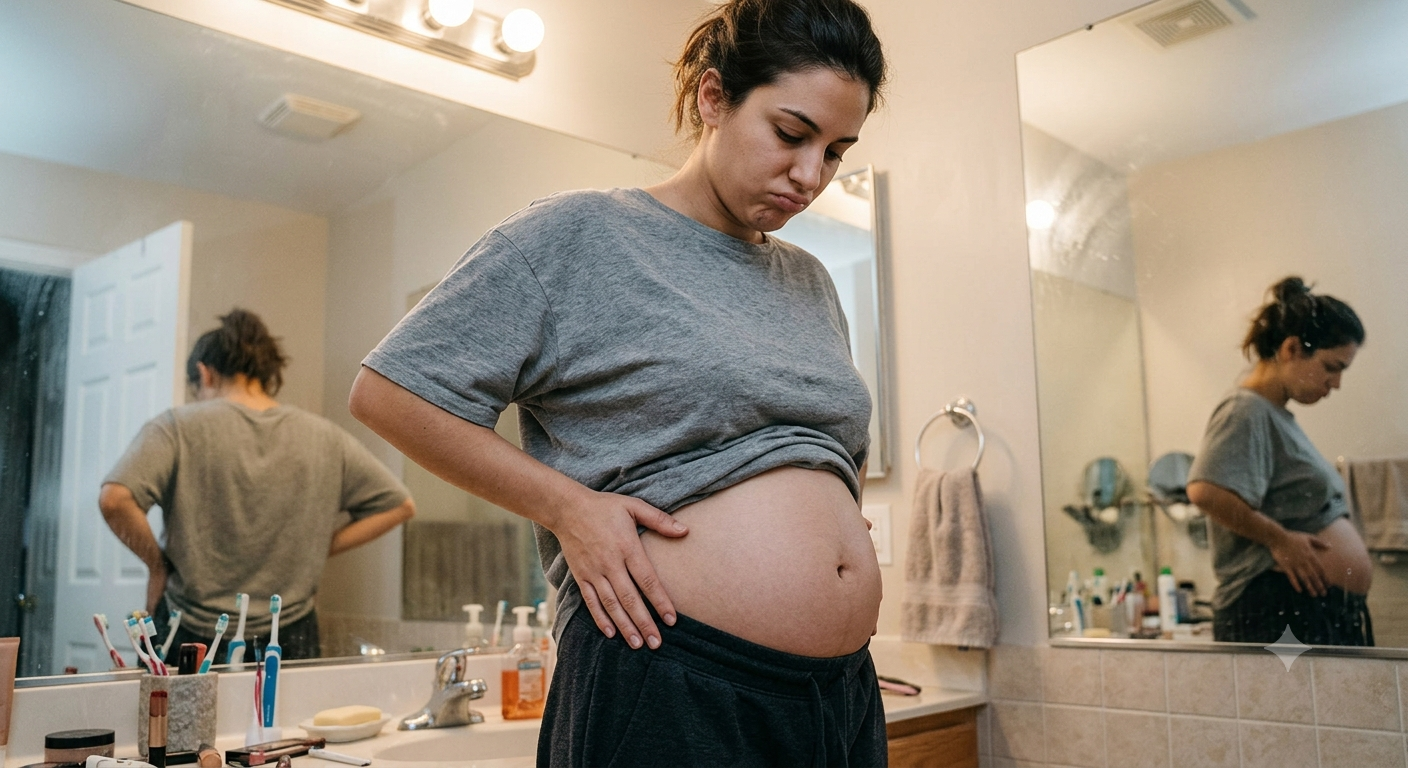
There are few sensations as frustrating—or as confusing—as looking in the mirror at the end of the day and wondering, “why am I so bloated I look pregnant?” You may suddenly find your clothes fitting more tightly, notice your belly looking unusually enlarged, and feel a level of pressure or discomfort that appeared seemingly out of nowhere.
Bloating is an occasional bother for most of us after a big meal. For some others, it is something of a constant companion, tampering not just with our comfort but with our confidence and well-being as well. Though one of the most frequent of digestive complaints, an enlarged abdomen is also one of the most confusing. The swelling could stem from anything from harmless trapped gas or a bout of constipation to an underlying chronic condition or even an undiagnosed medical condition that requires investigation.
The trick is, bloating itself is not actually a diagnosis, it’s a symptom! To pinpoint just where on Earth you picked up the extra stomach bloat we have to dig past your swelling tummy into the food that you are eating and how your hormone levels might be playing in, as well as how your overall gut health might be suffering or just the medication you are or are not taking or the stressors you might be suffering.
This is going to be all you need to know to understand why on Earth we swell up, why the universe must be sending you a memo about how your stomach must look like and when normal abdominal swelling that everybody at some points in lives have suffers from, should no longer be ignored and should go to be a professional to be taken seriously.
When Does Bloating Become More Than Normal?
Who hasn’t felt that uncomfortably rounded abdomen some time or another? A meal quickly consumed, a dish in a salty restaurant, a sparkling soda — all these can temporarily expand your digestive system and get you unpleasantly full-up. The concern kicks in if a bloating sensation is severe, pain-associated, constant, and of an overwhelming proportion to a recent meal.
In such a case, many patients with an obviously distended belly aren’t dealing with stored excess fat, but rather gas, stored fluid, very slow digestion, a bit of an inflamed state, or a perturbation of the coordination that helps foods (and gasses) make their way through. It can swell out enough that most of my patients will complain of looking months pregnant.
One important distinction is the difference between bloating and abdominal distension.
- Bloating refers to the uncomfortable feeling of pressure or fullness.
- Distension is the visible expansion of the abdomen that others can actually see.
Many people experience both at the same time, although they don’t always occur together.
Understanding What Happens Inside Your Digestive System
Your digestive system works to send food, liquids, gas and bacteria throughout your body in a properly-functioning, smooth manner. However, when anything gets slow or inflamed in your system it can cause an increased amount of pressure to form in the gastrointestinal (GI) tract.
Several mechanisms contribute to abdominal bloating:
- Excess intestinal gas
- Delayed stomach emptying
- Slowed bowel movements
- Food fermentation by gut bacteria
- Fluid retention
- Intestinal inflammation
- Increased sensitivity to normal digestive processes
“Believe it or not, not everyone is making an extra amount of gas — they are more sensitive to normal amounts of gas produced,” Dr. Chhabra says. Problems influencing the gut-brain axis might exaggerate pain although digestive function appears relatively unchanged.
Common Reasons You Feel So Bloated You Look Pregnant
Swallowing More Air Than You Realize
Many everyday habits increase the amount of air entering the digestive system.
These include:
- Eating too quickly
- Talking while chewing
- Drinking through straws
- Frequent gum chewing
- Smoking
- Carbonated beverages
Although the majority of swallowed air is released as burps, some stays put in your gut and causes bloating and distention. Not typically problematic for everyone alone, in some instances gas builds up to cause significant bloating and may enhance gastrointestinal upset that already is occurring.
Certain Foods Produce More Gas
Healthy doesn’t automatically equal easy to digest.
Loads of those feel-good foods carry complex sugars that beneficial gut bacteria produce a lot of gas when working their way through.
Examples include:
- Beans
- Lentils
- Broccoli
- Brussels sprouts
- Cabbage
- Onions
- Apples
- Pears
- Whole grains
This doesn’t make them “unhealthy” – in many cases they can be really beneficial to your gut – but simply piling them into your diet at once or combining foods that can cause bloating doesn’t help ease your suffering, temporarily speaking.
Food Intolerances Can Cause Dramatic Bloating
One of the most common explanations for someone repeatedly asking, “why am I so bloated I look pregnant?”, is an undiagnosed food intolerance.
Unlike food allergies, intolerances primarily affect digestion rather than the immune system.
Common examples include:
Lactose Intolerance

People who lack enough lactase enzyme struggle to digest milk sugar, leading to gas, bloating, cramping, and diarrhea after consuming dairy products.
Fructose Malabsorption
Some individuals have difficulty absorbing fructose found in fruit, honey, and many processed foods.
Gluten-Related Conditions
People with celiac disease experience an immune reaction to gluten that damages the small intestine and commonly causes abdominal bloating.
Others may have non-celiac gluten sensitivity, although diagnosing this condition requires careful medical evaluation after ruling out celiac disease.
Constipation Creates Pressure Inside the Abdomen
Constipation isn’t simply about infrequent bowel movements.
When stool remains in the colon longer than normal, it allows additional gas to accumulate while physically occupying more space inside the abdomen.
This combination often creates:
- Visible abdominal swelling
- Lower abdominal discomfort
- Cramping
- A heavy sensation
- Increased gas
Many people notice that their bloating improves shortly after regular bowel movements resume.
Hormonal Changes Throughout the Month
Hormones significantly influence digestion.
Many women experience bloating:
- Before menstruation
- During their menstrual cycle
- During pregnancy
- During perimenopause
- Around menopause
A hormonal swell that can impact the regularity and sensitive character of intestinal functions, as well as water retention; during the days prior to your next period you could become big enough round to not be able to button trousers as a result of bloated tummies. A hormonal swell might be temporary however, it’s really necessary to get in touch with medical assistance if your stomach swelling appears constant or is severe.
Irritable Bowel Syndrome: One of the Most Common Causes
Among chronic digestive disorders, Irritable Bowel Syndrome (IBS) is one of the leading reasons people experience frequent bloating.
IBS affects communication between the brain and digestive tract rather than causing structural damage.
People with IBS commonly report:
- Significant abdominal bloating
- Belly distension
- Constipation
- Diarrhea
- Alternating bowel habits
- Cramping relieved after bowel movements
The frustrating part is that studies indicate many IBS sufferers might not actually produce extra gas-they simply might be more sensitive to the gas already produced in normal digestion. Instead of it feeling “full” or “bloated, they can get sharp cramps or extreme discomfort from minimal expansion. In many cases, IBS symptoms become easier to control when you recognize foods that trigger flare-ups, improve stress management, prioritize consistent sleep, and work closely with a healthcare professional or qualified functional medicine practitioner practitioner to create a personalized plan.
Small Intestinal Bacterial Overgrowth (SIBO)
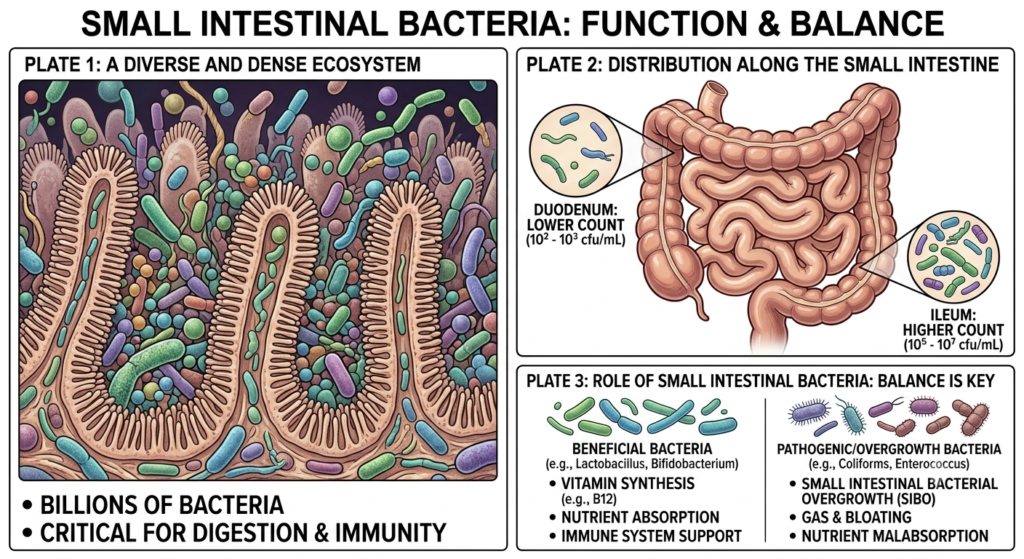
The small intestine normally contains relatively few bacteria compared with the large intestine.
When excessive bacteria grow in the small intestine—a condition known as Small Intestinal Bacterial Overgrowth (SIBO)—they begin fermenting food earlier than they should.
This process can produce:
- Extreme bloating shortly after meals
- Excessive gas
- Belching
- Diarrhea
- Nutrient malabsorption
- Abdominal discomfort
SIBO can develop after certain surgeries, diabetes, intestinal motility disorders, or prolonged use of medications that alter normal digestive function.
Diagnosis typically requires specialized breath testing interpreted by a healthcare professional.
Could It Be Fluid Rather Than Gas?
But gas is’nt always the source of your swollen Belly-. Swelling in the stomach can develop when there’s an accumulation of fluid in your abdominal cavity, and in medicine, we call that ascites. Unlike gas bloating that can happen almost suddenly and ease when the problem stops it would grow quite slowly usually. It also connects to diseases of liver,heart, kidneys, and even to various kinds of cancer that you will want to be sure you take to medical staff as soon as possible because the problem may continue as the situation.
Less Common—but Important—Medical Causes of Severe Bloating
Most cases of bloating are linked to diet, digestion, or temporary hormonal changes. However, if your abdomen is frequently so swollen that you wonder, “why am I so bloated I look pregnant?”, it’s worth considering less common medical conditions that may require professional evaluation
Ovarian Conditions
Persistent abdominal bloating is one symptom that healthcare providers take seriously, particularly when it appears alongside:
- Pelvic pain
- Feeling full quickly while eating
- Frequent urination
- Unexplained weight changes
There are a variety of perfectly harmless reasons for these signs to surface-including ovarian cysts or uterine fibroids. But, they can sometimes be signs of ovarian cancer, and while this diagnosis is extremely rare, for those who never experience regular digestive issues, an abdomen distended day after day must be taken seriously. The trick is to be relentless. An abdomen swollen for days as opposed to hours is reason enough to call your doctor.
Inflammatory Bowel Disease (IBD)
Unlike IBS, inflammatory bowel disease (IBD), the group that includes Crohn’s disease and ulcerative colitis, causes ongoing inflammation in and around the gastrointestinal system.
People with IBD may experience:
- Abdominal bloating
- Persistent diarrhea
- Blood in the stool
- Weight loss
- Fatigue
- Abdominal pain
Unlike occasional digestive upset, these symptoms typically require ongoing medical management.
Gastroparesis
Gastroparesis is a digestive disorder in which the stomach takes longer than expected to pass its contents into the small intestine. As food remains in the stomach for an extended period, digestion slows and a variety of uncomfortable symptoms can develop.
- Fullness after only a few bites
- Nausea
- Vomiting
- Significant bloating
- Upper abdominal discomfort
Gastroparesis is more common in people with diabetes, certain neurological disorders, or after some abdominal surgeries, although it can occur for other reasons as well.
Celiac Disease
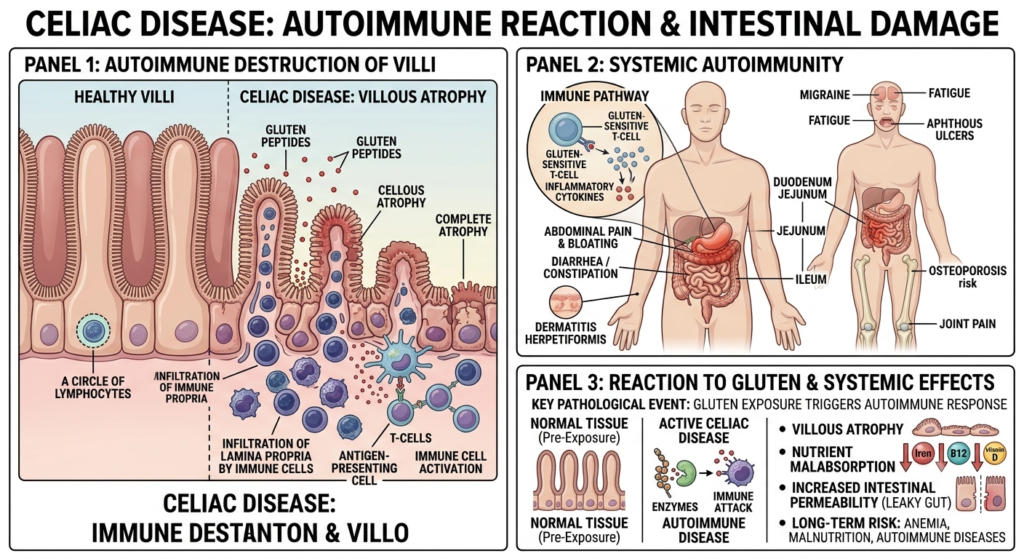
Celiac disease develops when a person’s immune system reacts abnormally to gluten, causing damage to the small intestine in people who have an inherited genetic tendency toward the condition.
Damage to the small intestine interferes with nutrient absorption and commonly causes:
- Severe bloating
- Chronic diarrhea
- Constipation
- Iron deficiency
- Weight loss
- Fatigue
It’s important not to eliminate gluten before testing if celiac disease is suspected, because doing so may affect the accuracy of diagnostic tests.
The Gut-Brain Connection: Why Stress Can Make Your Belly Expand
However, you may be surprised to hear that some common causes of bloating aren’t even stomach problems-instead, the communication from your brain down into your digestive system is the culprit. Brain and stomach constantly talk, new science shows Scientists have discovered new information about how communication between your gut and your brain operates through what researchers call “The gut–brain axis.”
When you’re under chronic stress, your body can respond by:
- Slowing digestion
- Altering bowel movements
- Increasing intestinal sensitivity
- Changing the balance of gut bacteria
- Making normal gas feel painful
Do you get a much flatter tummy while you are on vacation or out with friends on the weekend, and then when you are at work stress kicks in and boom… stomach feels hugely bloat? Don’t be so hard on yourself. Rarely does the stomach get bloated due to stress alone, the work or life of being will often bring on or intensify any existing digestion issues.
Medications That May Cause Bloating
At times, the reason behind “why am I so bloated I look pregnant?” may be linked to an underlying digestive, hormonal, or medical condition rather than ordinary gas or overeating. is found in the medicine cabinet.
Certain medications list bloating as a possible side effect, including:
- Some pain medications
- Iron supplements
- Calcium supplements
- Certain diabetes medications
- Hormonal contraceptives
- Some antidepressants
- Steroid medications
Never stop taking a prescribed medication without speaking with your healthcare provider. Often, alternative medications or dosage adjustments can reduce digestive side effects.
How Doctors Determine the Cause
Because bloating has many possible causes, diagnosis usually begins with a detailed conversation rather than expensive testing.
A healthcare provider may ask:
- When does the bloating begin?
- Does it occur after every meal?
- Which foods make it worse?
- Is constipation present?
- Have you lost weight unintentionally?
- Is there blood in your stool?
- Are symptoms related to your menstrual cycle?
- Are you taking new medications?
Depending on your symptoms, additional evaluation may include:
| Test | Why It’s Used |
| Blood tests | Your healthcare provider may recommend laboratory testing to evaluate for anemia, signs of inflammation, celiac disease, or certain metabolic conditions that could be contributing to your symptoms. |
| Stool tests | Evaluate infection, inflammation, or digestive disorders |
| Breath tests | Detect lactose intolerance or SIBO |
| Ultrasound | Examine pelvic organs and abdominal structures |
| CT scan | Investigate persistent abdominal swelling |
| Endoscopy or colonoscopy | Evaluate structural digestive diseases when indicated |
Not everyone needs extensive testing. Many cases can be managed after a careful history and physical examination.
Practical Ways to Reduce Bloating
Although treatment depends on the underlying cause, several evidence-based habits help many people experience less bloating.
Slow Down at Mealtime
Eating quickly increases swallowed air and makes digestion less efficient.
Instead:
- Chew food thoroughly.
- Put utensils down between bites.
- Eat without rushing whenever possible.
Keep a Food and Symptom Journal
Patterns often become obvious after tracking meals for a few weeks. Keeping a food diary for digestive symptoms can make it easier to identify foods and habits that contribute to bloating.
Instead of eliminating multiple foods immediately, record:
- What you ate
- Portion size
- Time of day
- Symptoms
- Stress level
- Bowel movements
Keeping track of these details can provide useful insights that help both you and your medical provider better understand what’s causing your symptoms.
Increase Fiber Gradually
Fiber supports digestive health, but adding too much too quickly can temporarily increase gas production. Following a gut-friendly high-fiber diet can help you increase your fiber intake more comfortably while supporting digestive health.
Increase intake slowly while drinking enough water.
Stay Physically Active
Even a 15- to 30-minute walk after meals can encourage intestinal movement and help trapped gas move through the digestive tract.
Regular movement also reduces constipation, a major contributor to abdominal distension.
Stay Hydrated

Adequate hydration helps maintain healthy bowel function and may reduce constipation-related bloating.
Contrary to popular belief, drinking enough water often helps reduce water retention rather than worsen it.
Consider Low-FODMAP Guidance
For some people living with IBS, a physician or registered dietitian may recommend following a short-term low-FODMAP eating plan to identify foods that may be worsening digestive symptoms. The diet involves lowering several type of carbs you ingest that most frequently make you burp or swell your belly. A low-FODMAP diet is temporary since it may cause you to feel restricted.
When Should You Seek Medical Care?
Occasional bloating after a large meal usually isn’t an emergency.
However, seek prompt medical attention if bloating is accompanied by:
- Severe or worsening abdominal pain
- Persistent vomiting
- Blood in the stool
- Black or tarry stools
- Fever
- Difficulty breathing
- Rapid abdominal swelling
- Unexplained weight loss
- Persistent bloating lasting several weeks
- A new abdominal lump or mass
These symptoms may indicate a condition requiring immediate evaluation.
Looking Beyond the Swollen Belly
Bloating is mistakenly thought of as “just too much gas,” but it often reflects a complex interaction between your digestion, hormones, gut bacteria, eating habits, and overall health. You can also explore our digestive health and wellness guides for more information on common gastrointestinal symptoms and ways to support a healthier gut.
. The symptom can have an entirely different cause in the one to the next person. Which is why quick internet hacks hardly ever stop you from bloated. And our aim, the one that we tackle is never just making a flat tummy appear, and instead asking: why is bloating occurring in the first place?
Conclusion
If you’ve found yourself repeatedly asking, “why am I so bloated I look pregnant?”, remember that your body is describing a symptom, not providing a diagnosis. For many people, the explanation is relatively straightforward: eating habits, food intolerances, constipation, hormonal fluctuations, or functional digestive disorders like IBS.
Instead, chronic or uncomfortable bloating should warrant a second opinion and a thorough workup that can differentiate between simply feeling a little gurgly and an underlying condition that might need treating. Fortunately, identifying these more serious causes of the bloat often paves the way to symptom resolution. Let lifestyle adjustments and your doc guide you away from bloating-beating remedies to better intestinal health.
Frequently Asked Questions
1. Can bloating really make you look several months pregnant?
Yes. Significant gas, constipation, fluid retention, or abdominal distension can temporarily enlarge the abdomen enough to resemble pregnancy, even without weight gain.
2. Why is my stomach flat in the morning but swollen at night?
Food intake, digestion, gas production, and gravity all contribute throughout the day. Many people naturally experience more abdominal distension by evening.
3. Is bloating always caused by something I ate?
No. While diet is a common trigger, bloating can also result from constipation, hormonal changes, IBS, SIBO, medications, stress, or certain medical conditions.
4. How long should bloating last?
Temporary bloating often improves within several hours or a day. Symptoms that persist for weeks or recur frequently should be evaluated by a healthcare professional.
5. Should I stop eating gluten if I’m bloated?
Not necessarily. Gluten isn’t the cause for everyone. If celiac disease is suspected, testing should be completed before removing gluten from your diet.
6. Can drinking more water reduce bloating?
Yes. Staying hydrated supports healthy digestion and bowel movements, which may reduce constipation-related bloating and improve overall digestive function.
7. What foods commonly trigger bloating?
Common triggers include beans, onions, broccoli, cabbage, dairy (for those with lactose intolerance), carbonated drinks, sugar alcohols, and highly processed foods. Individual triggers vary.