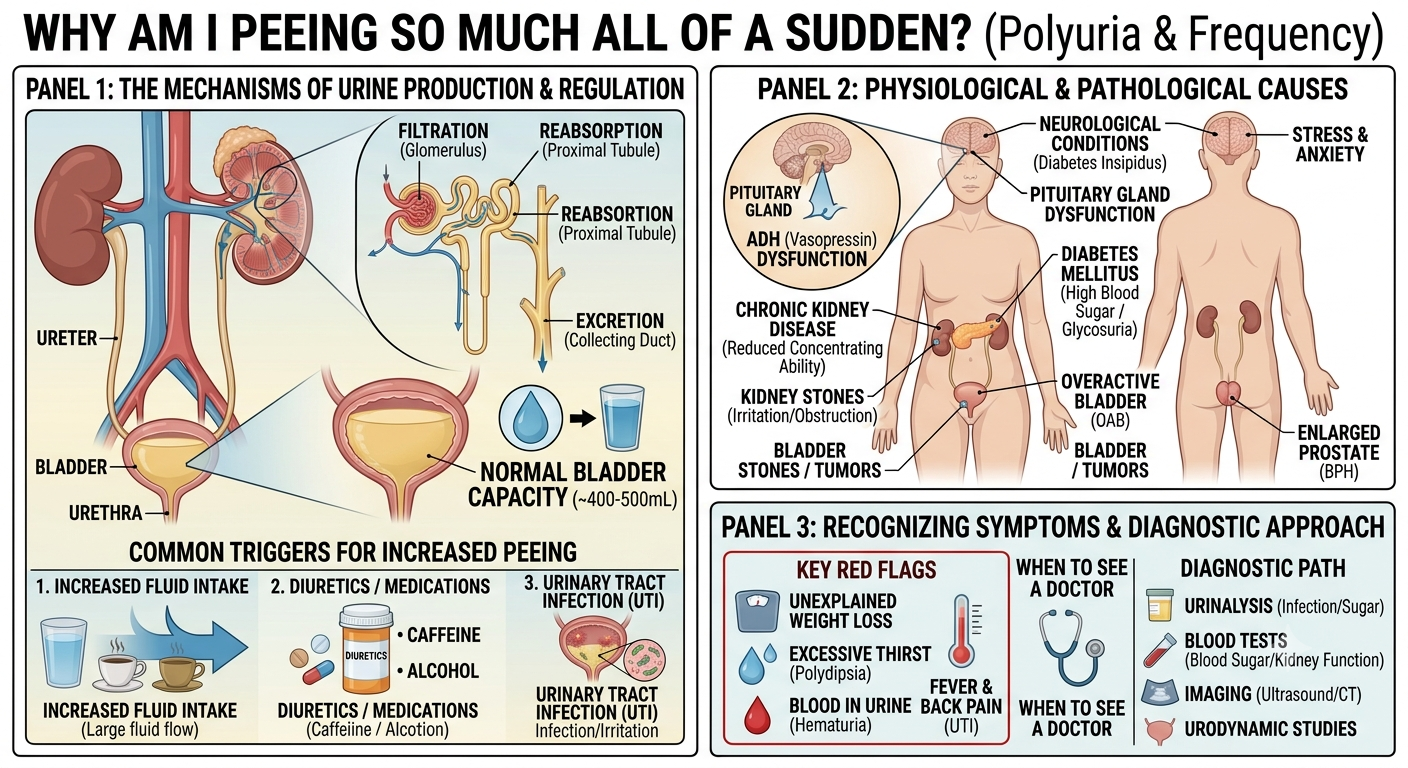
That is when many people begin searching for answers to the question: why am I peeing so much all of a sudden?
The Need for Frequent Urination. For the majority of us, until a specific aspect of our daily routine is somehow disrupted, we rarely consider the amount of time we actually spend in the bathroom. However, an abnormality can soon present itself – such as having the urge to urinate more often throughout the day, waking up during the night for bathroom trips or finding yourself back at the commode just a few moments after getting off.
One of the most immediate and observable signals that we are sending our system is the need for Frequent Urination because it interferes with almost every aspect of one’s daily routine – sleep, extended travel, time spent in the workplace, etc and can lead one to wonder if there is a real problem that is going on.
However, it is good to keep in mind that Frequent urination is not necessarily an indicator of a more serious illness, in some cases it will prove to have a simple cause such as an increase in water or coffee intake, or simply changes in your routine or levels of stress, in other instances the urge can signal that an issue is lurking that requires the attention of your physician.
The trick to deciphering it all relies in realizing that your body – specifically the well-balanced complex network that is the urinary system: involving the kidneys, bladder, nerves, hormones, and muscles – may have altered when things in that delicate system shifted.
The Bigger Picture: Why Changes in Urination Deserve Attention
More than just a normal function Urinating isn’t just a way of releasing built up toxins it’s your body keeping things in balance: Your kidneys always work to sift waste from your blood and keep your water and mineral levels steady. Your body store the liquid in your bladder until your brain signals it’s time.
This process depends on several systems working together.
A sudden change in urination frequency can happen when:
- the body produces more urine than usual
- the bladder becomes more sensitive
- the urinary tract becomes irritated
- hormones affect fluid balance
- medications change kidney activity
- medical conditions influence blood sugar or kidney function
The link between these items means that increased urination is no longer an indication of one type of issue; it is a symptom, but is likely indicative of a diverse set of problems and causes. This means the two individuals that visit the doctor complaining of increased urination may be visiting for very different reasons – the first for drinking too much coffee and the second for an infection of the bladder, while the second has another health condition which influences blood volume.
The pattern matters.
What Does “Peeing Too Much” Actually Mean?

What’s considered too much urine? Before you jump right to causes, know that when doctors talk about “frequently” urinating, there’s not one number that constitutes “too many.” everyone’s bathroom needs are different-everything from your fluid intake, temperature, food, exercise habits, even age and medication can make the need to urinate ebb and flow.
Just like it’s perfectly normal for someone to use the restroom more often on a given day because they’ve consumed a lot of liquid, they’re likely to notice if something changes.
A sudden increase may include:
- Feeling the need to visit the bathroom far more frequently than your typical routine requires
- waking repeatedly during the night to use the bathroom
- feeling an urgent need to urinate
- producing unusually large amounts of urine
- experiencing discomfort, burning, or pressure
The key word is change.
Your own baseline is often the most useful comparison.
Why Am I Peeing So Much All of a Sudden? Common Reasons Behind the Change
Increased Fluid Intake May Be the Simple Explanation
Sometimes the answer is exactly what it appears to be: the body is processing more fluid.
People often increase their fluid intake without realizing how much it affects urination.
Common examples include:
- starting a new hydration routine
- drinking more water during exercise
- consuming more beverages in hot weather
- replacing sugary drinks with water
- increasing liquid intake while trying to improve health habits
While fluids are necessary, it is common to need the loo on more of a regular basis, especially if drinking more liquids.
Caffeine and Alcohol Can Change Bladder Activity
Caffeine and alcohol can change bladder activity. Understanding foods and drinks that can irritate the bladder may help you identify dietary triggers that contribute to frequent urination.
Yes. The same caffeinated beverage you guzzle down each morning might be doing more than helping you wake up by putting you in closer proximity to your bathroom. “For some individuals, it stimulates production of urine [makes you urinate more]”-acting as a mild diuretic-“or it can make the lining of the bladder a little more irritated, increasing the urge to go.”
Sources of caffeine include:
- coffee
- tea
- energy drinks
- certain sodas
- some medications
Because alcohol also affects hormones involved in managing fluid levels, it can impact water absorption in the kidneys as well, and can decrease a person’s effectiveness in conserving water. A man who sharply ups his caffeine or alcohol consumption will notice a change in bathroom visits. Removing these triggers can show whether they were the culprit.
Urinary Tract Infections Can Create Sudden Urgency
One of the most prevalent causes that could account for changes in urination patterns, this occurs when a particular bacterial infection permeates certain regions of the urinary tract as the infection sets off irritation and inflames some regions. This will eventually make your bladder incredibly sensitive, triggering the desire and urgency of emptying your bladder even if it only contained minute amount.
Common symptoms may include:
- frequent urination
- strong urgency
- burning during urination
- cloudy or unusual-smelling urine
- lower abdominal discomfort
Everybody may not have all the symptoms. Frequent voiding of the bladder, often due to drinking a lot of water, should not be automatically concluded in cases of increased frequency of voiding, since when the urgency is acute and is coupled with discomfort it could be as a sign of infection. If any treatments required will be decided on by your medical healthcare professional
Blood Sugar Changes Can Affect Urination Patterns
This can be an area of concern because excessive urination is related to blood glucose control.
If blood sugar levels are higher than they should be, your kidneys will try to take care of some excess glucose by excreting it through urine. The urine requires the body to send an excess of water, leading to extra volume of urine.
Frequent urination related to blood sugar changes may occur alongside symptoms such as:
- increased thirst
- unusual fatigue
- unexplained weight changes
- increased hunger
- blurred vision
Having just one of these shouldn’t necessarily lead one to suspect diabetes, but it’s worth getting evaluated by a healthcare provider if you have multiples. It can also allow doctors to determine if your blood sugar is to blame.
Medications Can Quietly Change Bathroom Habits
Did you know medication might affect the frequency with which you go to the bathroom? Some of the drugs were designed to influence fluid balance in your body; some of the drugs used in high blood pressure include it helping with your body to shed some water and sodium. But it is possible for other kinds of medications to influence a person’s bladder functions too!
Be certain to share any changes in frequency with your medical doctor if they have become prominent since the start of a medication or dose change.
Always take prescribed medicine and please never discontinue any without guidance!
The Bladder Is Not Just a Storage Container
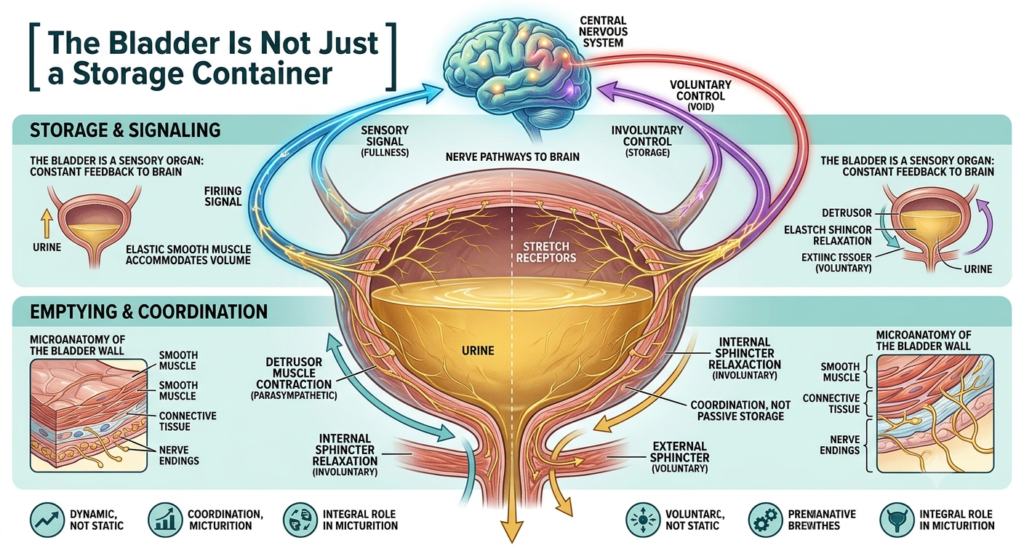
Many people believe the bladder just gets full of pee, and that it then automatically comes out. However, your bladder’s normal function involves a sophisticated information highway. Signals from your bladder tell your brain, “Hey!
My bladder’s starting to fill up!”
Your brain, for its part, tells you if you should hold it or go! The signals in your brain control the muscles to hold back and let pee go.
Problems can occur when:
- the bladder becomes overly sensitive
- nerve signals become disrupted
- muscles do not coordinate properly
- the bladder reacts before it is actually full
This is why someone may feel a strong urge to urinate even when the bladder contains only a small amount of urine.
Why Am I Peeing So Much All of a Sudden? Deeper Causes, Warning Signs, and Practical Steps
Overactive Bladder: When the Urge Arrives Too Often
In other cases, your bladder sends the “signal” too early. It doesn’t because it has so much urine inside it but simply that’s its programming to call the “code blue.”
An overactive bladder condition typically causes frequent muscle contractions in your bladder, which then can lead to a sudden feeling of needing to go, frequent bathroom trips, and difficulty holding off the urine.
People with an overactive bladder may notice:
- a strong and sudden need to urinate
- frequent trips to the bathroom during the day
- waking up multiple times at night
- occasional urine leakage before reaching the bathroom
What causes a restless bladder? You can develop an overactive bladder from causes such as altered nerve activity, a gradual breakdown due to aging, bladder irritation from other factors such as stones or an infection and a number of different physical and health related causes. For those of you with a frequent urge for a wee, it’s good to know that the common myth isn’t what causes your need to go! ‘Tiny bladders’ don’t really exist; it’s more muscle memory, communication pathways between nerves and behaviors that contribute to such a condition.
Nighttime Urination: Why You May Be Waking Up More Often
Nocturia Another one of the common and upsetting types of frequent urination is nocturia, which means you are often waking up during the night to pee, although even one to two night-time calls to the toilet might be perfectly normal for some (particularly after fluids before bed).
Possible contributors include:
- Consuming a significant amount of liquids later in the day, especially close to bedtime
- caffeine consumption later in the day
- certain medications
- sleep disturbances
- changes in hormone regulation
- bladder-related conditions
Frequent nighttime urination, especially when experienced on an ongoing basis, affects overall sleep quality, causes a drain in energy levels throughout the day and impacts a person’s overall day-to-day life functioning. When you have found yourself constantly having to use the bathroom during sleep, it makes sense to bring it up to your physician instead of accepting that getting up numerous times during the night is unavoidable for you or for older adults.
Pregnancy and Hormonal Changes Can Alter Urination
Another reason why we don’t use the toilet normally could be due to hormone fluctuations. Going to the toilet more often can occur during a pregnancy as the growing uterus may put extra pressure on your bladder. Hormone fluctuations can also play a role in the function of your kidneys as they alter how your body produces and metabolises fluid.
But pregnancy is not the only situation where hormones matter.
Changes related to:
- menstrual cycles
- menopause
- aging-related hormone shifts
And play a role in how your bladder behaves. For instance, reduced estrogen levels after the menopause can alter the function of tissues which control urine, leading to sensitivity, irritation or urgency. Most of these changes are not worrisome, but don’t ignore persistent symptoms.
Kidney and Fluid Balance Issues: When Urine Production Changes
The kidneys play one of the most important roles in controlling how much urine the body produces.
They constantly adjust:
- water levels
- minerals
- waste removal
- blood pressure-related processes
If there is a decline in the functioning of the kidneys or changes in the regulation system to control body fluids, there may be differences in patterns of passing urine. In some instances, this frequency of urination can be caused by disorders with ability to concentrate the kidney. Frequent urge of urination, however, does not solely indicate any form of abnormality of the kidney; this factor also concerns other factors, in which the patterns are studied and observed.
Possible warning signs that deserve medical discussion include:
- swelling in the legs or ankles
- persistent fatigue
- changes in urine appearance
- back or side discomfort
- significant changes in urine volume
Stress and Anxiety Can Affect Your Bladder More Than You Think
This connection isn’t commonly discussed. Every time you have to go to the bathroom, the nerves sending signals between your brain and bladder is functioning 24/7. You might find that at stressful times, or when you’re feeling anxious, you suddenly notice you get more urgency for peeing.
This can create:
- frequent urges to urinate
- difficulty relaxing before urination
- a feeling that the bladder is never completely comfortable
If you find yourself having to visit the bathroom more, when you’re about to undergo an event, trip, when you have a speech, when you are stressed the whole day. That doesn’t make the feelings of wanting to rush to the bathroom any less valid.
A person that is undergoing psychological stress or psychological distress will have their nervous system affecting their bodies’ interpretation of things to a true extent. But when it comes to finding a particular cause for having to urinate so frequently, one must eliminate the other possible issues from a physiological point of view before attributing the condition to stress.
Common Misconceptions About Frequent Urination
“I Must Have a Small Bladder”
Many people believe frequent urination means they were born with a smaller bladder.
In reality, bladder capacity is only one part of the picture.
A person may urinate often because the bladder is more sensitive, the body is producing more urine, or signals between the brain and bladder are changing.
“Drinking More Water Is Always the Cause”
Hydration does affect urination, but sudden changes without increased fluid intake may have other explanations.
If someone has not changed their drinking habits but suddenly needs the bathroom much more often, it is worth paying attention.
“Frequent Urination Is Just Part of Getting Older”
Age can influence bladder function, but persistent urinary changes should not simply be dismissed.
Many causes of frequent urination can be evaluated and managed.
Aging may increase risk for certain conditions, but discomfort and disruption are not something people must automatically accept.
When Should You Talk to a Doctor About Frequent Urination?
A temporary increase in urination may not be concerning, especially if there is an obvious explanation such as increased fluid intake.
However, medical advice is recommended when frequent urination is:
- sudden and unexplained
- persistent over time
- affecting sleep or daily activities
- accompanied by pain or burning
- associated with unusual thirst
- linked with blood in urine
- accompanied by fever or back pain
A healthcare professional can review symptoms, medical history, medications, and possible causes.
Diagnosis may involve questions about urinary patterns, a physical examination, and sometimes tests such as urine analysis or blood tests.
The goal is not simply to reduce bathroom trips. It is to understand why the change happened.
Practical Steps That May Help Improve Bladder Habits
While treatment depends on the cause, several everyday habits can support healthier urinary patterns.
Pay Attention to Your Triggers
Keeping track of when symptoms occur can reveal patterns. Using a bladder diary for urinary symptoms can help you monitor your bathroom habits and provide useful information to your healthcare provider.
Notice:
- what you drink
- when you drink it
- how often you urinate
- whether urgency occurs
- whether symptoms happen mostly during the day or night
This information can be valuable if you discuss the issue with a healthcare professional.
Adjust Timing of Fluids
Hydration is important, but timing matters.
Some people benefit from reducing large amounts of fluid shortly before bedtime or avoiding bladder irritants in the evening.
The goal is not to become dehydrated. It is to create a balanced routine.
Maintain Healthy Lifestyle Habits

General health affects urinary function.
Helpful habits include:
- maintaining a balanced diet
- staying physically active
- managing stress
- avoiding unnecessary bladder irritants
- following medical advice for existing conditions
The urinary system does not operate separately from the rest of the body. Overall health plays a role, and our urinary health and wellness resources offer additional guidance on maintaining a healthy bladder, kidneys, and urinary tract.
The Bigger Lesson: Listen When Your Body Changes Its Routine
The body communicates through patterns.
A sudden increase in urination is not always a sign of something serious, but it is a change worth understanding.The main concern is not simply the number of times you use the bathroom, but also understanding the changes in your normal urination pattern. but also “What else has changed?”
Has your thirst increased?
Did you start a new medication?
Are you experiencing pain, urgency, fatigue, or sleep disruption?
Small details often provide important clues.
The search question “why am I peeing so much all of a sudden” reflects a common human concern: trying to understand a body that suddenly behaves differently. The answer may be simple, or it may require medical attention, but awareness is the first step.
Conclusion: Understanding What Your Urination Patterns May Be Telling You
There are countless reasons for frequent urination- from obvious things like drinking more water or consuming caffeine to various medical conditions-some that involve your bladder or kidneys, while other conditions relate to hormones and blood sugar.
If you are wondering why am I peeing so much all of a sudden, the most useful approach is to look at the complete picture rather than focusing on one possible explanation.
Sudden Changes in the Bathroom Habits can Offer Clues to Your Body While it’s normal for things to shift, a change in urination and bowel habits can indicate something going on, which sometimes requires prompt treatment. Learn more about warning signs of when changes in the bathroom routine could signal a problem.
Frequently Asked Questions
1. How many times a day is considered frequent urination?
Nobody can say there’s a specific number everyone pees at because it really does depend. People excrete on a lot of things such as their climate, water intake, foods they consume and what they do age and their overall health and fitness level. If it increases significantly on just how you pee then you don’t really know what an actual number really even would signify
2. Why am I peeing so much but not drinking more water?
If your amount of fluid hasn’t increased, you may have frequent urination for other reasons – perhaps bladder problems, certain medicines, an urinary tract infection (UTI), stress, and even changes in how your body handles fluid.
3. Can anxiety make you urinate more often?
Yes. Stress and anxiety can influence communication between the brain and bladder, causing some people to feel increased urgency or more frequent urges.
4. Is frequent urination a sign of diabetes?
Urinary frequency: high levels of sugar in your body, along with high blood sugar, could explain frequent urination, particularly if accompanied by symptoms like increased thirst, fatigue, or changes in your weight
5. Why do I wake up several times at night to pee?
Causes include fluids in the evening, caffeine, medication, lack of sleep, fluctuating hormone levels or issues with the bladder. Speak to a doctor if you frequently visit the loo at night.
6. Can a urinary tract infection cause frequent urination?
Yes. A urinary tract infection can irritate the bladder and create frequent urges, often along with symptoms such as burning, discomfort, or changes in urine appearance.
7. Should I worry if I suddenly start peeing more often?
While not all rises will give you alarm but an unexplained sudden change in your count is certainly cause for concern, especially if it continues, accompanied by any of these symptoms:-pain on Urination,-fever,-excess thirst,-any bleeding in urine,-anything that appears to be a concern.