These concerns are understandable because deviated septum surgery recovery is a gradual process rather than an overnight transformation. While most patients experience significant improvement over time, the nose needs weeks—and sometimes several months—to heal completely.
Most individuals seeking surgical correction for a deviated septum do so after several years of struggling with chronic sinus congestion, problems breathing through one or both sides of their nose, regular sinus infections and disturbed sleep patterns.
While surgery for the deviated septum may seem simple enough, the questions typically start once procedures are completed and recovery takes center stage – will breathing immediately improve, how much swelling can I expect, will I feel more congested immediately post-operatively than before the surgery, and when can I resume normal work, sleep or exercise patterns.
Knowing what’s going on at every stage of recovery helps maintain expectations, decreases unnecessary stress, and enables you to heal better overall. This guide covers what you need to know about your recovery after surgery, your postseptoplasty care routine, the usual pace of healing and when to follow up with your provider.
Understanding Deviated Septum Surgery
Scoliosis in the Nose Also called deviated septum is a defect on the thin wall, the bones and cartilage that stand between the two divisions of your nose. Many people with this have the congenital condition and some develop it as an injury; a person is said to have deviated nose if his cartilage, a section which separates the two chambers, does not just be aligned to the center.
Septoplasty or surgery to straighten a crooked nasal septum may be recommended by an ENT specialist to improve breathing and manage problems related to chronic sinusitis.
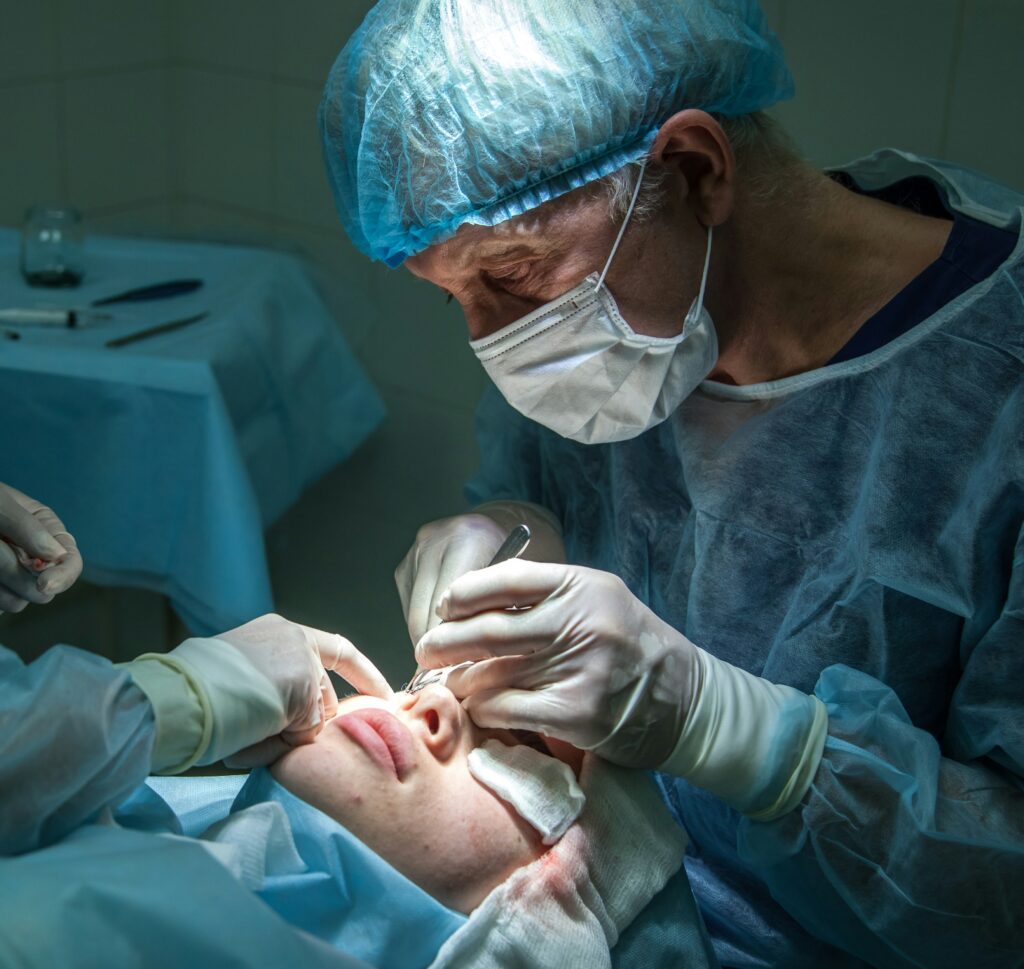
While cosmetic nose jobs alter your appearance, septoplasty is intended to enhance breathing function (even though, for cosmetic reasons, rhinoplasty can sometimes be performed in addition to a septoplasty). The surgeon repositions or reframes cartilage and bone during the operation to ensure that an unobstructed passage through the nose will result. However, even after the structural alteration is complete, your surrounding nasal tissue requires a period of healing before optimum breathing can occur.
The First 24 Hours After Septoplasty
The first day after surgery is usually focused on rest and allowing the effects of anesthesia to wear off.
Many patients notice:
- Nasal congestion
- Mild bleeding or blood-tinged drainage
- Swelling inside the nose
- Pressure around the nose and cheeks
- Fatigue
- Mild discomfort rather than severe pain
Perhaps many patients’ greatest shock is that their breathing will initially feel even worse immediately after their surgery due to restricted access with breathing via their nose. You will notice this. Due to the temporary swelling, the placement of internal splints, bandages, and nosepacking temporarily restricts airflow and breathing often won’t clear until you have overcome some post surgical swelling a few days to weeks down the road
Why Your Nose Feels Blocked Even After Surgery
Most patients assume when their septums have been adjusted that they will get immediate relief as well. Unfortunately, most often what occurs is nasal blockage! Surgery can lead to temporary inflammation. When your body increases blood flow to that areas of your nose you will also likely have swelling in your nose.
Additionally, your surgeon may place:
- Internal silicone splints
- Soft packing material
- Dissolvable support materials
These help stabilize the septum while healing begins.
Once swelling decreases and any splints are removed, breathing often improves considerably.
The First Week of Recovery
The first week is typically the most challenging portion of recovery, though discomfort is usually manageable.
During this period, patients commonly experience:
- Nasal stuffiness
- Light bleeding
- Dry mouth from breathing through the mouth
- Mild headaches
- Pressure around the eyes
- Reduced sense of smell
- Crusting inside the nostrils
Many of the symptoms listed slowly diminish over time on a daily basis. The visits of follow during this time enable the surgeon to look for proper healing, remove the splints if needed, and even lightly cleanse the nose and surrounding tissues. Some individuals experience breathing improvement as soon as the splints are removed even though proper healing occurs over many more months.
Pain Management During Deviated Septum Surgery Recovery
Fortunately, septoplasty is not usually considered one of the more painful surgical procedures.
Patients more commonly describe:
- Pressure
- Congestion
- Fullness
- Tenderness
- Mild facial discomfort
Rather than intense pain.
Your healthcare provider may recommend:
- Prescription pain medication during the first few days
- Acetaminophen or other approved pain relievers
- Cold compresses around (not directly on) the nose or eyes
- Sleeping with your head elevated
Don’t use aspirin or some anti-inflammatory medicines if you’ve been told not to, since they might cause bleeding. Always do exactly as your surgeon has advised concerning taking your medicines.
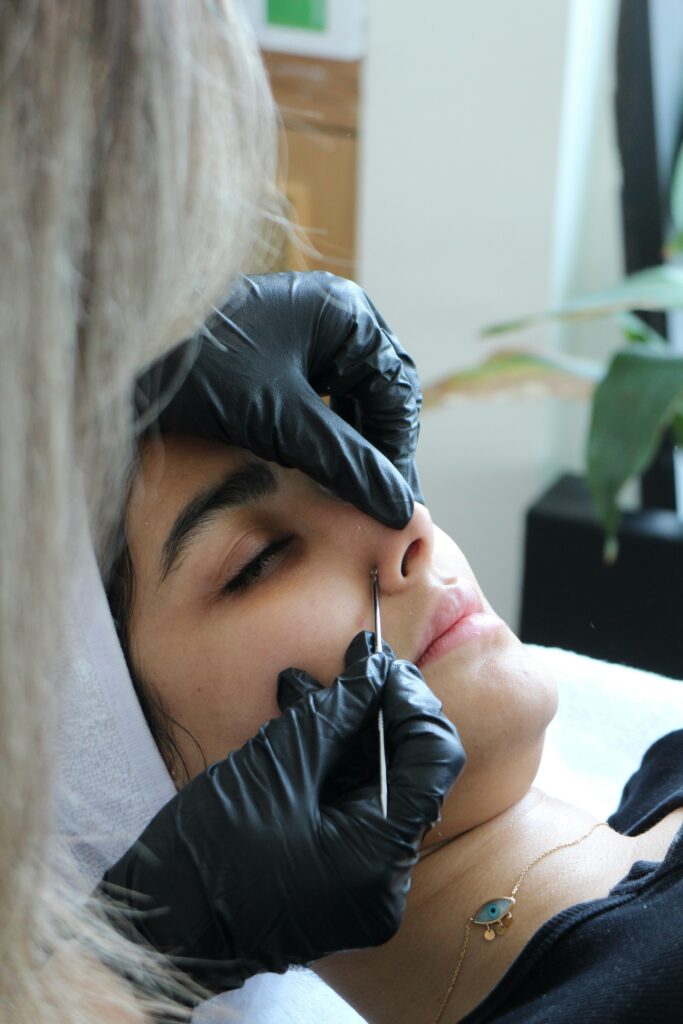
The Importance of Nasal Care After Surgery
Recovery depends heavily on proper postoperative care.
Unlike many surgeries, healing after septoplasty continues inside the nasal passages where patients cannot easily see the progress.
Your surgeon may recommend:
Saline Nasal Spray
Saline helps:
- Keep tissues moist
- Loosen dried mucus
- Reduce crust formation
- Support natural healing
Patients are often encouraged to use saline several times each day, depending on their surgeon’s instructions.
Avoid Blowing Your Nose
If you blow your nose prematurely you risk damaging fragile tissues being regenerated and your injury bleeding again. Dabbing and saline rinses can often help clear debris for several days after nasal surgery until you can resume normal nose blowing. Your doctor will tell you when this is acceptable.
Keep the Head Elevated
The first few nights back in bed, use additional pillows and Sleep with your upper body elevated to ease swelling. Some patients also say this makes you sleep better at night and decreases nasal congestion during slumber.
Recovery Timeline: What Most Patients Experience
Although healing varies, the following timeline provides a general overview.
| Recovery Stage | What to Expect |
| First 24 hours | Congestion, mild bleeding, swelling, fatigue |
| Days 2–7 | Reduced bleeding, continued swelling, gentle walking, follow-up visit |
| Weeks 2–4 | Improved breathing, less congestion, gradual return to normal activities |
| Weeks 4–8 | Most swelling continues to resolve, nasal tissues strengthen |
| Several months | Final healing and maximum improvement in breathing often become apparent |
Septoplasty mainly changes the inside of the nose, so the outside shape usually remains nearly the same.
Returning to Daily Activities
Most people recover quickly enough to resume many everyday tasks within a week or two, but timing varies.
Returning to Work
Patients with office-based jobs often return within several days to one week if they feel comfortable.
Jobs involving:
- Heavy lifting
- Dust exposure
- Physical labor
- High-impact activity
may require additional recovery time.
Exercise
Ease back into exercise After any surgery you should ease back into physical exercise slowly. Walking soon after an operation is almost always recommended as it improves your blood supply. Nevertheless you would normally be advised to avoid weight-lifting, contact sports, running and weight-lifting until your surgeon is confident that your nose is properly healed, as they may lead to higher blood pressure and have the potential to cause postoperative bleeding.
Eating and Drinking During Recovery
For many patients, a normal diet is generally well-tolerated soon after the operation. It is possible that while facial tenderness exists the first day or two post-operatively, you may prefer to initially have softer Foods – whatever feels comfortable For people often take mouthbreathing that causes dehydration. Drinking plenty of fluid is essential.
A balanced diet containing the right nutrients can also support healing, similar to other post-surgery recovery guides.
- Lean protein
- Fruits
- Vegetables
- Whole grains
- Healthy fats
provides nutrients needed for tissue repair and immune function.
What Symptoms Are Usually Normal?
Understanding what to expect can help reduce needless anxiety.
Common recovery symptoms include:
- Mild nasal bleeding
- Blood-tinged mucus
- Swelling
- Congestion
- Temporary loss of smell
- Dry mouth
- Crusting inside the nose
- Mild facial pressure
- Occasional sneezing
These signs typically resolve over a few weeks. It’s not uncommon to experience more swelling in one side of the nose vs. Another during healing, due to not all the swelling going down at once.
Warning Signs That Require Medical Attention
Recovery typically goes smoothly for the vast majority, but it’s good to be aware of signs and symptoms you may notice as it heals that can suggest you have a complication. Your overall day-to-day recovery should slowly get a bit better over time.
Contact your surgeon promptly if you notice:
- Heavy nosebleeds that do not slow with gentle pressure or according to your postoperative instructions
- A fever (especially above 101°F or 38.3°C) or chills
- Pain that gets worse and is not relieved by prescribed medicine
- Thick yellow, green, or foul-smelling nasal drainage
- Significant swelling that worsens instead of improving
- Persistent vomiting that prevents eating or drinking
- Difficulty breathing that suddenly becomes worse
- Vision changes, severe headaches, or swelling around the eyes
These symptoms do not always indicate a serious problem, but they should be evaluated by a healthcare professional rather than managed at home.
Common Recovery Mistakes That Can Slow Healing
There are many complications of septoplasty that are totally preventable. Most patients will have some pretty marked improvement within the first week, but there are still soft tissues within the nose at this time.
Blowing Your Nose Too Soon
Sneeze-Blow Balance Don’t blast that button for your nose! Blowing vigorously after surgery can traumatize healing nasal tissue, restart bleeding, or result in the return of puffiness. Wait for your doctor to say you can return to normal blowing habits.
Returning to Exercise Too Early
Even if your energy has returned, vigorous exercise can increase blood pressure and raise the risk of postoperative bleeding.
Activities to postpone until cleared by your surgeon include:
- Running
- Weightlifting
- High-intensity interval training (HIIT)
- Contact sports
- Swimming
- Yoga poses that position the head lower than the heart
Walking is usually the safest way to stay active during early recovery.
Skipping Saline Irrigation
Many patients underestimate how important saline sprays or rinses are.
Keeping the nasal passages moist helps:
- Reduce crusting
- Improve comfort
- Support natural healing
- Promote better airflow
Consistent nasal care often makes recovery noticeably more comfortable.
Smoking and Vaping
Tobacco smoke and nicotine reduce blood flow to healing tissues.
Smoking may:
- Delay recovery
- Increase irritation
- Slow wound healing
- Raise the risk of infection
If possible, avoid smoking before and after surgery according to your surgeon’s recommendations.
Ignoring Follow-Up Appointments
Follow-up visits allow your ENT specialist to:
- Check healing progress
- Remove splints if needed
- Clean crusted areas safely
- Identify complications early
Even if you feel well, these appointments remain an important part of recovery.
Sleeping Comfortably During Recovery
Sleep is often one of the biggest challenges after deviated septum surgery.
Because swelling naturally increases when lying flat, many patients feel more congested at night.
To improve comfort:
- Sleep with your head elevated using two or more pillows or a wedge pillow.
- Sleep on your back rather than your side during the first week if recommended.
- Keep your bedroom air comfortably humid if advised by your healthcare provider.
- Stay well hydrated to reduce mouth dryness caused by breathing through your mouth.
Avoid sleeping face-down because pressure on the nose may increase discomfort.
When Can You Travel After Septoplasty?
Many patients ask whether it is safe to travel soon after surgery.
The answer depends on several factors, including:
- The complexity of the procedure
- Your overall recovery
- Whether you are traveling by car or plane
- Your surgeon’s recommendations
Most times traveling the long distance would have to be at a time where the possibility of bleeding had already minimized and subsequent checkups made;
If traveling via plane it may be a case where one is in the middle of cabin pressure or traveling in dry surroundings making irritation to the nasal passageway appear momentarily.
Always do inform the surgeon if there has been the consideration of having to travel a large distance so soon after surgery so it has to be planned correctly in the future with his prior advice.
When Will You Notice Better Breathing?
Perhaps the biggest question patients ask is:
“When will I finally breathe better?”
The answer varies.
Some will see improvement very quickly with the removal of splints; others will see improvement slowly over several weeks as swelling subsided. Internal healing can take several months so often the breathing continued to get better even after the incision healed. One must be patient, it can often be some time before the final outcome is evident.
Long-Term Recovery and Lasting Results
For most patients, septoplasty provides long-lasting improvement in nasal airflow.
Once healing is complete, many people report:
- Easier breathing through both nostrils
- Better sleep quality
- Less nighttime mouth breathing
- Fewer sinus infections when a deviated septum contributed to the problem
- Improved tolerance for exercise
- Better overall quality of life
There’s still a risk of future nasal injury or of other reasons for a congested nose, such as ongoing allergies or a history of sinusitis, if that is an issue in addition to the surgery. An allergy will need to be treated even with a properly repaired deviated septum.
Expert Recommendations for a Smooth Recovery
Although every recovery is unique, ENT specialists commonly recommend several habits that consistently support healing:
- Follow all postoperative instructions exactly as provided.
- Use saline sprays or rinses only as directed.
- Keep follow-up appointments, even if you feel well.
- Stay hydrated throughout recovery and support healing by following postoperative wound care guidelines whenever appropriate.
- Eat a balanced diet rich in protein, vitamins, and minerals.
- Avoid heavy lifting until cleared by your surgeon.
- Protect your nose from accidental bumps, especially around children and pets.
- Give yourself enough time before judging the final results of surgery.
Healing is a gradual biological process. Trying to rush it often leads to unnecessary frustration.
Final Thoughts
A successful deviated septum surgery recovery is measured by steady improvement rather than immediate perfection. During the first days after septoplasty, swelling, congestion, and mild discomfort are expected, and many patients temporarily feel more blocked than they did before surgery. This can be discouraging, but it is a normal part of the healing process.
Once the inflammation begins to go down and the nasal tissues begin to heal, you should gradually find it easier to breathe and feel more comfortable during everyday activities. You can help promote optimal healing and comfort by cleaning your nasal passage diligently, not overexerting yourself, staying well-hydrated, and strictly following the advice provided by your surgeon postoperatively.
Don’t hesitate to contact your medical provider immediately if you notice anything unexpected during your recovery period, including excessive bleeding, fevers, increased pain, or any difficulty breathing; you should always rely on personalized guidance for medical advice. Given time and attentive care, most individuals can experience an uneventful recovery that leaves them with greater ease and comfort breathing through their nose.
Frequently Asked Questions (FAQs)
1. How long does deviated septum surgery recovery take?
Many patients return to their normal light daily activities within the first one or two weeks of surgery. Your internal body will continue healing for several months. Healing and the length of recovery depends upon how much surgery you have and how quickly you heal.
2. Is it normal to feel more congested after septoplasty?
Yes. Swelling, scab formation, and protective splinting of the nose will most likely increase a blocked feeling for the first few days. It can be expected to slowly get better over time.
3. When can I blow my nose after deviated septum surgery?
Refrain from blowing your nose until your surgeon advises it’s clear to do so, as doing it too early might cause extra bleeding and impede your recovery.
4. Can I sleep on my side after septoplasty?
During the first week the majority of surgeons advises that you should be Sleeping on your back and raising your head so the area can be reduced to minimize swelling.
5. When can I exercise again?
Gentle walking is often encouraged soon after surgery. Running, heavy lifting, and high-intensity exercise usually need to wait until your surgeon confirms it is safe.
6. Will septoplasty change the appearance of my nose?
Typically septoplasty has functional improvements rather than cosmetic benefits. Cosmetic results may at times be achieved by combining the two in a combined septoplasty and rhinoplasty procedure.
7. How do I know if my septoplasty is healing properly?
It is a good sign if swelling, breathing congestion decreases a bit. Do try to make it to the appointments, so that your surgeon can make sure that you’re healing up alright, and attend to concerns.