These concerns are common because hernia surgery recovery is not the same for everyone. Healing depends on several factors, including the type of hernia, the surgical technique used, overall health, age, and how closely postoperative instructions are followed.
The real feeling of relief from surgery is typically when the patient is leaving the OR. The hernia is fixed and the surgery is done, and it’s time to deal with something that usually worries people more, recovery.
The questions usually start within moments of the surgery. “How much pain is normal?” “When can I walk?” “When will I be able to lift groceries, do my favorite exercise or return to work?” Will the hernia repair be destroyed with a cough or laugh?
Fortunately, the vast majority of hernia repairs are successful with few, if any, significant complications. By having realistic expectations about the normal healing process, anxiety and setbacks can be minimized. Knowing when to push and what’s not okay can turn recovery from a passive wait for healing into a very active one.
This guide walks you through every part of the hernia repair recovery process, along with advice for making healing a quick, easy, and safe process, dispels the most common myths and helps patients recognize and address any concerns with the help of their physician.
Understanding Hernia Surgery Before Recovery Begins
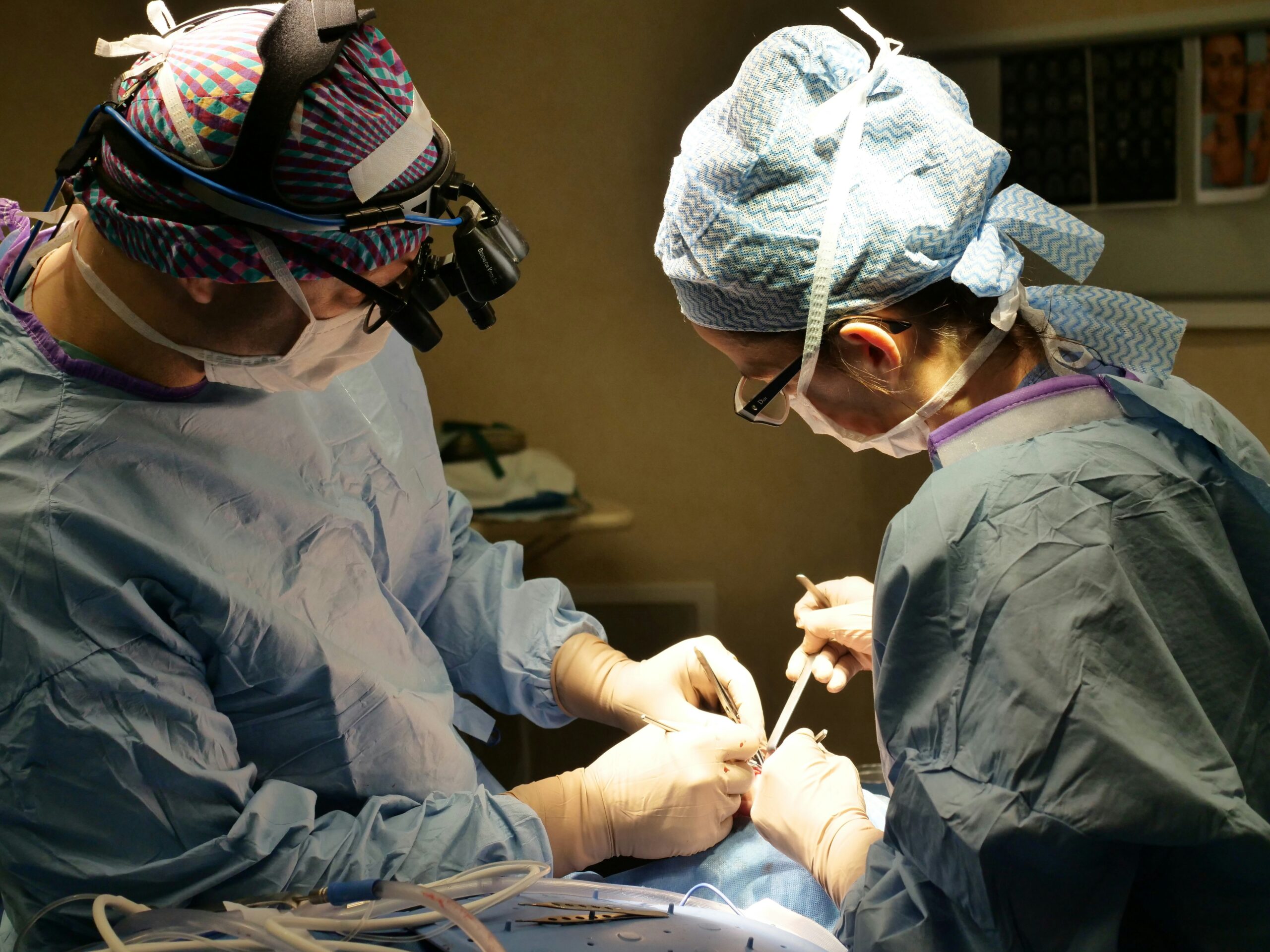
A hernia occurs when an internal organ or fat pushes through a weak muscle or tissue, a condition known as an abdominal wall hernia. While most are painless, some grow over years or can become caught or strangulated leading to more serious complications. Repair with sutures (stitching), mesh or stitching and mesh corrects weakness.
The most common procedures include:
- Open hernia repair, performed through a single incision.
- Laparoscopic hernia repair, using several small incisions and a camera.
- Robotic-assisted hernia repair, a minimally invasive technique available in some surgical centers.
Although the surgical methods differ, the body’s healing response follows many of the same biological steps.
The First 24 Hours After Hernia Surgery
The first day is usually focused on recovery from both the surgery and the anesthesia.
Many patients notice:
- Mild to moderate discomfort
- Grogginess
- Soreness around the incision
- Temporary swelling
- Fatigue
- Difficulty moving comfortably
These symptoms are generally expected.
Going back to normal activities Most medical teams will be asking their patients to get up and walk as early as within hours after their surgery has concluded. Despite what you might think to be restful, getting up and moving helps circulation in your legs and elsewhere, ease stiffness, keeps your bowels moving, and reduces your risk of forming a blood clot, otherwise referred to as a deep vein thrombosis (DVT). Getting out and taking short walks around the house every couple of hours is a great strategy that also helps prevent deep vein thrombosis after surgery.
The First Week: Your Body Begins the Repair Process
People can feel impatient during first weeks, as they don’t expect a lot to happen, in regards to the surgery, as they are only to see the scar only but there is a great activity that going on under the skin. The inflammatory cells will remove old collagen that was around and replaced the muscle repair with some new, more vigorous collagen that starts laying down a replacement for the injured muscle in order to help repair the area.
You may experience:
- Bruising around the incision
- Mild swelling
- Tightness
- Tenderness when standing
- Mild burning sensations
- Occasional pulling feelings
These symptoms often improve gradually rather than disappearing overnight.
Pain typically becomes easier to manage each day, especially with prescribed or recommended medications.
Why Walking Matters More Than Many People Realize
One of the most common misconceptions is that complete bed rest speeds recovery.
In reality, prolonged inactivity can create new problems.
Gentle walking helps:
- Improve blood circulation
- Prevent stiffness
- Support lung function
- Stimulate digestion
- Reduce constipation caused by pain medication
- Lower the risk of blood clots
The key is moderation.
Walking should never become strenuous exercise during the early recovery period.
Managing Pain Without Slowing Recovery
Pain is one of the biggest concerns after surgery, but discomfort often changes rapidly over the first several days.
Many patients describe the pain as:
- Aching
- Pressure
- Tightness
- Pulling
- Mild burning
Sharp pain usually occurs only during certain movements such as coughing, sneezing, or standing.
Doctors may recommend:
- Prescription pain medication for the first few days
- Acetaminophen or other approved pain relievers
- Ice packs (when advised)
- Supporting the incision with a pillow while coughing
Pain should generally improve over time.
Pain that suddenly becomes severe after initially improving deserves prompt medical evaluation.
Common Symptoms That Are Usually Normal
Many patients become worried because they notice changes they were not expecting.
The following are often considered part of normal healing:
Mild Swelling
Swelling around the surgical site can last several weeks.
This is part of the body’s natural inflammatory response.
Bruising
Purple, yellow, or green discoloration may spread farther than expected.
Gravity often causes bruising to move downward over several days.
Temporary Numbness
Small skin nerves can be affected during surgery.
Temporary numbness or tingling around the incision often improves gradually.
Fatigue
Healing requires energy.
Even patients who feel physically well may notice lower stamina during the first couple of weeks.
Hernia Surgery Recovery Timeline
Recovery varies from person to person, but a general timeline helps set realistic expectations.
| Recovery Stage | What Most Patients Can Expect |
| First 24 hours | Walking short distances, soreness, fatigue |
| Days 2–7 | Reduced pain, gentle daily activities, incision healing |
| Weeks 2–4 | Increased mobility, light household activities, gradual return to work for some patients |
| Weeks 4–6 | Many patients resume moderate activity if approved by their surgeon |
| After 6 weeks | Many surgical repairs have gained substantial strength, though complete internal healing continues |
These are general estimates. Recovery instructions always depend on the individual procedure and surgeon’s recommendations.
Returning to Everyday Activities
One of the most frequent questions patients ask is, “When can I get back to normal?”
The answer depends on the activity.
Driving
Driving is generally considered only after:
- Prescription pain medication is no longer needed.
- Sudden braking can be performed comfortably.
- Turning the body causes minimal discomfort.
Returning to Work
Typically, office jobs give individuals a quicker rebound than physical ones. An individual holding an office occupation could resume following 7-14 days if they’re comfortable whereas positions demanding significant heavy lifting might carry one many additional days or maybe longer. Before returning to physical occupation it is imperative that you take after direction out of your doctor to assist make a sound and speedy healing.
Exercise
Exercise should return gradually.
Patients often begin with:
- Walking
- Gentle stretching (if approved)
Running, weightlifting, abdominal exercises, and contact sports usually require medical clearance before resuming.
Nutrition During Hernia Surgery Recovery
Food cannot repair an incision by itself, but proper nutrition provides the building blocks needed for healing.
A balanced recovery diet typically includes:
- Lean proteins for tissue repair
- Fruits and vegetables for vitamins and antioxidants
- Whole grains for energy
- Healthy fats
- Adequate hydration
It is possible to suffer from constipation after surgery, particularly when taking prescription opioids. Fortunately, adequate fiber intake plus plenty of fluids will ease straining during bowel movements, thereby taking some pressure off the repair of an inguinal rupture.
Protecting the Surgical Repair
The repaired tissue gradually becomes stronger, but it is not immediately as strong as it was before surgery.
Patients should avoid activities that dramatically increase abdominal pressure unless their healthcare provider has approved them.
Examples include:
- Heavy lifting
- Forceful pushing
- Intense abdominal workouts
- Moving heavy furniture
- Holding the breath while lifting objects
Many surgeons recommend using proper lifting techniques even after formal recovery ends to reduce future strain on the abdominal wall.
Warning Signs That Should Never Be Ignored
While most hernias repair surgery procedures go without significant complications, all procedures of any kind carries some risk. Understanding what’s normal for your body to feel while it’s healing can help to know when to contact your medical doctor for treatment.
Contact your surgeon or healthcare provider if you experience:
- Increasing pain that becomes worse instead of better
- Fever, chills, or persistent flu-like symptoms
- Redness that spreads around the incision
- Thick yellow, green, or foul-smelling drainage from the wound
- Persistent bleeding from the incision
- Difficulty urinating after surgery
- Severe nausea or repeated vomiting
- Significant swelling that continues to increase
- A new bulge developing near the repair site
- Chest pain or shortness of breath, which requires immediate emergency evaluation
These symptoms do not always indicate a serious complication, but they should not be ignored.
Open vs. Laparoscopic Hernia Surgery Recovery
One reason recovery experiences vary is that not all hernia repairs are performed the same way.
Open Hernia Repair
Open surgery involves a larger incision over the hernia site. Because more tissue is divided to reach the weakened area, soreness may last longer.
Patients often notice:
- More tenderness around the incision
- A longer recovery before heavy lifting
- A larger visible scar
However, open surgery remains an excellent option for many complex or large hernias.
Laparoscopic Hernia Repair
Laparoscopic surgery uses several small incisions and specialized instruments.
Many patients experience:
- Less postoperative discomfort
- Smaller scars
- Earlier return to light activities
- Reduced wound discomfort
In some patients, there can be temporary shoulder pain related to the gas inserted for a laparoscopic approach. Typically, the shoulder pain resolves within a couple days. But no matter which approach is used, the healing of the tissues inside the body always takes some time. Just because your pain is gone doesn’t mean the tissue has been restored to maximum strength.
Common Recovery Mistakes That Can Delay Healing
Recovery is not only about what patients do it is also about what they avoid.
Returning to Heavy Lifting Too Soon
The most common cause of slow healing is trying to lift or carry a large or heavy object after a tear occurs before the area fully mends itself. Although pain may be decreasing, an area can continue to heal for a number of weeks.
Ignoring Postoperative Instructions
Each surgery is different, of course, and the details regarding lifting restrictions, wound care and activity, when to bathe and to be expected after a hernia repair will depend on the specific surgery and any physician instruction you are provided with. Avoid taking tips from friends or online chat boards over that from your surgeon as that only leads to higher risks.
Staying Completely Inactive
Avoid heavy exercise However rest does not mean completely bed ridden to slow healing can also cause many potential dangers. A bit of light exercise will facilitate the healing of the blood circulation to increase pulmonary capacity prevent the occurrence of thrombosis, constipation.
Poor Nutrition and Hydration
Skipping meals, eating a diet low in protein, or becoming dehydrated can slow tissue repair.
A balanced diet supports collagen production and wound healing.
Smoking During Recovery
Nicotine can impair blood flow and oxygen transport to wound sites. Nicotine use is related to an increased time for healing and potentially increased risk of complications, including hernia recurrence. If you are a smoker, your physician can provide referrals and recommendations to help you quit.
Emotional Recovery Matters Too
Physical recovery gets a lot of focus, but emotional recovery matters just as much. There are those who get understandably frustrated by the fact they aren’t getting back to business as usual right away. The worry sets in that each twinge or niggle indicates that you haven’t been fixed.
Trust that this is more often than not going to be your emotional experience for at least first couple of weeks of getting back into things!
Expectations are your greatest ally in not causing yourself additional stress. Healing is usually a less than straight and smooth line that can involve a day that feels pretty darn good to another that’s maybe just a little stiff especially when you try something that pushes your new limits…
Long-Term Recovery and Preventing Another Hernia
Surgery can fix current problems but all the other things in the world the cause initial weakness cannot fix and there is no way to avoid that which will not help prevent future ones.
Helpful strategies include:
- Maintaining a healthy body weight
- Using proper lifting techniques
- Treating chronic constipation to avoid excessive straining
- Managing chronic cough if present
- Staying physically active once fully healed
- Strengthening core muscles only after receiving medical clearance
For Those Who Frequently Lift Work with appropriate posture-or, how to lift safely-to decrease repetition and stress on your abdominal area.
What Recovery Looks Like Months Later
By several months after surgery, many patients have returned to normal work, exercise, travel, and recreational activities.
Some people continue to notice:
- Mild tightness during certain movements
- Occasional sensitivity around the scar
- Temporary firmness beneath the incision as scar tissue matures
These changes often continue improving over time.
Scar remodeling is a gradual process and can continue for many months after surgery.
Final Thoughts
A successful hernia surgery recovery is about more than waiting for the incision to heal. It involves giving the repaired tissues enough time to regain strength, gradually returning to daily activities, and recognizing the difference between normal healing and signs that require medical attention.
Generally, patients recover well over the next several weeks. Early movement, a healthy diet, care for the surgical site, and following the directions of your surgeon meticulously will ensure optimal recovery. As you get past the pain phase, it will be difficult not to jump back into life as usual as soon as the pain ceases; however, a proper healing process can be one of the most preventative measures against re-herniation.
If your recovery appears unusual or you become symptomatic again, do not guess. Contact your physician. No one can give you personalized care but your health care providers. Explore more evidence-based medical articles on the Doctor Capable.
Frequently Asked Questions About Hernia Surgery Recovery
1. How long does hernia surgery recovery usually take?
Most individuals resume most basic activities of daily life within one to two weeks, however internal healing can take some weeks to several months. Healing time varies according to the kind of hernia, method used for repair and health factors of individual health.
2. Is it normal to have swelling after hernia surgery?
Yes. Some localized puffiness or swelling nearby can happen along with the incision, and most of this usually fades with healing. But more significant swelling along with severe pain, excessive redness, or fever can merit further evaluation by the medical doctor.
3. When can I lift heavy objects again?
When varies depending on the surgery being performed and the preferences of your surgeon. It may be weeks after heavy weight gain restriction so the surgical repair will strengthen and have time to heal to get stronger.
4. Can I climb stairs after hernia surgery?
In one or two days you may manage to use the stairs cautiously, only when you feel confident that you are balanced. However, avoid carrying loads while in the early stages of recovery.
5. What foods help after hernia surgery?
Eat healthily An healthy diet with sufficient fluids and sufficient amounts of lean proteins, fruits, vegetables and whole grains aids in healing. The fiber in a healthy diet may prevent constipation which can be triggered by inactivity or use of painkillers.
6. When should I call my doctor after surgery?
Also, contact your physician if any of the following symptoms start and worsening : redness with spreading to other areas ,fever, nausea and or vomiting, increasing swelling or pain ,pus like discharge, urinary difficulty and/or any new mass is growing in the area around surgical incision .
7. Can a hernia come back after surgery?
Yes, recurrence can occur but many will do well long-term. Keeping the surgical wound clean and dry following surgery, not picking up heavy items too soon, maintaining an appropriate weight, and managing chronic cough or constipation will help prevent this.