Low Dose Naltrexone LDN (low dose naltrexone) has become popular as an off-label treatment option for several chronic health issues, such as certain autoimmune disorders, neurological problems, and chronic pain conditions. LDN uses the exact same drug as higher dose naltrexone but only on the dosage level between 0.5 milligrams as well as 4.5 milligrams each day. Because it works differently at these lower doses, many people wonder what to avoid when taking low dose naltrexone to get the best possible results and reduce the risk of unwanted side effects.
Knowing this is helpful because a lot of things we eat, use or take that don’t require a prescription can interfere with the LDN medication. You can get by using it for quite a while but taking medication that interacts with it and going against what the doctors prescribed it can lower its effect or you might have some ill-effects.
This guide explains what to avoid when taking low dose naltrexone, why certain interactions matter, and how to use the medication safely based on current medical understanding.
What Is Low Dose Naltrexone?
Previously Naltrexone, in much higher dosages typically 50mg, was originally formulated to manage opioid and alcohol dependence. This higher dosage would effectively bind to your opioid receptors for extended periods to reduce cravings and deter any effects of opioid substances. LDN is taken in extremely small amounts.
According to many scientists and researchers, LDN blocks opioid receptors for very short periods of time (a few hours).
It is the brief blocking action which can encourage your body to release more endorphins and enkephalins. These compounds are natural substances your body uses to regulate your mood and manage pain.
Although research continues to evolve, healthcare providers sometimes prescribe LDN off-label for conditions such as:
- Multiple sclerosis
- Fibromyalgia
- Crohn’s disease
- Hashimoto’s thyroiditis
- Rheumatoid arthritis
- Complex regional pain syndrome
- Chronic fatigue syndrome
- Some inflammatory skin disorders
Because many of these uses remain off-label, treatment should always be supervised by a qualified healthcare professional.
Why Knowing What to Avoid When Taking Low Dose Naltrexone Matters
Unlike some meds that simply work with other meds, LDN targets your opioid receptor systems in a very direct way. Some things simply won’t play nice in the sand box, and if those are medications with opioids like the various pain medications, you’ll be a candidate to be told that your condition can’t be treated withLDN. LDN can cause other side effects to be worse, affect your ability to sleep, and potentially mess up some of your other underlying health issues, which should be considered. Learning what to avoid when taking low dose naltrexone helps patients:
- Reduce the risk of medication interactions
- Improve treatment consistency
- Avoid unnecessary side effects
- Support the intended therapeutic effects
- Prevent complications before surgery or emergency care
Not every precaution applies to every patient, but understanding the common recommendations allows for better discussions with your healthcare provider.
Medications You Should Avoid While Taking Low Dose Naltrexone
Opioid Pain Medications
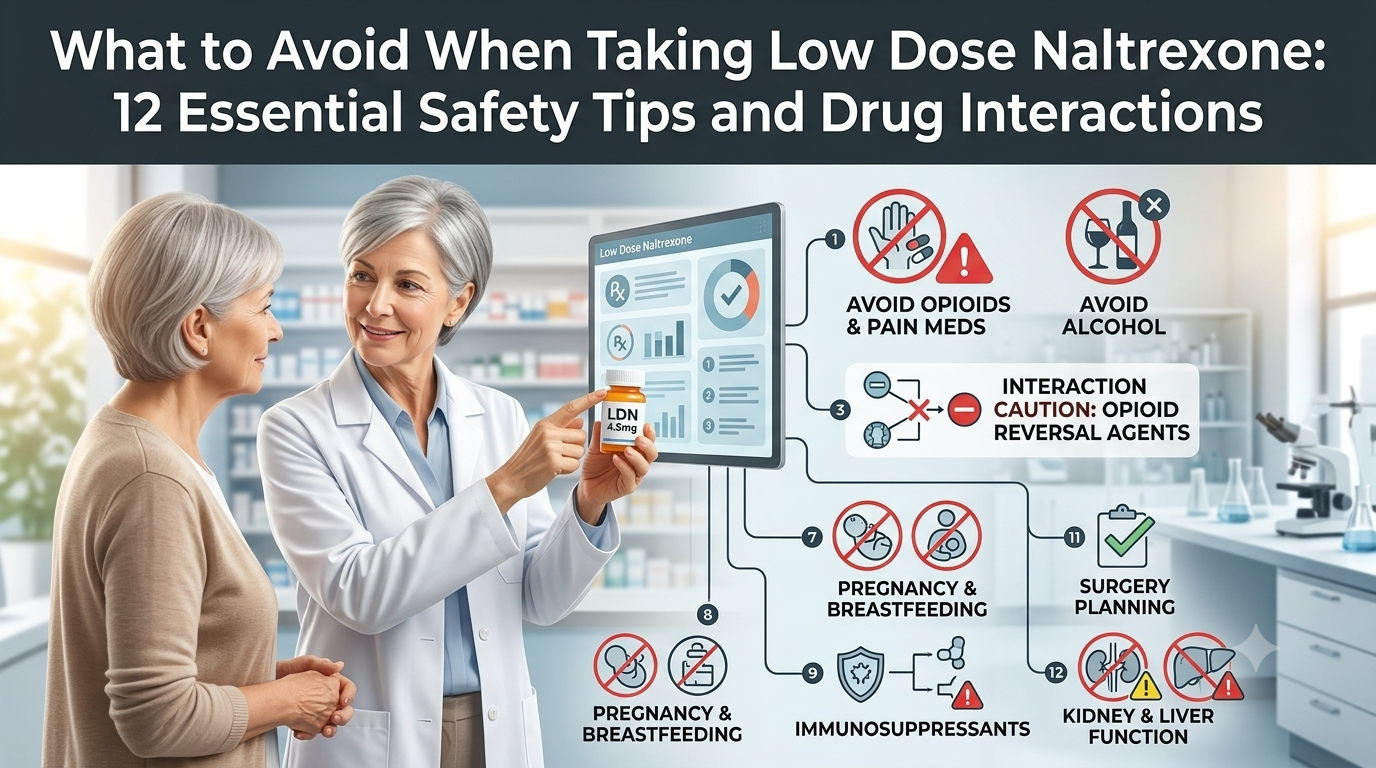
The most important answer to what to avoid when taking low dose naltrexone is opioid medications and their interactions, which patients should understand before starting treatment.
Despite using much lower doses than standard naltrexone treatment, LDN still temporarily binds to opioid receptors. If you are taking opioid pain medicine while this happens, it may not be as effective in providing you with pain relief.
Examples include:
- Morphine
- Oxycodone
- Hydrocodone
- Tramadol
- Codeine
- Fentanyl
- Hydromorphone
- Methadone
- Buprenorphine (requires special medical supervision)
If someone is still using opioids, starting LDN too early may cause sudden withdrawal symptoms.For that reason, the medical providers normally advise against any of the opiods a week or two prior to treatment and depending on what opiod they are and how severe their condition the provider will determine how long to keep them from it before they start LDN.
Do not stop prescription opioids abruptly unless your healthcare provider tells you to.
Over-the-Counter Products That May Contain Opioids
Many people don’t realize that certain cough medications or prescription cough syrups may contain opioid ingredients such as codeine or hydrocodone.
Before using:
- Prescription cough syrups
- Combination pain medications
- Imported medications
- Certain older formulations
Always read the ingredient list or ask a pharmacist whether an opioid is present.
Alcohol: Is It Safe with Low Dose Naltrexone?
Many patients ask whether alcohol belongs on the list of what to avoid when taking low dose naltrexone.
Unlike opioids, alcohol does not produce the same direct receptor interaction. However, moderation is generally recommended.
Some people notice:
- Increased dizziness
- Sleep disturbances
- Fatigue
- Headaches
- Difficulty judging whether early LDN side effects are medication-related or alcohol-related
Furthermore, if LDN is used to assist with management of autoimmune disease or chronic inflammatory condition heavy alcohol intake might cause a problem with your underlying condition whether or not you are taking LDN. If you do plan to consume any amount of alcohol during this treatment then please speak to your clinician before you do this.
Should You Avoid Certain Supplements?
None of the more commonly used vitamins and minerals are documented to interact with LDN. However, supplements are worth a mention since they tend to affect the immune system, inflammation, or sleep. Many supplements sold as immune boosters could also pose a problem for someone taking LDN for autoimmune disorders.
And although few have been well-tested, adding multiple new supplements when beginning LDN makes it hard to sort out the cause if symptoms change.
Most providers advise against taking multiple new supplements and would rather patients take just one at a time, and inform them about any adverse effects. Patients taking thyroid medicine, blood thinners or other prescriptive medication also must confer with their health provider about new supplements as some can interact with these medications in addition to LDN.
Sleep Aids and Sedating Medications
Many individuals have vivid dreams or slight sleeping difficulties in the early weeks of treatment with LDN. For this reason, using LDN in conjunction with several other sedative medicines may blur the lines between what is due to the LDN, and what is due to other medicines, if those are introduced on your own. If prescription sleeping drugs, antihistamines, or other medicines to reduce anxiety may be a part of your treatment, the dosage changes should be managed by your doctor rather than via an “on-the-fly” experiment.
Does Food Affect Low Dose Naltrexone?
Luckily, the impact food has on LDN absorption is minimal and in most cases the LDN can be taken with or without food. The most important part is to take it at about the same time every day in order to develop a routine and accurately report how your body reacts to it. A few individuals have noted benefits from taking LDN at bedtime but also reported an increased incidence of sleep difficulties or nightmares and decided to switch to taking LDN in the morning instead.
Medical Conditions That Require Extra Caution
Understanding what to avoid when taking low dose naltrexone also means recognizing when certain health conditions require closer medical supervision. Although LDN is well tolerated by many people, it may not be suitable for everyone.
Raising the dose too quickly can lead to: If you have significant liver disease, consult with your doctor before initiating treatment with LDN.
The dosage of naltrexone used in LDN is far less than the doses prescribed for other indications, but it does still need to be cleared by your liver.
Baseline liver function blood work and continued monitoring may be indicated in those with prior history of liver disease. LDN should not be given to pregnant or breastfeeding patients, but treatment can be used by physicians on occasion, depending on a risk-benefit discussion. Individuals with kidney disease, those who have had recent organ transplantation or other serious medical conditions, should consult with the physicians taking care of them.
Avoid Changing Your Dose Without Medical Advice
A common mistake is assuming that taking more LDN will produce better or faster results. Unlike many medications, low dose naltrexone appears to work within a relatively narrow dosing range.
Increasing the dose too quickly may lead to:
- Sleep disturbances
- Vivid dreams
- Restlessness
- Headaches
- Digestive discomfort
Alternatively, taking different doses or doses irregularly might make it impossible for you and your provider to know if it is doing what you hope it does. Some providers will start a patient on 0.5 mg or 1.5 mg, then gradually increase that dose in the following weeks as needed, letting your body adjust with as little side effects as possible.
Avoid Expecting Immediate Results
One of the biggest misconceptions about LDN is that symptom improvement should occur within a few days.
Unlike pain relievers or antibiotics, LDN may require weeks or even several months before noticeable benefits appear, similar to understanding how fast fluconazole 150 mg works before expecting symptom relief. The exact timeline depends on the condition being treated, individual biology, dosage, and overall health.
For example:
| Condition | Possible Time Before Improvement* |
| Chronic pain | Several weeks |
| Autoimmune disorders | 2–3 months or longer |
| Neurological conditions | Highly variable |
*These timeframes are general observations rather than guaranteed outcomes.
Stopping treatment after only a week or two may prevent patients from experiencing its potential benefits. Patience and regular follow-up with your healthcare provider are important parts of successful therapy.
Avoid Taking Opioids Before Planned Surgery Without Informing Your Medical Team
Tell the healthcare provider taking care of your surgery, dental work, and other procedures what low dose naltrexone prescription you have, just in case you may need an opioid pain medication afterwards. Since LDN is an opioid antagonist (it blocks opioid receptors temporarily), it can interfere with effective pain management with opioid pain medications after a surgery or other procedure.
Your physician may recommend temporarily stopping LDN before the procedure.Exactly when this happens depends on factors such as:
- Your current dose
- The type of surgery
- Whether opioids are expected afterward
- Your overall medical condition
Never discontinue prescribed medication without specific medical instructions.
Avoid Ignoring New or Persistent Side Effects
Most reported side effects of LDN are mild and temporary, particularly during the first few weeks. However, persistent symptoms should not be dismissed.
Possible side effects include:
- Vivid dreams
- Difficulty sleeping
- Mild headaches
- Temporary fatigue
- Nausea
- Digestive discomfort
These symptoms often improve as the body adjusts. However, severe abdominal pain, allergic reactions, jaundice, persistent vomiting, or any unexpected serious symptoms require prompt medical evaluation.
A simple symptom diary can help track patterns and give your healthcare provider useful information during follow-up visits.
Lifestyle Habits That May Affect Treatment Success
Although there is no strict “LDN diet,” overall lifestyle can influence how well people manage chronic illnesses.
Many clinicians encourage patients taking LDN to support their overall health by:
- Maintaining consistent sleep habits
- Eating a balanced diet
- Staying physically active within their abilities
- Managing stress through relaxation techniques
- Following treatment plans for underlying medical conditions
These habits do not directly increase the effectiveness of LDN, but they may contribute to better overall symptom control and quality of life.
Common Mistakes People Make While Taking Low Dose Naltrexone
Many questions about what to avoid when taking low dose naltrexone arise because patients unintentionally make preventable mistakes.
Some of the most common include:
Starting Without Reviewing Current Medications
Even over-the-counter medicines, cough syrups, or recently prescribed pain medications should be reviewed for possible opioid ingredients before starting LDN.
Frequently Changing the Dose
Constantly increasing or decreasing the dose makes it difficult to determine whether the medication is working or causing side effects.
Expecting Rapid Improvement
LDN usually requires patience. Many chronic inflammatory conditions improve gradually rather than overnight.
Stopping Treatment Too Early
Some patients discontinue LDN before giving it enough time to demonstrate potential benefits.
Self-Treating Without Medical Supervision
Because LDN is commonly prescribed off-label, treatment should always involve a healthcare provider familiar with your medical history rather than relying solely on online advice or off-label medication use guidance found elsewhere.
Expert Tips for Using Low Dose Naltrexone Safely
Many doctors who prescribe LDN give their patients the following practical advice for a better experience with this treatment. First, try to take the LDN every day around the same time, unless your doctor has advised you differently. Consistency will help your doctor monitor how your body responds.
Second, try to have an up-to-date list of your current prescriptions, over-the-counter medications, vitamins, and herbs to share with your doctor on each visit to help screen for negative drug interactions.
Third, have reasonable expectations about this treatment. LDN is not a “cure” for a chronic condition, and the results vary from person to person, ranging from significant positive effects to no effect at all despite proper dosage.
Frequently Asked Questions
Is It Safe to Drink Coffee While Taking Low-Dose Naltrexone?
Yes. There is no well-established interaction between low dose naltrexone (LDN) and coffee or caffeine. Most people can continue drinking coffee in moderation unless they notice that caffeine worsens side effects such as insomnia, jitteriness, or vivid dreams. If LDN affects your sleep, limiting caffeine later in the day may help.
Should I stop taking vitamins or supplements with LDN?
Not necessarily. A number of other vitamins and minerals are considered generally safe to take with LDN. Nonetheless, given that certain herbs and supplements could affect certain medications, and some could impact your condition, it is wise to consider discuss everything you ingest with your doctor or pharmacist before commencing treatment.
Is it safe to take LDN every day?
For most people who are prescribed LDN, daily use is the intended treatment plan. Taking it consistently helps maintain a predictable response. Do not skip doses, double doses, or change your schedule without consulting the healthcare professional who prescribed it.
Can I take pain medication while using low dose naltrexone?
It depends on the type of pain medication. Non-opioid pain relievers, such as acetaminophen or many nonsteroidal anti-inflammatory drugs (NSAIDs), are often compatible, but opioid pain medications can interact with LDN because naltrexone blocks opioid receptors. Talk to your healthcare provider before starting any new pain medication.
What should I do if I accidentally miss a dose?
If you miss a dose, follow the instructions provided by your prescriber. In many cases, patients simply take the next scheduled dose rather than doubling up. If you’re unsure what to do, contact your pharmacist or healthcare provider for guidance.
Does low dose naltrexone interact with antidepressants?
LDN has no known major interactions with most of the antidepressants, although each and every combination needs to be considered one by one. Given that not every person’s history is similar, your attending doctor would decide whether it is crucial to maintain monitor or need to perform modification in dosage for those cases.
Can I suddenly stop taking low dose naltrexone?
Many people can come off LDN with no significant withdrawal symptoms, as it’s not physically addictive. That being said, if you stop, you might be more likely to see the symptoms of your condition returning. Talk to your health care provider if you plan on stopping treatment and they can offer you advice on how to do this most safely.
Conclusion
Knowing what to avoid when taking low dose naltrexone can help you use the medication more safely and improve your overall treatment experience Important Precautions Here are some things to be aware of when taking LDN: Avoid opioid medications unless your doctor says they are safe. Be aware of the impact that any new prescription and over-the-counter medications may have. Limit alcohol use if directed.
Don’t change the dose yourself.
Be patient! LDN often doesn’t become apparent to patients for weeks or even months. LDN’s Versatility Due to its broad range of applications and often off-label usage, LDN treatments vary from person to person. Work closely with your doctor, get your medications reviewed thoroughly, and use diligently, and you’ll have a good idea whether LDN may be an option for you.
Please consult your doctor about taking LDN if you suffer from ongoing side effects, experience new health problems, or if you require surgery or prescription pain medication.