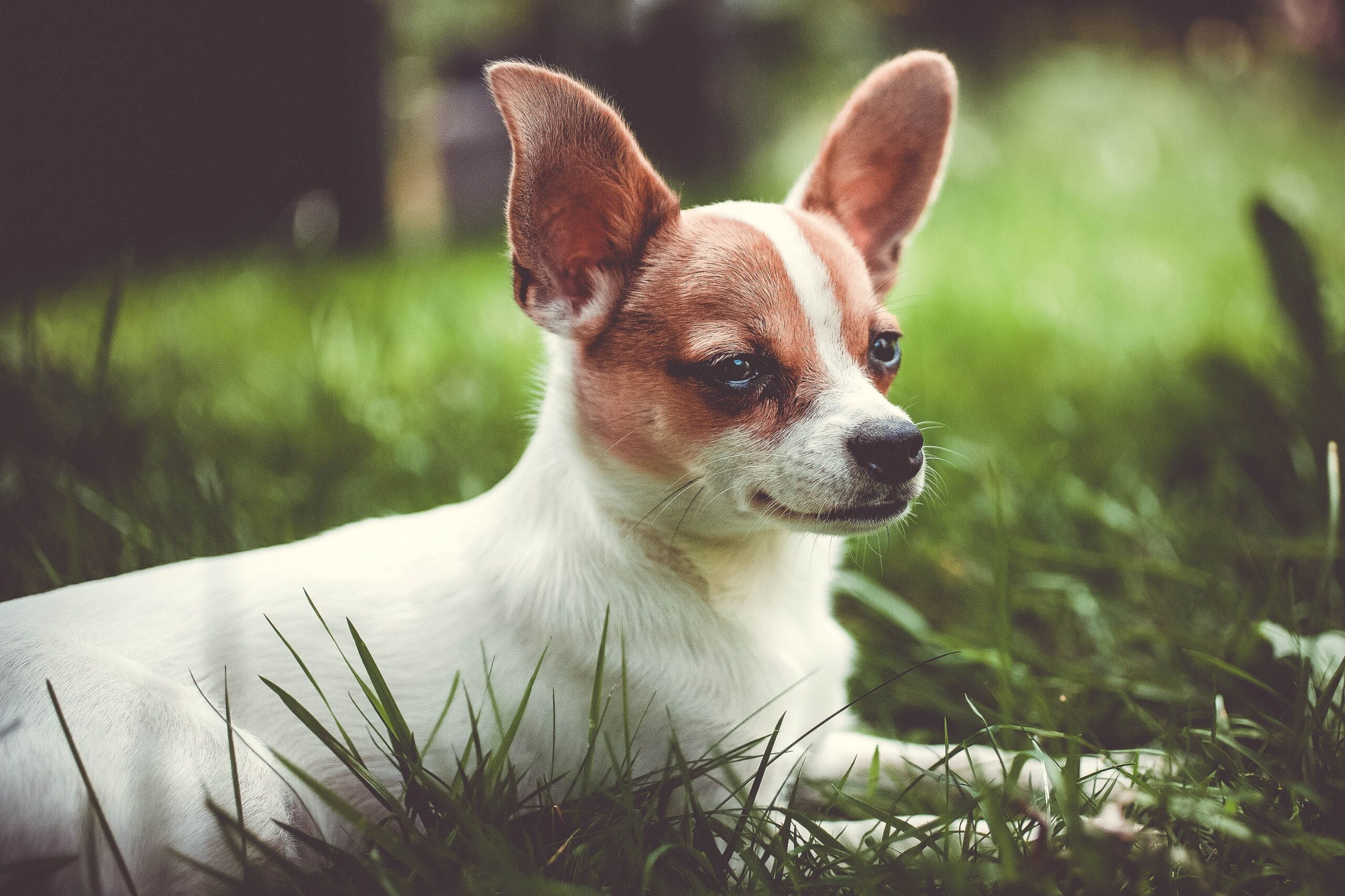
Why Are Chihuahuas So Angry?
We think of Chihuahuas as uncommonly fiery, but a little dog who yaps, growls at approaching people, bites when touched or dares to attack a considerably larger dog is not behaving angrily in the human sense of the word. It appears to be anger, but can also be frustration, a lack of confidence, stress, pain, Territorial issues, or habit.
Their small size can also help explain why are Chihuahuas so angry when they interact with the world. A Chihuahua may feel physically vulnerable around unfamiliar people, children, larger dogs, or sudden movements. Barking, growling, and snapping can become ways of creating distance from something the dog considers threatening.
All about genetics, socialization from the beginning of it’s life, it’s training, its environment, and its temperament are all extremely relevant. Some Chihuahua’s are naturally more self assured and confident then others and some are quite timid or prone to reaction. The behavior is far more rewarding to work with when you can determine the cause rather than label the dog with “madness.”
Fortunately, most undesired behavior can be redirected with proper management, positive reinforcement, clear rules, and veterinary assistance where warranted.
Are Chihuahuas Actually Angry?
Short answer: A growling, biting, snapping, or lunging Chihuahua is not automatically “angry.” Some Chihuahua behavior can mean: “I am afraid,” “This makes me uncomfortable,” “I am super excited,” “I am frustrated,” “This is my space and you need to move away,” or “Please go away.” You have to consider the context, body language, and history-as well as the sequence of what happens around the event-to determine its meaning.
Dogs do not experience emotions the same way people do, so you will find them communicate through body language, actions, and context instead of through “emotional” statements as we understand them.
Thus, if one Chihuahua grows at the close approach of a strange person and another Chihuahua barks at another big dog, or another Chihuahua barks at the door as a learned association, the dogs may look like they’re doing the same thing but the intention behind the growl or bark could be completely different. And recognizing that difference is really key to finding a solution that actually solves the problem.
Why Do Chihuahuas Have Such a Strong Reputation for Aggression?
Part of the reputation comes from the contrast between their size and their behavior. A small dog displaying intense defensive behavior can seem more dramatic than a large dog doing the same thing.
This difference in how small dogs are treated can also help explain why are Chihuahuas so angry. People may tolerate behaviors from small dogs that they would immediately address in larger breeds. A little dog that jumps, growls, or snaps may be picked up rather than trained. Owners sometimes excuse the behavior because the dog is unlikely to cause the same physical damage as a large breed.
Unfortunately, when we let an undesirable behavior occur several times, the dog can learn that that behavior can work-if its barking causes a stranger to step away, it may learn that barking can work; if growling causes its owner to not touch its tender spot, it might resort to growling next time when approached. That doesn’t mean the dog is doing something intentionally… But, instead behavior can get strengthened by its consequences.
Fear Is One of the Most Common Reasons for Defensive Behavior
Chihuahuas, through no fault of their own, can be a bit nervous in strange situations because of their small stature. A larger person in close proximity bending their entire body over their face and approaching their eyes is perceived as intimidating. To the human observer it may appear as a friendly gesture but to the Chihuahua it can be uncomfortable.
The same applies to large dogs rushing toward a small Chihuahua, noisy household activity, unfamiliar environments, or children who move quickly.
Fear can look aggressive
A frightened dog may:
- Bark repeatedly
- Growl
- Show its teeth
- Back away
- Freeze
- Hide
- Snap
- Lunge
- Try to escape
If a dog feels like their is no way to escape they can become more defensive than an individual at a distance from a tightly held Chihuahua. Punishing fear can actually result in a more frightening situation for the dog who has just had a terrifying experience on top of another. Instead the intention is to provide an unpressurized approach to training and gradually teaching that a cue does not necessarily have to result in an negative outcome.
Small Size Can Influence How a Chihuahua Responds
Being small does not automatically make a dog aggressive, but size can affect the situations it encounters.
A Chihuahua lives in a world where furniture, people, children, vehicles, and other animals may tower over it. Ordinary household events can be physically overwhelming.
Being picked up is another important factor that may help explain why are Chihuahuas so angry in certain situations. Some small dogs are frequently carried, especially when they become nervous. While carrying a dog can be appropriate in certain situations, constantly removing it from situations without addressing the underlying fear can prevent it from learning how to calmly cope.
A Chihuahua also needs opportunities to walk, explore, sniff, learn, and interact safely with its surroundings, making healthy dog care and training tips an important part of supporting confident behavior.
Confidence comes from appropriate experiences, not simply from avoiding everything unfamiliar.
Poor Socialization Can Contribute to Reactivity
Early socializing helps the puppy understand that meeting various types of humans and animals, various sounds and surfaces and being touched differently in varied environments can be ok and safe.
For a dog that hasn’t been subjected to many new things, they might respond poorly to them later.
Socializing does not mean that a puppy MUST be exposed to everyone they meet. If the dog is scared and flooded with un-known dogs or humans, it may respond negatively.
Good socializing is a “slow approach”, that the pup is exposed at its rate, and not overwhelmed by it.
For a grown adult chihuahua, whose chihuahua dog already reacts with a full alert response…the same protocol of calm, and positive-associates exposure can desensitize it in the long-run.
Genetics and Individual Temperament Matter
Not all Chihuahuas are alike in their temperament.
They may range from very social, outgoing dogs with an inquisitive nature, to naturally timid and cautious dogs, or even dogs that are nervous or timid. They are affected by inheritance, as they were bred for a temperament suitable for such conditions, and by experience, or learning. It does little use in comparing one Chihuahua to another, that may seem nervous. One that had, for instance, always been happy with any stranger who visits it, will require a rather different handling to the one that, for years, had always barked at, and lunged toward it, that one would necessarily be approached with caution.
Pain and Medical Problems Can Cause Sudden Aggression
A previously friendly dog that suddenly becomes irritable deserves special attention.
Health problems can also help explain why are Chihuahuas so angry or reactive in certain situations. Pain can make dogs less tolerant of handling and interaction. Dental problems, arthritis, injuries, skin conditions, ear problems, gastrointestinal discomfort, neurological conditions, and other health issues can affect behavior.
Chihuahuas that growl when handled in a specific area of their body may be trying to tell you they are unhappy about what you are doing, not just being bad.
Especially important in an older dog are behavior changes since changes in health or cognitive processes related to age may cause a previously pleasant scenario to feel threatening to the dog.
If aggressiveness comes on suddenly, and a vet visit to rule out a medical condition seems warranted first, then a vet check is the most logical step, especially when pain and behavior changes in dogs may be connected.
Resource Guarding Can Look Like Anger
Some Chihuahuas guard certain items of food, toys or beds. A growl, snap, rigidity or staring can be expected from a food guarding dog once someone enters the eating vicinity. The conflict only escalates and increases the resource guarding when someone physically takes the possession away from the dog.
The aim when managing and working on the behavior should be to positively associate approached situations (having the person approaching) with good outcomes for the dog.
No child should ever be encouraged to “steel” a resource guarded item from a dog that exhibits the behavior. If it comes to bite, the owner should seek help.
Territorial Behavior Can Trigger Barking and Lunging
A Chihuahua may become highly vocal when someone approaches the home.
Doors, windows, fences, and yards can become important territorial triggers. The dog may bark at delivery workers, visitors, pedestrians, or other animals passing outside.
Territorial behavior can become self-reinforcing because the person eventually leaves.
From the dog’s perspective, barking appears to have worked: the stranger disappeared.
Managing the environment can therefore be useful. Blocking access to a window, reducing visual triggers, and teaching the dog an alternative behavior can prevent repeated rehearsal of the unwanted response.
Frustration Can Also Look Like Aggression
Not every reactive dog is afraid.
A Chihuahua may bark or lunge because it wants to approach another dog but cannot reach it. Leashes, fences, gates, windows, and physical barriers can create frustration.
This is sometimes called barrier frustration.
The dog may appear aggressive even though the underlying motivation involves excitement or frustration.
Watching the dog’s entire body can provide clues. Context matters more than one behavior in isolation.
How to Help a Reactive Chihuahua
The first step is to identify the trigger.
Keep track of what happens before the behavior. Consider the person, animal, object, location, distance, sound, handling, time of day, and circumstances involved.
For example, you might discover that your dog is calm around visitors outdoors but becomes defensive when someone enters the house.
That information is far more useful than simply recording that the dog “doesn’t like strangers.”
Use distance to your advantage
If a dog reacts when another dog comes within 10 feet, forcing it to remain close to the trigger is unlikely to teach calm behavior.
Instead, work at a distance where the Chihuahua can notice the trigger without becoming overwhelmed.
Reward calm behavior with something the dog values, such as small treats, praise, or another appropriate reward.
Over time, the goal is to build a new association between the trigger and positive experiences.
Teach an alternative behavior
Simply telling a dog “no” does not teach it what to do instead.
Useful alternatives can include:
- Looking at the owner
- Sitting
- Moving to a designated mat
- Walking away from a trigger
- Responding to a recall cue
- Focusing on a food reward
The alternative behavior should be practiced in calm situations before being expected around difficult triggers.
A Step-by-Step Approach to Reducing Reactivity
Step 1: Identify the trigger
Write down exactly what causes the reaction.
Avoid vague descriptions such as “my dog hates people.” Determine whether the reaction happens with all people, unfamiliar adults, children, men, people wearing certain clothing, visitors entering the home, or people approaching quickly.
Step 2: Identify the threshold
Determine how close the trigger can get before the Chihuahua reacts.
Training should begin at a manageable distance rather than during a full-blown outburst.
Step 3: Reward calm observation
When the dog notices the trigger without barking, lunging, or growling, provide a reward.
The timing matters. The reward should follow the calm response rather than waiting until the dog becomes highly reactive.
Step 4: Gradually reduce distance
As the dog becomes consistently comfortable, the distance can be reduced gradually.
There is no need to rush. If the dog begins reacting, increase the distance and make the exercise easier.
Step 5: Practice consistently
Short, successful sessions are generally more useful than occasional stressful encounters.
Everyone in the household should use similar rules and cues.
Common Mistakes Owners Make
Punishing growling
Punishing growling is generally not recommended because understanding dog growling and aggressive behavior can help owners respond to warning signals more safely.
Growling is valuable communication. It can signal that the dog is uncomfortable and wants more distance.
Punishing the warning without addressing the cause may suppress the growl while leaving the underlying discomfort intact. In some circumstances, that can make a bite less predictable.
The goal should be to understand why the dog feels the need to growl and change the situation safely.
Forcing interactions
Making a frightened Chihuahua accept petting from strangers is not a reliable way to build confidence.
Give the dog an escape option and allow interactions to happen gradually.
Picking the dog up every time it reacts
Carrying the dog away can be useful for immediate safety, but relying on it for every trigger does not necessarily change the dog’s emotional response.
Management and training need to work together.
Inconsistent household rules
If one person allows the dog to jump on visitors while another punishes it, the dog receives mixed information.
Consistent expectations make learning easier.
Expecting instant results
Behavior changes gradually. A dog that has practiced barking or lunging for years may need considerable time to develop new habits.
Progress should be measured by improved responses, not perfection after a few sessions.
How Children Should Interact With a Chihuahua
Small dogs and young children require careful supervision.
A Chihuahua may feel threatened by hugging, grabbing, chasing, cornering, or sudden movements. Children may not recognize early signs of discomfort.
Teach children to leave the dog alone while it is:
- Eating
- Sleeping
- Hiding
- Caring for puppies
- Using a valued toy
- Showing signs of fear or discomfort
Never leave a young child and a dog together without appropriate adult supervision.
The goal is not to make the dog tolerate every interaction. It is to create an environment in which both the child and dog can behave safely.
When Professional Behavior Help Is Needed
Professional assistance is warranted if your Chihuahua has already bitten someone, attempts to bite over and over, aggressively hoards valuable objects, or reacts extreme over normal household circumstances.
It’s a good time to get assistance if you are trying a training approach to solve an aggression and it’s simply not working, or you have no idea if your Chihuahua is scared, frustrated, uncomfortable, in pain or what.
The vet will first examine your Chihuahua for a medical cause for his behavior. If required a veterinary behaviorist or well-experienced reward-based behavior professional can create an individual behavior modification plan based on your Chihuahuas specific needs.
Avoid professionals that advocate the use of intimidate, punishment and/or fear for aggressive problem. Behavior problems demand examination; the problem is made all the more serious in the case of bite potential.
Special Cases: An Older Chihuahua That Becomes Irritable
It is crucial, however, to do not assume a behavioral change in your aged Chihuahua is simply “the canine aging process” unless a thorough investigation states this. Changes in the pet’s vision or hearing ability can result in a dog feeling it no longer truly knows his humans or the places familiar to him and even being fearful of either of these things. Additionally, a dog in discomfort is unlikely to tolerate as much handling or pestering as is typically tolerated.
Also consider possibility of changes in your Chihuahua’s cognitive function impacting his behavior.
Behavioral problems that are abrupt must prompt veterinary care. These may signal the first physical sign of a different illness or condition.
Can an Aggressive Chihuahua Become Calm?
Many reactive dogs can improve substantially, although the outcome depends on the individual dog and the reason for the behavior.
The goal does not necessarily have to be making the dog friendly with everyone. A more realistic objective may be helping the Chihuahua remain calm around specific triggers, recover quickly after noticing them, and respond to its owner instead of reacting impulsively.
Management remains part of responsible ownership.
A dog that has a serious bite history may always require precautions around strangers, children, or other animals even after significant improvement.
Success means creating safer, more predictable behavior rather than expecting every dog to enjoy every situation.
Final Takeaway
The question why are Chihuahuas so angry is better understood by looking at what the dog is communicating. Barking, growling, snapping, and lunging can result from fear, insecurity, territorial behavior, frustration, resource guarding, inadequate socialization, genetics, or physical discomfort. Their small size may also make unfamiliar situations feel more threatening.
Instead of writing off as pure obstinance, figure out what situations trigger the behavior and determine if there is a underlying reason for this response. Exposure, positive reinforcement, management of environments, and consistent training can prove useful here. Try not to punish the warning signs or make the dog interact.
If you notice any unexpected aggression, or it turns extremely serious, and you’ve witnessed biting, it is in both your and your dogs’ best interest to seek out vet and behavioral professional advice. There are lots of training techniques that can boost even the timidity Chihuahua into a more stable and predictable companion.
Conclusion
Understanding why are Chihuahuas so angry starts with looking beyond the behavior itself. Barking, growling, snapping, or even biting can be a response to fear, insecurity, territorial behavior, resource guarding, frustration, poor socialization, or physical discomfort. Because Chihuahuas are small, situations involving larger dogs, unfamiliar people, sudden movements, or unwanted handling may feel especially threatening.
This type of behaviour does not necessarily mean that the dog is spiteful or a bad temper and we need to identify the root of it and learn to build the dogs’ confidence with consistent and patient behaviour modification and reward based training. If we punish the growling and try to make the Chihuahua comfortable in situation which they don’t like the animal would only be fearfull and get worse in aggressive behaviour.
An acute behavioural change can also be concerning as there is every possibility that they could be ill or feel pain somewhere which could then lead to their irritable and aggressive behaviour. If the Chihuahua has actually bit somebody, acts in a quite unpredictable way or they are very difficult to live with a vet or appropriate canine behavior expert could well find out the underlying reason and propose a proper modification plan.
FAQs
1. Why are Chihuahuas so angry with strangers?
Chihuahuas may bark, growl, or snap at strangers because they feel nervous or threatened. A person approaching quickly, reaching toward the dog’s head, making direct eye contact, or attempting to pick the dog up can trigger a defensive reaction. Fear and territorial behavior are common reasons dogs react aggressively toward unfamiliar people.
2. Are Chihuahuas naturally aggressive?
No. Chihuahuas are not automatically aggressive because of their breed. Individual temperament, genetics, early experiences, socialization, training, environment, and health can all influence behavior. A well-socialized Chihuahua can be affectionate, confident, and relaxed around people and other animals.
3. Why does my Chihuahua growl when I try to pick it up?
Your Chihuahua may growl because it feels uncomfortable, frightened, restrained, or physically painful when lifted. Some small dogs also become defensive because being picked up removes their ability to move away from something they perceive as threatening. If this reaction is new, particularly if your dog also flinches or avoids touch, a veterinary examination is advisable because pain can contribute to aggression.
4. Why does my Chihuahua bark at everyone?
Constant barking can have several causes, including fear, territorial behavior, excitement, frustration, or learned behavior. If barking consistently causes people or other dogs to move away, the Chihuahua may learn that barking successfully creates distance. Identifying the specific trigger and rewarding calm behavior can help change this pattern.
5. Can socialization make an aggressive Chihuahua calmer?
Gradual, positive socialization can help a Chihuahua become more comfortable with unfamiliar people, dogs, environments, sounds, and handling. However, socialization should not mean forcing the dog to interact with something frightening. Desensitization and counterconditioning are commonly used to help dogs develop more positive responses to triggers.
6. Should I punish my Chihuahua for growling?
For growling, it’s generally not a good idea to punish that behavior.growlingis really just a signal that your dog is unhappy and wants something to get away from them; shutting that down without fixing the original situation will just add to fear and potentially make a later reaction to that same behavior harder to read. Find what it is that is causing the reaction, back up a distance, and change the dog’s underlying response
7. Why is my Chihuahua suddenly acting aggressive?
Behavioral changes, as described above, can be triggered by fear, an overwhelming experience, a change in routine or a learned behavior. But painful condition or illness can even make friendly dog irritable and snappy. So if sudden inexplicable aggressive tendencies occur toward someone a vet ought to be consulted immediately.